CM Dhami Urges New Recruits to Serve Last-Mile Citizens
Synopsis
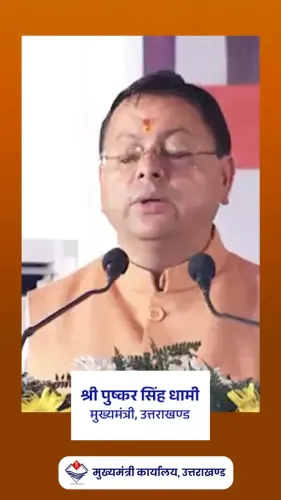
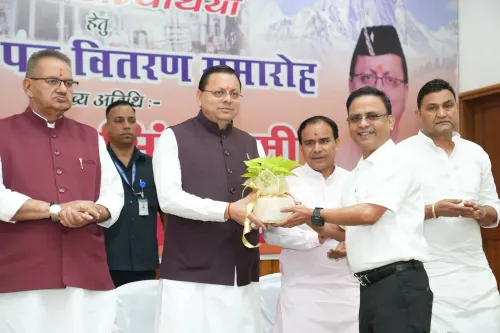
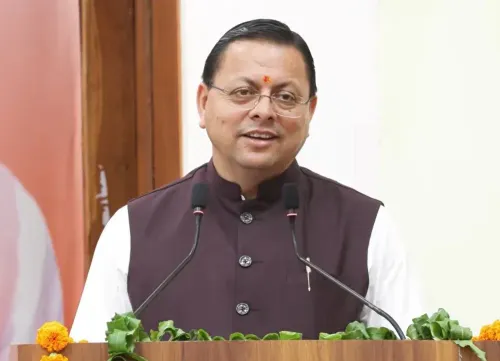
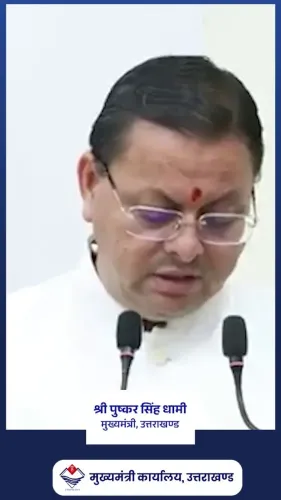
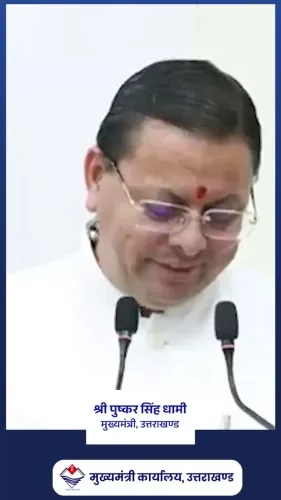
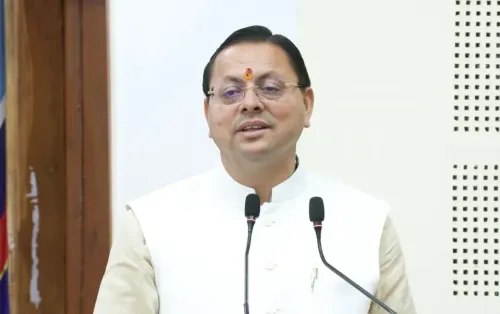
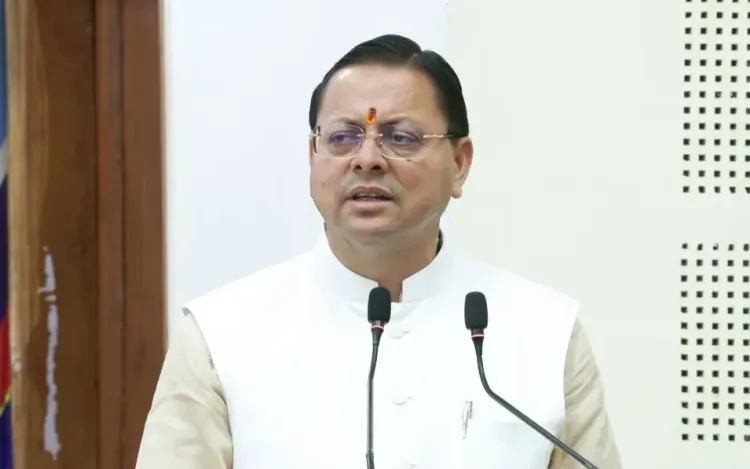
Chief Minister Pushkar Singh Dhami addressed newly selected Uttarakhand government recruits on June 1, 2026, urging them to prove that merit-based, honest hiring translates into real benefits for citizens at the farthest end of the social ladder.
Key Takeaways
CM Pushkar Singh Dhami addressed newly selected government candidates on June 1, 2026 via the official Chief Minister's Office account.
He urged recruits to be identified as responsible officers and employees committed to honest public service.
The core message: when capable and honest individuals enter the system, benefits must reach the last person in society .
Uttarakhand has emphasised transparent recruitment through UKPSC and UKSSSC since at least 2017 to reduce irregularities.
CM Dhami has made administrative reform and anti-corruption a defining theme since taking office in July 2021 .
Follow-up focus will be on performance-monitoring mechanisms for the new cohort and further recruitment announcements.
The Chief Minister's Office of Uttarakhand shared a statement by Chief Minister Pushkar Singh Dhami on Monday, June 1, 2026, addressing newly selected government candidates and urging them to demonstrate that merit-based recruitment leads to tangible benefits for citizens at the margins of society.
Context
Speaking to the newly selected candidates, CM Dhami said: 'Aap sabhi chayit umeedwaron ki pehchaan sarkar mein zimmedar adhikari evam karmchari ke roop mein hogi.' ['You, all selected candidates, will be identified as responsible officers and employees in the government.'] He added that they must demonstrate that when capable and honest individuals step forward in the system, the benefit reaches the person standing at the last end of society.
The address underlines the Uttarakhand government's continuing emphasis on integrity and accountability as foundational principles for public service. The remarks were directed at a fresh cohort of government recruits, signalling high expectations from the state administration.
Policy Backdrop
Uttarakhand has periodically stressed transparent recruitment through bodies such as the Uttarakhand Public Service Commission (UKPSC) and the Uttarakhand Subordinate Service Selection Commission (UKSSSC) to minimise irregularities, a focus that has been part of state policy since at least 2017. These efforts have been aimed at ensuring that the bureaucracy reflects merit rather than patronage.
Across BJP-governed states, merit-based hiring and a culture of honesty in administration have been repeatedly positioned as instruments for reducing leakages in welfare delivery. CM Dhami, who has been in office since July 2021, has made administrative reform and anti-corruption measures a signature theme of his tenure.
Stakeholders and Impact
The most immediate stakeholders are the newly recruited officials and employees who will carry out government functions at the ground level. Their conduct and efficiency will directly shape how welfare schemes and public services reach ordinary citizens, particularly in Uttarakhand's remote hill districts where last-mile delivery remains a persistent challenge.
For citizens — especially those in geographically isolated communities — the quality and honesty of frontline government staff determines whether entitlements such as pensions, rations, and health services arrive without friction or delay. CM Dhami's message frames each new recruit as personally responsible for this outcome.
What's Next
Attention will now turn to whether the Uttarakhand government rolls out formal performance-monitoring mechanisms for the new batch of recruits and whether further recruitment cycles or administrative accountability frameworks are announced in the coming months. The address sets a public benchmark against which the cohort's record in office can be measured.
If the state follows through with structured oversight, the initiative could reinforce Uttarakhand's positioning as a model for transparent, citizen-centric governance among hill states — with broader implications for how other state administrations approach the link between honest recruitment and effective public service delivery.
Point of View
Creating a reputational benchmark the administration can cite later. For a BJP-governed hill state that has faced scrutiny over recruitment irregularities in the past, the messaging serves a dual purpose: reassuring the public that the system is self-correcting and signalling to the bureaucracy that integrity is non-negotiable. The emphasis on 'last-mile' delivery also aligns Uttarakhand's state narrative with the national BJP theme of 'Antyodaya' — welfare reaching the most marginalised — lending the address ideological coherence beyond routine ceremony. Whether the rhetoric is matched by structural accountability tools will determine its lasting policy weight.
NationPress
16 Oct 2026
Frequently Asked Questions
What did CM Pushkar Singh Dhami say to new government recruits in Uttarakhand?
CM Dhami told newly selected candidates on June 1, 2026 that they must prove that when capable and honest people enter government service, the benefits reach the person standing at the last end of society.
Who are the newly selected candidates CM Dhami addressed?
The post refers to candidates recently selected for government positions in Uttarakhand, though the specific recruitment examination or batch has not been officially confirmed in public records.
What is Uttarakhand's approach to government recruitment?
Uttarakhand conducts recruitment through bodies like the UKPSC and UKSSSC, with a stated emphasis on transparent, merit-based hiring to reduce irregularities — a focus that has been part of state policy since 2017.
What is CM Dhami's governance focus in Uttarakhand?
Since taking office in July 2021, CM Pushkar Singh Dhami has emphasised administrative reform, anti-corruption measures, and ensuring welfare schemes reach citizens at the grassroots level.
What does 'last-mile delivery' mean in the context of Uttarakhand governance?
Last-mile delivery refers to ensuring government services and welfare benefits actually reach the most remote or marginalised citizens — a particular challenge in Uttarakhand's geographically isolated hill districts.