CM Dhami: Minority kids must master science, not lose heritage
Synopsis
Chief Minister Pushkar Singh Dhami has stated that Uttarakhand's minority education policy seeks to make every minority child proficient in science, mathematics, and modern technology without altering their religious or cultural identity — framing curriculum modernisation as a welfare, not an ideological, measure.
Key Takeaways
CM Pushkar Singh Dhami clarified on 1 July 2026 that the Uttarakhand government's minority education policy will not alter community identity.
The stated goal is to ensure every minority child masters science, mathematics, and modern technology alongside their religious heritage.
The approach mirrors madrasa modernisation programmes in Uttar Pradesh and other BJP-governed states active since 2017 .
The National Education Policy 2020 provides the national framework for integrating modern subjects with cultural and religious continuity.
Key stakeholders include minority students and madrasa administrators whose institutional cooperation is critical for implementation.
Enrollment data and learning outcomes from minority schools in Uttarakhand will be the benchmark for measuring policy success.
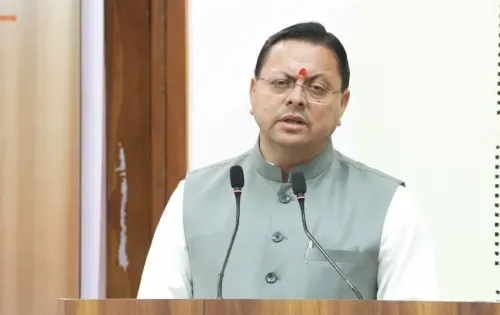
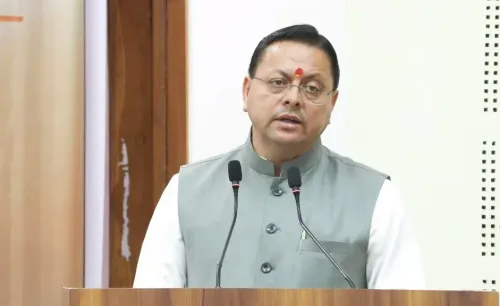
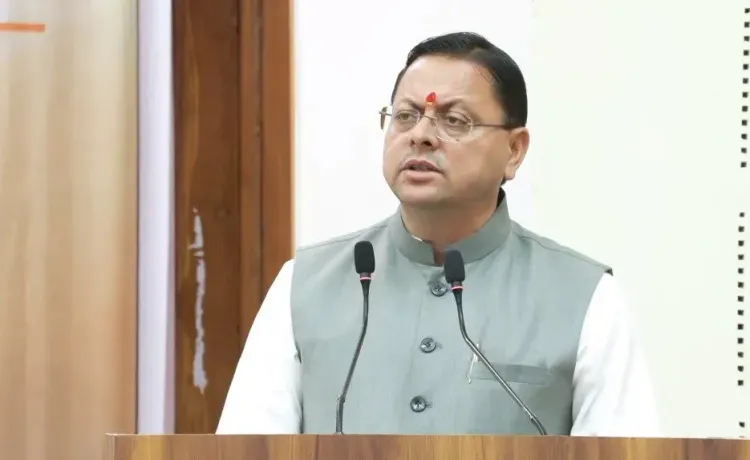
The Chief Minister's Office of Uttarakhand, on Wednesday, 1 July 2026, quoted Chief Minister Pushkar Singh Dhami affirming that the state government's policy on minority education aims to equip children with modern knowledge while preserving their religious and cultural identity.
Addressing the question of minority schooling, CM Dhami stated: 'हमारी सरकार की नीति और नीयत स्पष्ट है' ['Our government's policy and intent are clear']. He underlined that the administration's goal is not to alter the identity of any community but to build a better future for their children — ensuring every minority child remains connected to their religious heritage while becoming proficient in science, mathematics, and modern technology.
Context
The statement comes amid a sustained national conversation on reforming traditional religious institutions, particularly madrasas, to incorporate subjects aligned with contemporary employment and academic demands. Uttarakhand, a BJP-governed Himalayan state, has positioned itself within a broader political effort to frame curriculum modernisation as a welfare measure rather than an ideological intervention.
CM Dhami's remarks directly address a persistent concern among minority communities: that government-led education reforms could erode the religious character of institutions that have historically served as community anchors.
Policy Backdrop
The National Education Policy (NEP) 2020 explicitly encourages the integration of modern subjects — science, mathematics, vocational skills — with the preservation of cultural and linguistic heritage across all school types. State governments have used this framework to justify outreach to madrasa and minority school administrators.
Similar messaging has been articulated in Uttar Pradesh and other BJP-governed states since 2017, where madrasa modernisation programmes have linked government funding to the inclusion of NCERT-aligned curricula. Uttarakhand's approach follows the same political and policy template, though specific scheme details for the state remain under development.
Stakeholders and Impact
The primary beneficiaries, as framed by the Chief Minister, are minority students — children enrolled in madrasas and other community-run religious schools across Uttarakhand. Madrasa administrators represent a key institutional stakeholder whose cooperation is essential for any curriculum reform to take effect on the ground.
For minority families, the dual assurance — religious continuity alongside modern skill-building — is designed to lower resistance to state intervention in community education. Critics of such programmes have historically argued that implementation details and funding adequacy matter more than the stated intent.
What's Next
Attention will now turn to the state-level rollout of updated minority school curricula and the concrete mechanisms through which science and mathematics instruction will be introduced. Enrollment trends and learning outcome data from minority institutions in Uttarakhand will serve as the clearest measure of whether the policy intent translates into on-ground change.
The government's ability to bring madrasa administrators and community leaders into a consultative process will likely determine the pace and scale of implementation.
Point of View
The BJP government in Uttarakhand is deploying language that has become a standard template across its state governments since 2017. The framing shifts the debate from identity to opportunity, making it harder for community leaders to oppose reform on purely cultural grounds. Whether this rhetorical strategy translates into a substantive, adequately funded curriculum programme — or remains a statement of intent — will define its political and policy legacy.
NationPress
1 Jul 2026
Frequently Asked Questions
What did CM Pushkar Singh Dhami say about minority education in Uttarakhand?
CM Dhami stated that the Uttarakhand government's policy aims to make every minority child proficient in science, mathematics, and modern technology while keeping them connected to their religious and cultural heritage, and that the government has no intention of changing any community's identity.
Will Uttarakhand's minority education policy affect madrasas?
The policy is directed at minority educational institutions, including madrasas. The stated intent is to introduce modern subjects such as science and mathematics without replacing or diminishing religious instruction, following a model seen in other BJP-governed states.
How does the National Education Policy 2020 relate to madrasa reform?
The NEP 2020 encourages integrating modern academic subjects with cultural and religious heritage across all school types, providing a national policy framework that state governments have used to justify curriculum reforms in minority and madrasa schools.
Which other states have implemented similar minority education reforms?
Uttar Pradesh has been the most prominent example, with madrasa modernisation programmes linking government funding to NCERT-aligned curricula since 2017. Several other BJP-governed states have adopted comparable approaches.
What will determine the success of Uttarakhand's minority education policy?
Concrete outcomes — enrollment figures, learning outcome data, and the degree of cooperation from madrasa administrators and community leaders — will determine whether the policy intent results in measurable educational improvement for minority students.