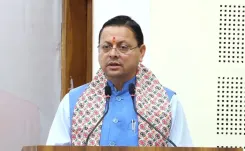
CM Dhami Offers Farmers Interest-Free Loans Up to ₹3 Lakh
Synopsis
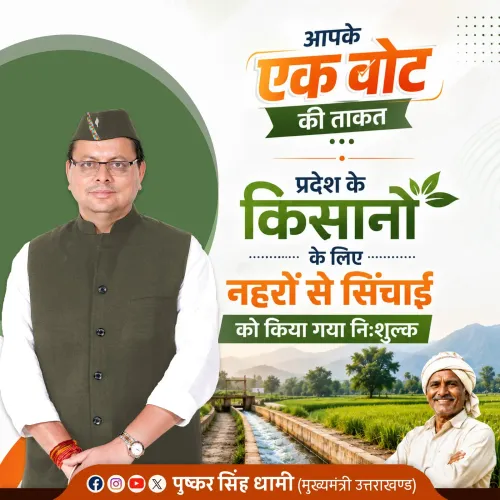
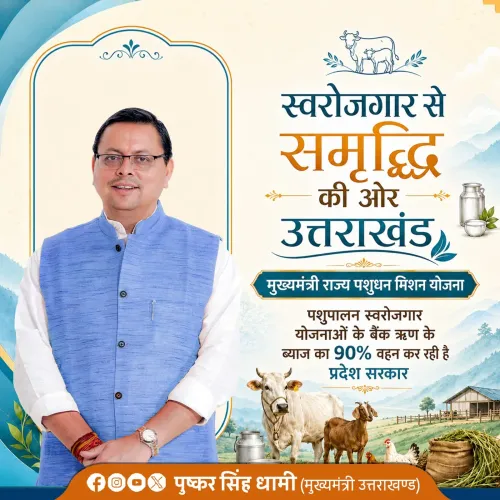
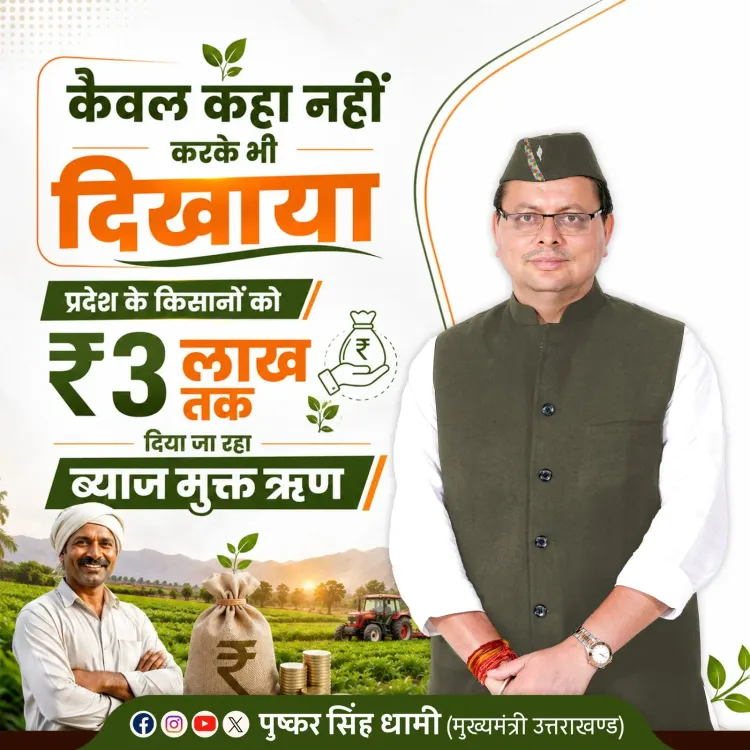
Uttarakhand Chief Minister Pushkar Singh Dhami announced interest-free loans of up to ₹3 lakh for farmers to cover seeds, fertilisers, and equipment, positioning the scheme as a pillar of rural economic self-reliance under the state's agricultural welfare agenda.
Key Takeaways
Uttarakhand CM Pushkar Singh Dhami announced interest-free loans of up to ₹3 lakh for farmers in the state.
The scheme is intended to help farmers purchase seeds, fertilisers, agricultural equipment , and other essential inputs.
The initiative is framed as a step toward increasing farmer income , achieving agricultural self-reliance, and strengthening the rural economy .
The move aligns with the national Atmanirbhar Bharat framework and follows the lineage of schemes like the Kisan Credit Card (1998) and PM-KISAN (2019).
Small and marginal farmers in Uttarakhand's hill districts are the primary beneficiaries, with the announcement timed ahead of the Kharif season.
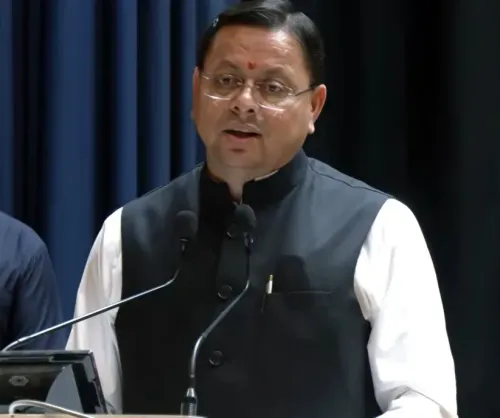
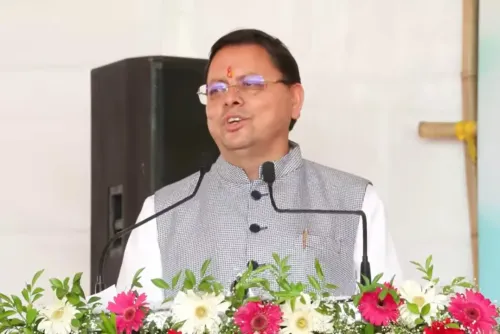
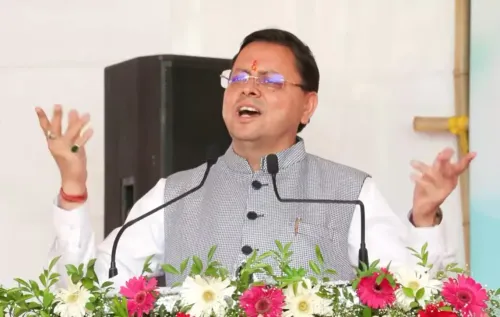
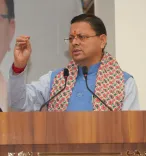
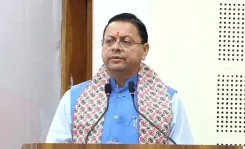
Uttarakhand Chief Minister Pushkar Singh Dhami announced on Saturday, 25 July 2026 that his government is providing interest-free loans of up to ₹3 lakh to farmers across the state, aimed at strengthening the agricultural economy and boosting rural incomes.
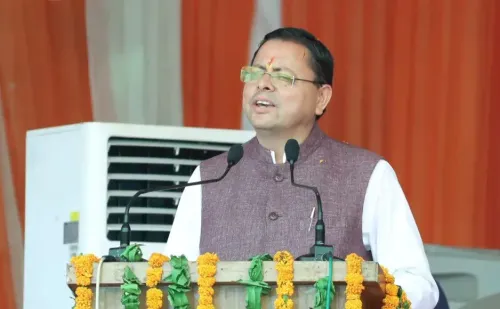
Posting on X, CM Dhami stated that the scheme is designed to empower the state's annadata (food providers) financially. In his words, the initiative is helping farmers 'procure seeds, fertilisers, agricultural equipment, and other essential resources,' and is 'a significant step towards increasing farmers' income, making agriculture self-reliant, and giving new strength to the rural economy.'
Context
Uttarakhand is a northern hill state where agriculture underpins the livelihoods of a large share of the rural population, predominantly small and marginal farmers. These cultivators often face acute credit constraints at the start of each sowing season, forcing many to rely on informal moneylenders at high interest rates. The state government's interest-free loan offer directly addresses this vulnerability.
The announcement comes as the Kharif sowing season is underway, making timely credit access especially critical for farmers needing to purchase inputs before the planting window closes.
Policy Backdrop
The scheme draws on a long lineage of agricultural credit reform in India. The Kisan Credit Card programme, launched nationally in 1998, pioneered structured, affordable credit for farmers. The PM-KISAN direct income-support scheme, introduced in 2019, further supplemented farm earnings in Uttarakhand and other states.
The current initiative aligns with the broader Atmanirbhar Bharat framework launched in 2020, which emphasised agricultural self-reliance through improved input access and credit support. Several BJP-governed states have introduced similar interest-free or interest-subvented crop loan schemes as part of a national pattern to reduce rural indebtedness and raise productivity.
Stakeholders and Impact
The primary beneficiaries are Uttarakhand's small and marginal farming households, who stand to gain affordable capital for seeds, fertilisers, and mechanised equipment without the burden of interest payments. Reduced input costs can translate directly into higher net incomes at harvest, narrowing the rural income gap.
Agricultural input suppliers and rural cooperative banks are also stakeholders, as increased formalised credit flow could stimulate demand for quality inputs and deepen financial inclusion in remote hill districts.
What's Next
Observers will watch the Uttarakhand agriculture department's reports on loan disbursal volumes and uptake rates through the current Kharif season. Any revision to the ₹3 lakh ceiling or supplementary budget allocations for the scheme could be tabled during the winter assembly session.
If uptake is strong, the government may expand the scheme's scope or integrate it more tightly with existing central programmes, potentially making Uttarakhand a model for interest-free agricultural credit in hill states across India.
Point of View
Timed strategically ahead of the Kharif season when farmer attention is highest. By framing the loan ceiling at ₹3 lakh — enough to cover meaningful input costs for a small hill farmer — the government targets a politically salient constituency without the fiscal exposure of a blanket debt waiver. The Atmanirbhar Bharat framing also allows the state to position itself as an active partner in the Centre's rural self-reliance agenda, reinforcing vertical alignment within the party. Whether the scheme produces measurable income gains will depend entirely on disbursal efficiency and farmer awareness, both of which remain to be tested.
NationPress
25 Jul 2026
Frequently Asked Questions
What is the Uttarakhand government's interest-free loan scheme for farmers?
The Uttarakhand government, under Chief Minister Pushkar Singh Dhami, is offering interest-free loans of up to ₹3 lakh to farmers to help them purchase seeds, fertilisers, agricultural equipment, and other essential inputs without the burden of interest payments.
Who is eligible for the ₹3 lakh interest-free farm loan in Uttarakhand?
The scheme targets farmers in Uttarakhand, with a focus on small and marginal cultivators who need affordable credit to finance agricultural inputs each season. Specific eligibility criteria have not been detailed in the announcement.
How does this scheme relate to central government farm programmes?
The scheme complements central initiatives such as the Kisan Credit Card programme (1998) and PM-KISAN direct income support (2019), and aligns with the Atmanirbhar Bharat framework launched in 2020 that emphasises agricultural self-reliance.
What is the purpose of providing interest-free loans to farmers in Uttarakhand?
The stated purpose is to increase farmers' incomes, make agriculture self-reliant, and strengthen the rural economy by ensuring timely access to affordable credit for essential farm inputs at the start of the sowing season.
Has CM Dhami announced the total budget or number of beneficiaries for this scheme?
CM Dhami's announcement did not specify the total outlay or the number of intended beneficiaries. Those details are expected to emerge through state agriculture department disclosures or assembly session budget documents.