CM Dhami Inaugurates Science Museum in Pauri Garhwal
Synopsis
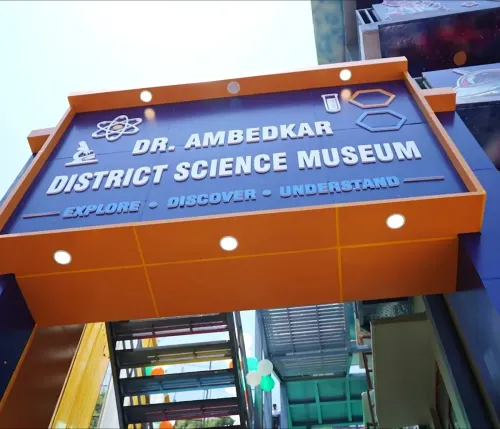
Uttarakhand Chief Minister Pushkar Singh Dhami inaugurated a Science Museum in Pauri Garhwal on June 15, 2026, and toured the Science City. Students presented innovative science and technology models, reflecting the state's push to expand STEM infrastructure in hill districts.
Key Takeaways
Pushkar Singh Dhami inaugurated the Science Museum in Pauri Garhwal on June 15, 2026 .
The Chief Minister also toured the adjoining Science City during the event.
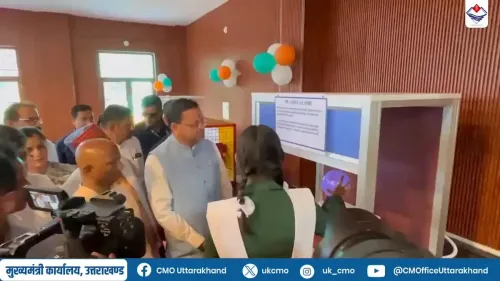
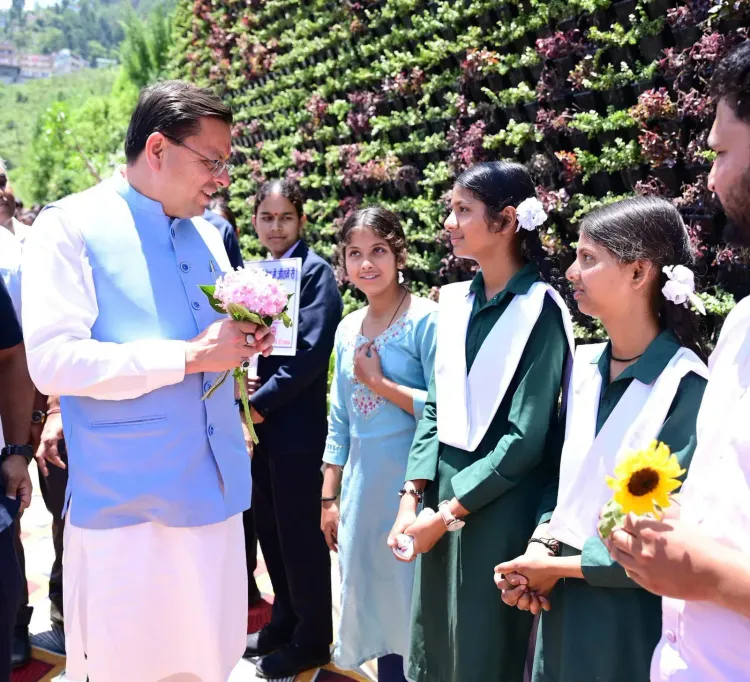
Students from the district demonstrated innovative models related to science and technology at the ceremony.
Dhami described the student presentations as evidence of their scientific thinking and creative capability.
The development aligns with a broader pattern of Indian states building district-level STEM infrastructure, particularly in hill regions.
The National Council of Science Museums , established in 1978 , underpins India's regional science museum network that such facilities draw from.
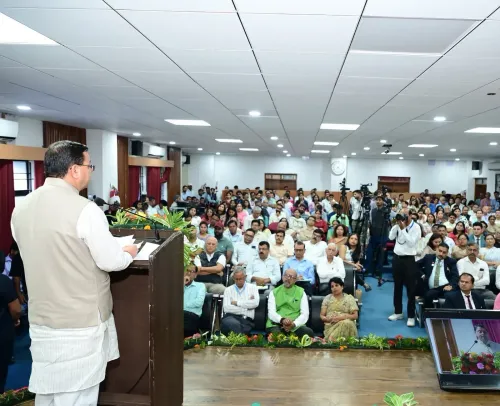
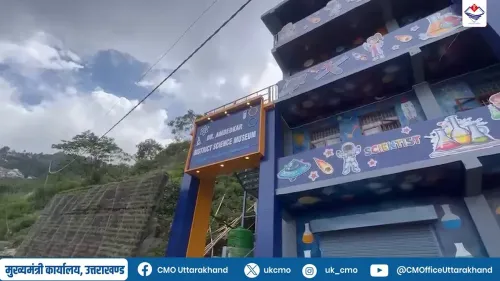
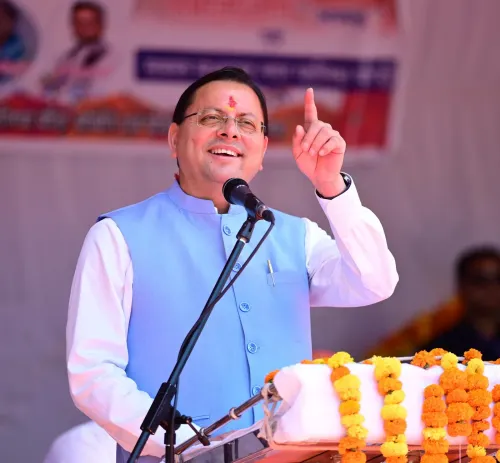
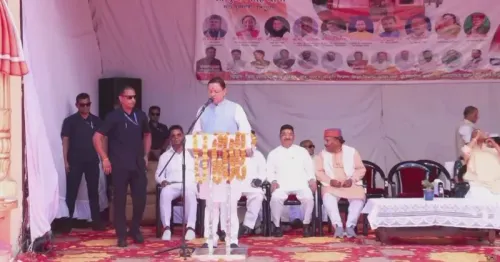
Uttarakhand Chief Minister Pushkar Singh Dhami on Monday, June 15, 2026, inaugurated a Science Museum in Pauri Garhwal and toured the adjoining Science City, where students showcased innovative models rooted in science and technology.
Context
Dhami shared the inauguration on X, writing in Hindi: 'पौड़ी गढ़वाल में साइंस म्यूजियम का उद्घाटन करने के साथ ही साइंस सिटी का अवलोकन किया' ('Inaugurated the Science Museum in Pauri Garhwal and also observed the Science City'). He noted that students presented various innovative models related to science and technology, calling it a reflection of their scientific thinking and creative ability.
The event brought together school children from the Pauri Garhwal district, who demonstrated hands-on models to the Chief Minister during the inauguration ceremony.
Policy Backdrop
India's network of regional science museums traces its institutional roots to the National Council of Science Museums, established in 1978, which has since supported the creation of science centres and museums across the country's districts and divisions.
Uttarakhand, formed as a separate hill state in 2000, has steadily pursued educational infrastructure development in its more remote districts. Science museums and innovation hubs at the district level have become a visible component of state-level STEM outreach, combining physical exhibits with student-led demonstration events.
Across Indian states, such facilities are designed to bridge the gap between classroom learning and applied scientific inquiry, particularly in regions where access to urban science institutions is limited.
Stakeholders and Impact
The primary beneficiaries are school students in Pauri Garhwal and the broader Garhwal division, who gain a dedicated space for science exploration and hands-on experimentation. District-level museums of this kind typically serve hundreds of schools across surrounding blocks and tehsils.
The student model presentations at the inauguration signal an intent to position the facility not merely as a passive exhibit space but as an active hub for youth innovation. Such demonstrations also give students direct exposure to policymakers, potentially encouraging continued engagement with STEM disciplines.
Local educators and the state education department stand to benefit from an institutional anchor for science-based curricula, field visits, and inter-school competitions in the hill district.
What's Next
The inauguration of the Pauri Garhwal Science Museum may prompt the state government to announce similar facilities in other Uttarakhand districts that currently lack dedicated science infrastructure. The state education department could link the new centre to existing schemes promoting STEM learning at the school level.
Whether the Science City component evolves into a larger, permanent hub with expanded exhibits and programming will depend on follow-up budget allocations and administrative support from Dehradun. The broader pattern across Indian hill states suggests that inaugural momentum often shapes the pace of subsequent investment in such facilities.
Point of View
Such events serve a dual purpose: delivering visible development milestones in electorally significant Garhwal constituencies while reinforcing a governance narrative centred on youth and education. The emphasis on student-led model demonstrations — rather than passive ribbon-cutting — suggests an effort to brand the facility as an active innovation hub, not merely a ceremonial project. Whether the Science City component receives sustained funding and programming will be the real test of the state's STEM commitment beyond inauguration optics.
NationPress
15 Sept 2026
Frequently Asked Questions
Where is the new Science Museum inaugurated by CM Dhami located?
The Science Museum is located in Pauri Garhwal district of Uttarakhand. CM Dhami inaugurated it on June 15, 2026, and also toured the adjoining Science City.
What happened at the Pauri Garhwal Science Museum inauguration?
Students from the district presented innovative models related to science and technology during the inauguration event. CM Dhami observed these demonstrations and praised the students' scientific thinking and creativity.
What is the Science City in Pauri Garhwal?
The Science City is a facility adjoining the newly inaugurated Science Museum in Pauri Garhwal. CM Dhami toured it during the June 15, 2026 inauguration event, though full details of its exhibits and scope are yet to be officially detailed.
Why is Uttarakhand building science museums in hill districts?
Uttarakhand has pursued educational infrastructure development in hill districts since its formation as a state in 2000. District-level science museums aim to improve STEM access for school students in areas far from urban science institutions.
Who oversees science museum development in India?
The National Council of Science Museums, established in 1978, is the nodal body supporting the creation of regional science centres and museums across India, including in states like Uttarakhand.