CM Dhami Orders Mission-Mode Prep for Haridwar Kanwar Mela 2026
Synopsis
Uttarakhand CM Pushkar Singh Dhami on 21 July 2026 chaired a Haridwar Kanwar Mela review meeting, directing officials to deploy AI, drones, and CCTV for 24x7 surveillance, ensure medical camps along pilgrimage routes, and keep all departments on monsoon alert — with strict accountability for any lapses.
Key Takeaways
CM Pushkar Singh Dhami chaired a review meeting on 21 July 2026 to assess Haridwar Kanwar Mela preparations.
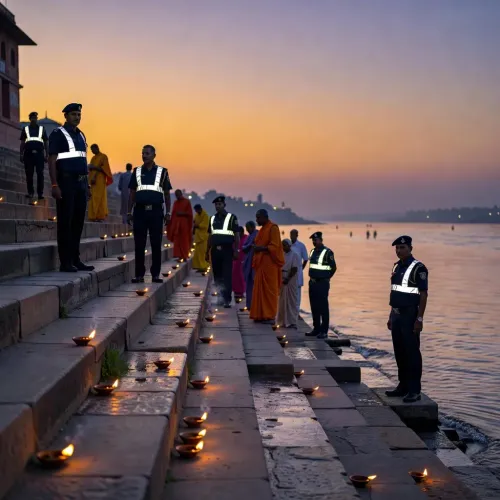
Officials were directed to ensure 24×7 surveillance using CCTV cameras , drones , and AI-based technology at ghats, bridges, and sensitive zones.
Adequate medical camps , ambulances, doctors, and medicines are to be deployed at key points along the Kanwar pilgrimage corridor.
All departments were put on monsoon alert mode , with extra arrangements ordered at railway stations and bus terminals .
The CM warned that negligence at any level will not be tolerated and accountability will be fixed for any shortfall.
Cabinet ministers Satpal Maharaj , Madan Kaushik , Ram Singh Kaira , and Pradeep Batra attended the meeting alongside MLA Adesh Chauhan .
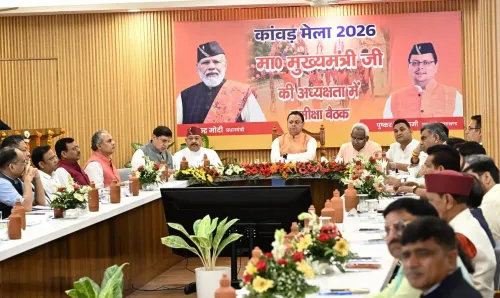
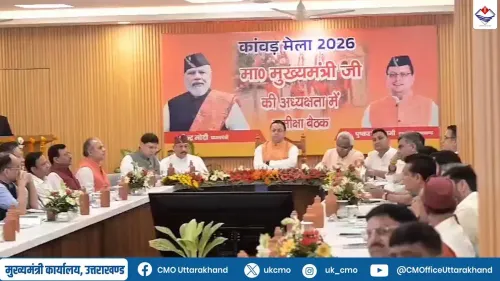
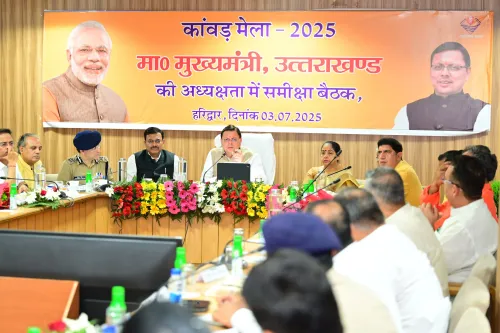
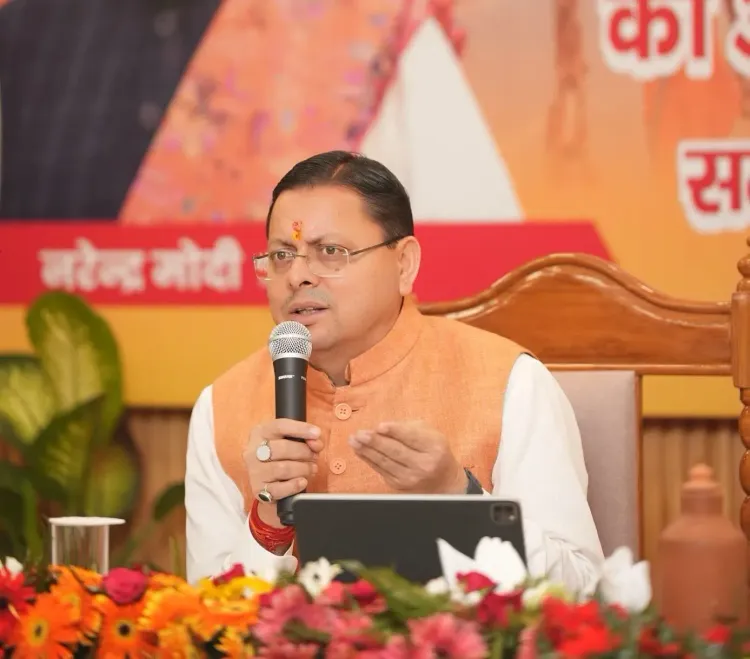
Uttarakhand Chief Minister Pushkar Singh Dhami on Tuesday, 21 July 2026 chaired a high-level review meeting in Haridwar to assess preparations for the annual Kanwar Mela, directing officials to treat pilgrim safety and convenience as the topmost priority and to operate in 'mission mode' ahead of the Shravan festival season.
Context
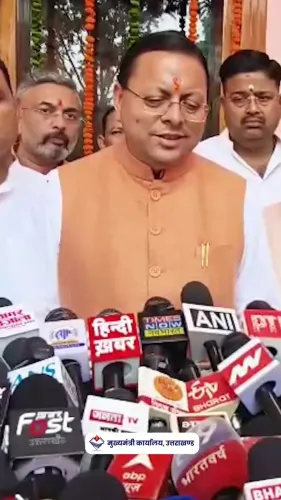
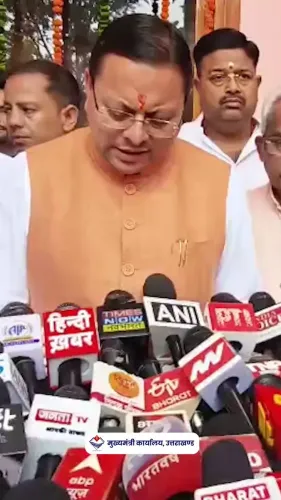
Addressing officials at the review meeting, CM Dhami issued a clear directive: 'व्यवस्थाओं में किसी भी स्तर पर लापरवाही या शिथिलता स्वीकार नहीं की जाएगी' ('Negligence or laxity at any level in the arrangements will not be tolerated'), adding that accountability would be fixed against any official found wanting. The meeting was attended by Cabinet Ministers Satpal Maharaj, Madan Kaushik, Ram Singh Kaira, and Pradeep Batra, along with MLA Adesh Chauhan and other elected representatives.
The Kanwar Mela is one of the largest annual Hindu pilgrimages in India, drawing millions of kanwariyas — devotees who carry sacred Ganga water from Haridwar to Shiva temples across northern India during the month of Shravan. The sheer scale of the gathering makes multi-agency coordination essential.
Policy Backdrop
The Uttarakhand government has conducted pre-festival preparedness reviews for the Kanwar Yatra annually since at least 2018, with a consistent emphasis on security deployment and medical infrastructure. This year's review adds a sharper technology dimension: officials were specifically directed to ensure 24×7 surveillance through CCTV cameras, drones, and AI-based technology at sensitive zones, riverine ghats, bridges, and key arterial routes.
State governments across India have increasingly integrated technology-enabled surveillance into crowd-management frameworks for large religious gatherings such as the Kanwar Yatra and the Kumbh Mela. The emphasis on AI and drone monitoring in 2026 reflects a broader national shift toward data-driven public-safety infrastructure at mass events.
Stakeholders and Impact
Millions of kanwariya pilgrims travelling through Haridwar stand to benefit directly from the ordered deployments. CM Dhami directed officials to ensure all basic amenities along Kanwar routes, camps, and rest stops, and to position medical camps, ambulances, doctors, and essential medicines at prominent locations along the pilgrimage corridor.
With the monsoon season coinciding with peak pilgrimage activity in the Himalayan region — a combination that has historically complicated crowd management and emergency response — the Chief Minister also ordered all departments to remain on alert mode. Additional arrangements proportionate to expected footfall were mandated at railway stations and bus terminals.
What's Next
Officials are now expected to operationalise the directives before the Shravan pilgrimage season peaks. The administration will be under scrutiny given the Chief Minister's explicit warning that accountability will be fixed for any shortfall. Post-mela review meetings and official deployment reports are likely to follow once the Shravan 2026 season concludes, and the AI-drone integration framework piloted here could inform the state's broader disaster-management planning going forward.
Point of View
Not merely a logistical exercise. The explicit invocation of AI and drone surveillance — alongside a stern accountability warning — is calibrated to project administrative seriousness after crowd-management failures at large gatherings elsewhere in India have attracted political criticism. Integrating monsoon preparedness into the same framework is a pragmatic acknowledgement that Himalayan geography compounds festival-season risks. If the 2026 Kanwar Mela passes without major incident, the government will likely cite the technology-enabled model as a template for future mass events including the Kumbh cycle.
NationPress
21 Jul 2026
Frequently Asked Questions
When is the Kanwar Mela 2026 in Haridwar?
The Kanwar Mela takes place annually during the Hindu month of Shravan, which in 2026 falls in July-August. The Uttarakhand government held its preparedness review on 21 July 2026 ahead of the peak pilgrimage period.
What security arrangements has CM Dhami ordered for Kanwar Mela 2026?
CM Pushkar Singh Dhami directed officials to deploy adequate security forces at sensitive zones, ghats, bridges, and key routes, and to ensure 24×7 surveillance through CCTV cameras , drones , and AI-based technology .
What medical facilities will be available for Kanwar Yatra pilgrims in Haridwar?
Officials have been directed to set up medical camps , position ambulances , deploy doctors, and ensure adequate medicines at prominent locations along the Kanwar pilgrimage corridor in Haridwar .
Why is monsoon preparedness part of the Kanwar Mela planning?
The Kanwar Mela coincides with the monsoon season in the Himalayan region, where heavy rainfall can disrupt crowd management and emergency response. CM Dhami ordered all departments to remain on alert mode and extra arrangements to be made at transport hubs.
Which ministers attended the Kanwar Mela review meeting chaired by CM Dhami?
Cabinet ministers Satpal Maharaj , Madan Kaushik , Ram Singh Kaira , and Pradeep Batra , along with MLA Adesh Chauhan and other elected representatives, attended the review meeting on 21 July 2026 .