CM Dhami Performs Govardhan Puja, Venerates Cow at Official Residence
Synopsis
Uttarakhand Chief Minister Pushkar Singh Dhami performed a ceremonial Govardhan Puja at his official Dehradun residence on November 10, 2026, venerating the cow with tilak and floral garlands, and called cow protection and environmental conservation a collective responsibility of all citizens.
Key Takeaways
CM Pushkar Singh Dhami performed Govardhan Puja at his official residence in Dehradun on November 10, 2026 .
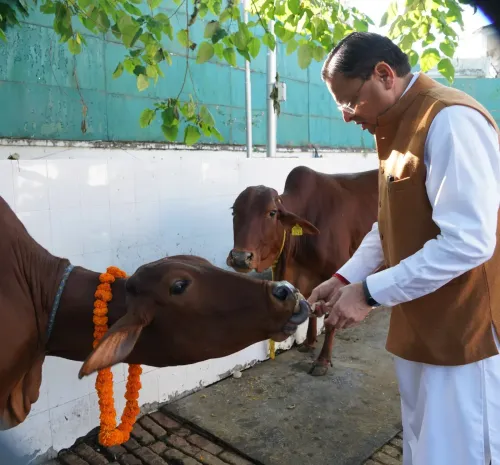
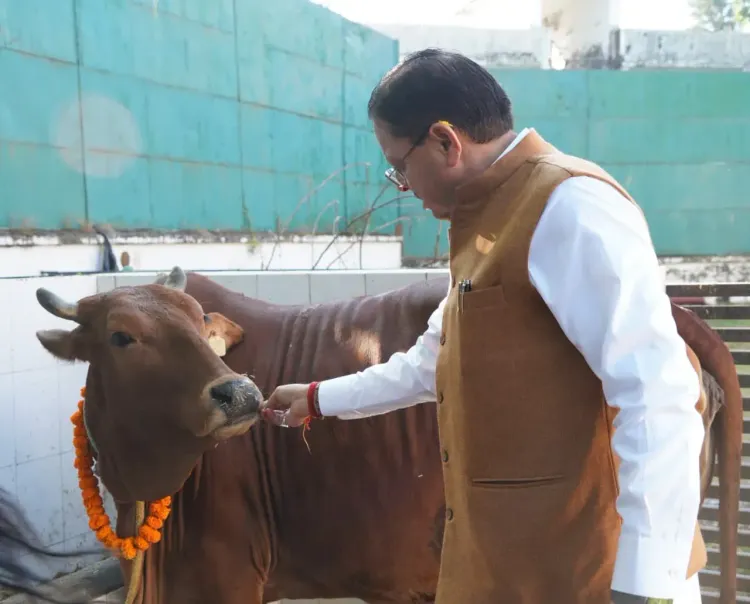
The Chief Minister applied a tilak and draped a floral garland on the cow ( Gau Mata ) following prescribed rituals.
Dhami described the festival as a symbol of faith and gratitude towards nature, livestock, and environmental conservation.
He called the protection of the environment and natural resources a 'collective responsibility of all,' alongside cow conservation.
Article 48 of the Indian Constitution directs states to prohibit cow slaughter and promote animal husbandry, underpinning such public gestures.
The winter session of the Uttarakhand assembly is a potential venue for any follow-up policy announcements on gaushala funding or livestock welfare.
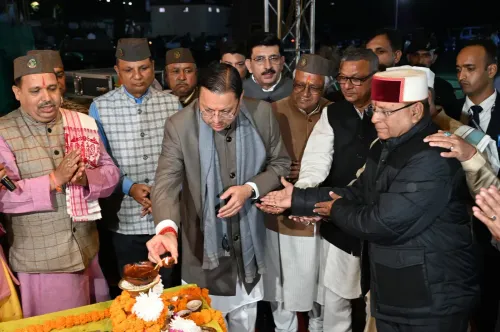
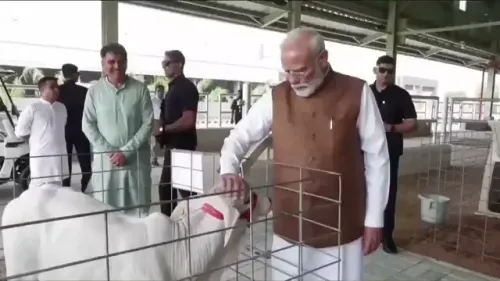
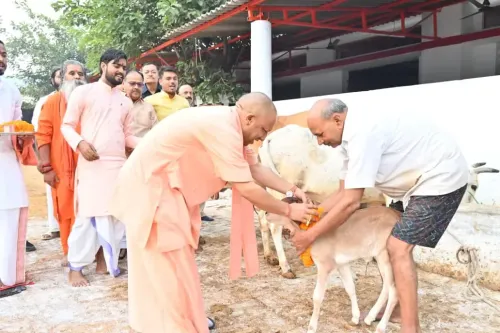
On the auspicious occasion of Govardhan Puja, Uttarakhand Chief Minister Pushkar Singh Dhami performed a full ceremonial worship of the cow — Gau Mata — at his official residence in Dehradun on Tuesday, November 10, 2026, applying a tilak on the animal's forehead, draping it with a garland of flowers, and offering prayers for the prosperity and happiness of the people of the state.
Extending Govardhan Puja wishes to the people of Uttarakhand, CM Dhami said the festival is 'a symbol of our faith and gratitude towards nature, livestock, and environmental conservation.' He emphasised that the cow holds a place of special reverence in Indian culture, and that cow protection and promotion have always been an inseparable part of the country's rich cultural heritage.
A Festival of Harmony — What CM Dhami Said
Going beyond the ritual, the Chief Minister used the occasion to deliver a broader message: 'Govardhan Puja ka parv hamen prakriti ke saath samanjasya banakar jeevan jeene tatha sabhi jeevon ke prati karuna evam samvedanshilata ka sandesh deta hai' — the festival teaches us to live in harmony with nature and to show compassion and sensitivity towards all living beings.
He added that the protection of the environment and natural resources, alongside cow conservation, is a 'collective responsibility of all of us.' The statement frames traditional religious observance as directly linked to contemporary concerns of ecological stewardship and animal welfare.
Govardhan Puja: The Day After Diwali That Honours Cattle and Earth
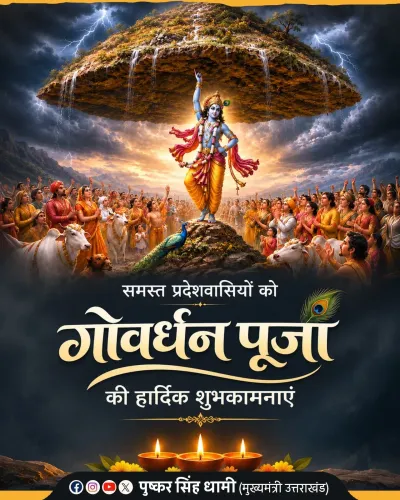
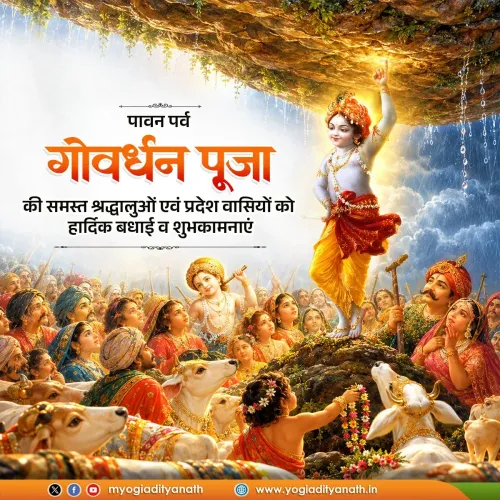
Govardhan Puja is observed annually on the day immediately following Diwali, rooted in the Hindu tradition of gratitude for agricultural abundance and the life-sustaining role of cattle. The festival commemorates the story of Lord Krishna lifting the Govardhan hill to protect villagers and their livestock from torrential rains — a narrative that has long been interpreted as a call to live in balance with nature rather than in fear of it.
In Uttarakhand, a Himalayan state whose identity is deeply entwined with religious pilgrimage and rural livelihoods, administrations have consistently used major festivals to signal cultural continuity while tying ancient traditions to present-day themes of conservation and livestock welfare. Article 48 of the Indian Constitution also directs states to prohibit cow slaughter and promote animal husbandry, giving legal grounding to such public gestures by state leadership.
BJP-Ruled States and the Festival-as-Policy Signal
CM Dhami, first elected in 2021 and re-elected in 2022, has made participation in Hindu festivals a consistent feature of his public engagements — a pattern seen across BJP-governed states, where religious observances are used to reinforce cultural priorities alongside routine governance messaging. The Govardhan Puja ceremony at the official residence is a highly visible ritual that doubles as a statement of values to the state's large rural and Hindu-majority electorate.
Observers of Uttarakhand politics will watch the upcoming winter session of the state assembly for any follow-up announcements on gaushala (cow shelter) funding or updates to livestock policy that might translate today's ceremonial message into concrete legislation.
Rituals that have endured for centuries now carry fresh political weight — and in Uttarakhand, the tilak on a cow's forehead is never just a tilak.
Point of View
Cow protection and ecological conservation. By framing a traditional festival as a call to collective environmental responsibility, the Chief Minister bridges religious sentiment and governance language in a way that resonates with both rural communities and urban voters attuned to environmental discourse. This approach also mirrors the constitutional directive under Article 48, lending institutional legitimacy to what might otherwise appear purely ceremonial. Whether the messaging translates into concrete gaushala funding or livestock welfare legislation in the upcoming assembly session will determine whether this is ritual or roadmap.
NationPress
10 Nov 2026
Frequently Asked Questions
What is Govardhan Puja and when is it celebrated?
Govardhan Puja is an annual Hindu festival celebrated the day after Diwali. It honours Lord Krishna's act of lifting the Govardhan hill to protect villagers and their cattle, and is a day of gratitude for nature, livestock, and agricultural abundance.
Why did Uttarakhand CM Dhami perform Govardhan Puja at his official residence?
CM Pushkar Singh Dhami performed the puja to mark the festival and also to publicly signal his government's commitment to cow protection, environmental conservation, and the continuation of Hindu cultural traditions in Uttarakhand.
What did CM Dhami say about cow protection on Govardhan Puja 2026?
CM Dhami said that the protection and promotion of cows is an inseparable part of India's rich cultural heritage, and that cow conservation along with protection of the environment and natural resources is a collective responsibility of all citizens.
What does the Indian Constitution say about cow protection?
Article 48 of the Indian Constitution directs states to prohibit the slaughter of cows and promote animal husbandry, providing a legal and constitutional basis for cow protection policies pursued by state governments.
Will Uttarakhand announce new cow protection schemes after Govardhan Puja?
No specific new scheme has been announced yet. Observers will watch the upcoming winter session of the Uttarakhand assembly for potential policy announcements on gaushala funding or livestock welfare that may follow from the CM's Govardhan Puja message.