CM Dhami Pitches Uttarakhand Science City as Youth Innovation Hub
Synopsis
Uttarakhand Chief Minister Pushkar Singh Dhami has described the proposed Science City as a transformative hub for scientific thinking, innovation, and youth technology access — positioning it as a cornerstone of the state's knowledge-economy ambitions rather than a routine infrastructure build.
Key Takeaways
CM Pushkar Singh Dhami announced on 13 July 2026 that the proposed Science City will be a centre for scientific thinking, innovation, and technological excellence in Uttarakhand .
The project is framed explicitly as more than an infrastructure build — its stated purpose is fostering scientific curiosity and research among students and youth .
The announcement aligns with India's National Education Policy 2020 , which mandated integration of scientific temper and technology exposure in education.
Specific details — including location, cost, timeline , and institutional partnerships — have not yet been disclosed publicly.
Uttarakhand joins a broader national trend of Indian states investing in dedicated science and technology hubs to improve STEM access beyond major cities.
Uttarakhand Chief Minister Pushkar Singh Dhami on Monday, 13 July 2026, described the proposed Science City as far more than a construction project, calling it a transformative centre that will channel scientific thinking, innovation, and technological excellence across the state.
Posting on X, CM Dhami said in Hindi: 'साइंस सिटी केवल एक अवसंरचना परियोजना नहीं, बल्कि उत्तराखण्ड में वैज्ञानिक सोच, नवाचार और तकनीकी उत्कृष्टता को नई दिशा देने वाला सशक्त केंद्र बनेगी।' ['Science City will not merely be an infrastructure project, but a powerful centre that gives new direction to scientific thinking, innovation, and technological excellence in Uttarakhand.'] He added that the facility would play a key role in 'developing curiosity about science among students and youth, encouraging research, and connecting them with modern technologies.'
Context
Uttarakhand is a Himalayan state that has historically lagged behind larger plains states in science and technology infrastructure. CM Dhami, who has led the state since 2021, has framed education and youth employment as twin pillars of his government's development agenda. The Science City announcement fits within that broader narrative of positioning Uttarakhand as a knowledge-economy destination.
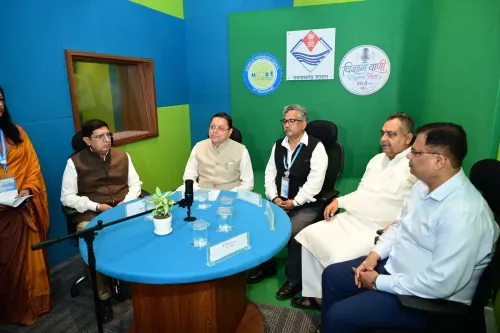
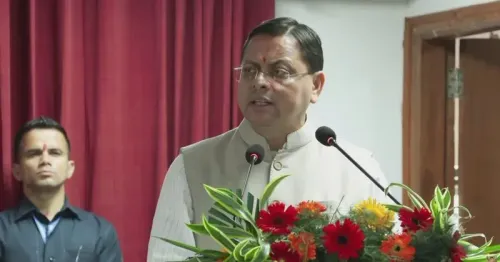
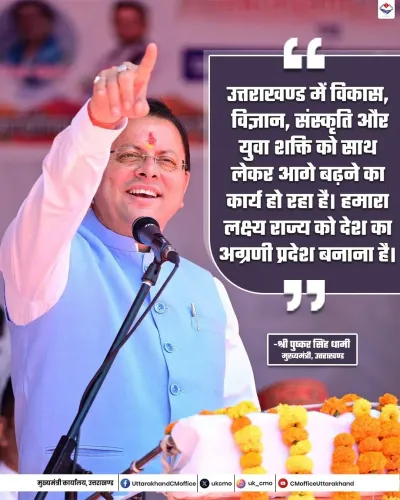
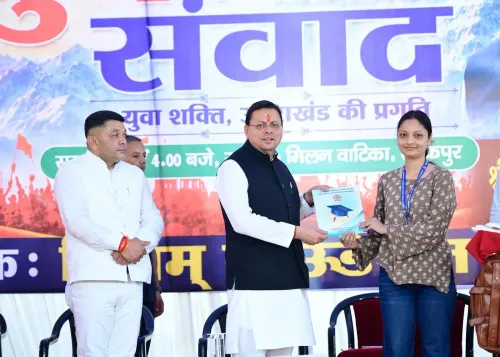
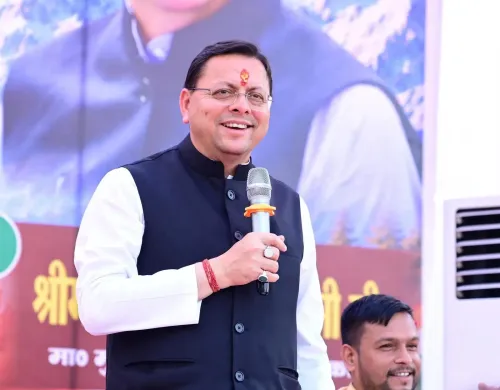
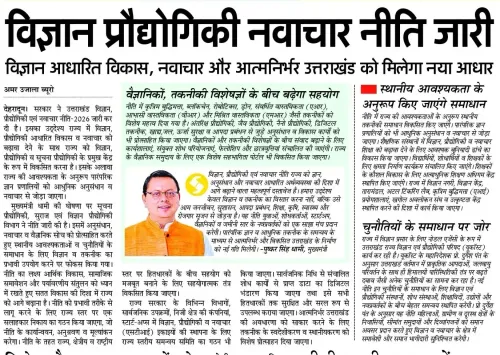
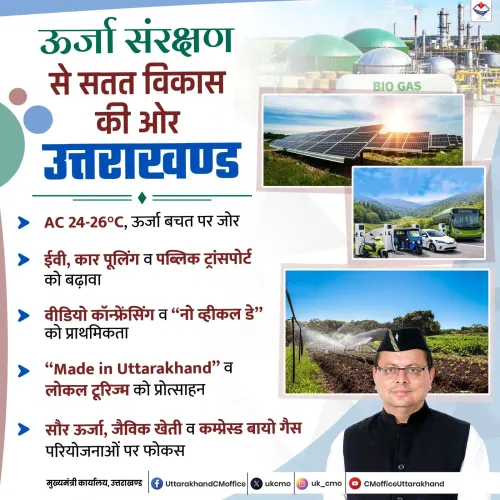
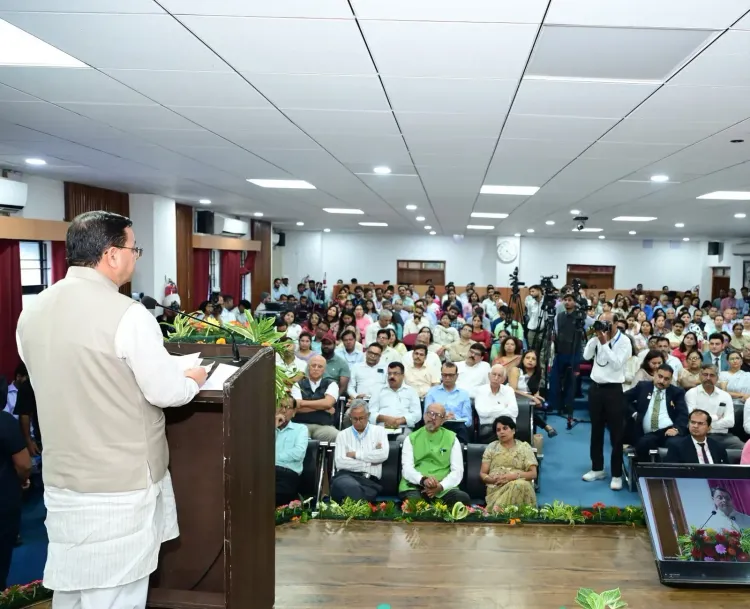
The post was accompanied by four images, suggesting a formal event or presentation related to the project, though specific site or inauguration details remain unconfirmed.
Policy Backdrop
India's National Education Policy 2020 explicitly stressed the integration of scientific temper, innovation, and technology exposure into school and higher-education curricula — providing a national policy anchor for state-level science infrastructure projects. Uttarakhand's Science City concept aligns with that framework by aiming to bridge the gap between classroom learning and applied research.
Several Indian states have established dedicated science and technology hubs in recent years to complement national research and development goals and to improve STEM access beyond metropolitan centres. A Science City in Uttarakhand would extend that model into the Himalayan hill-state context, where geographic constraints have historically limited such facilities.
Stakeholders and Impact
The primary beneficiaries identified by CM Dhami are students and youth, who he said would gain exposure to modern technologies and be encouraged toward research careers. The broader research community — including faculty at state universities and institutions affiliated with national scientific agencies — stands to benefit from a dedicated innovation ecosystem.
If operationalised with linkages to national bodies, the facility could attract collaborative programmes, fellowships, and funding that currently bypass smaller states. Local communities near the eventual site would also see ancillary economic activity tied to the project.
What's Next
Key details including the project's funding structure, precise location, construction timeline, and any formal memoranda with national scientific institutions or universities are yet to be made public. Observers will watch for whether the state government tables a budgetary allocation or signs institutional partnerships that move the Science City from vision to ground-level execution.
The announcement signals that Uttarakhand intends to compete for a share of India's growing science and innovation economy — but the project's credibility will ultimately rest on the specifics that follow this initial declaration of intent.
Point of View
Particularly ahead of electoral cycles. The alignment with NEP 2020 gives the project a ready-made national policy pedigree, lending it credibility even before ground is broken. However, the absence of any financial or locational specifics means the announcement remains aspirational until hard commitments follow.
NationPress
13 Jul 2026
Frequently Asked Questions
What is the Uttarakhand Science City project?
The Uttarakhand Science City is a proposed state government project announced by Chief Minister Pushkar Singh Dhami, intended to serve as a hub for scientific education, innovation, research promotion, and technology access for students and youth — going beyond conventional infrastructure to build an innovation ecosystem.
Where will the Science City in Uttarakhand be located?
A specific location for the Uttarakhand Science City has not been officially confirmed as of the announcement on 13 July 2026. Site finalisation is among the key details still awaited.
What is the cost and timeline of the Uttarakhand Science City?
The project's budget, funding sources, and construction timeline have not been publicly disclosed. These details are expected to emerge as the government moves toward formal project approval and budgetary allocation.
How does the Science City relate to India's National Education Policy?
India's National Education Policy 2020 emphasised scientific temper, innovation, and technology integration in education. The Uttarakhand Science City is positioned to operationalise those goals at the state level by providing a dedicated facility for research and hands-on technology exposure.
Who will benefit from the Uttarakhand Science City?
CM Dhami specifically identified students and youth as the primary beneficiaries, along with the broader research community. If national scientific institutions and universities form partnerships with the facility, the benefits could extend to researchers and educators across the state.