CM Saini Chairs Arjun SPV Meet, Pushes Clean Air Plan
Synopsis
Haryana CM Nayab Singh Saini chaired the second Arjun SPV board meeting in Chandigarh on 13 July 2026, reviewing the 2026-27 clean air action plan and ordering faster rollout of EV charging stations, a scrap vehicle portal and AI-based pollution monitoring across the state.
Key Takeaways
CM Nayab Singh Saini chaired the second board meeting of Arjun SPV in Chandigarh on 13 July 2026 .
Officials were directed to implement the HCAPSD 2026-27 annual action plan with time-bound targets across all projects.
A dedicated online portal for scrap vehicle registration and scientific disposal is to be developed.
Rollout of electric vehicle charging stations across Haryana is to be accelerated.
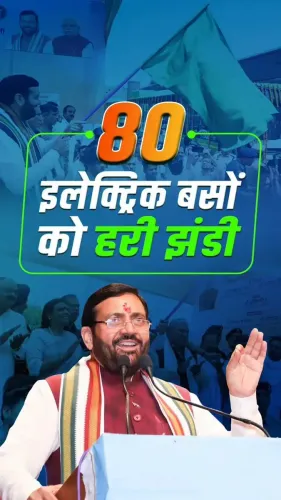
Firm deadlines were set for electric bus services , AI-based air quality monitoring and stubble management programmes.
The initiatives align with the central National Clean Air Programme (2019) and Haryana's EV Policy (2022) .
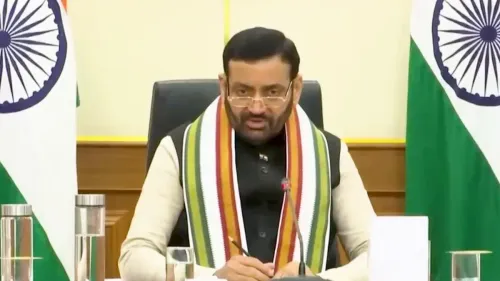
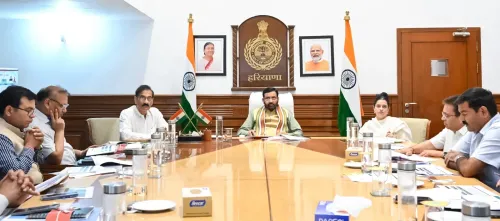
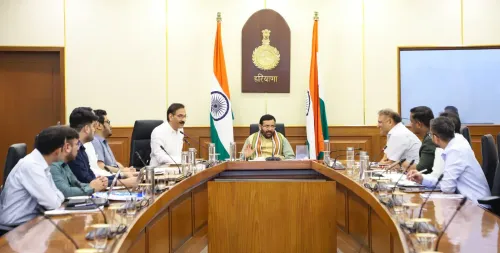
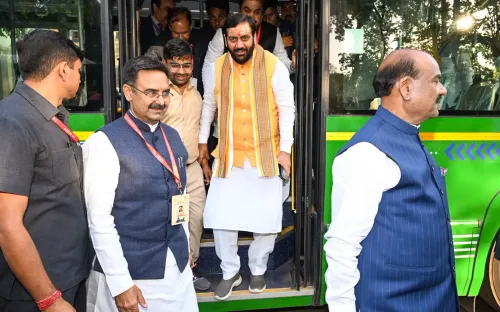
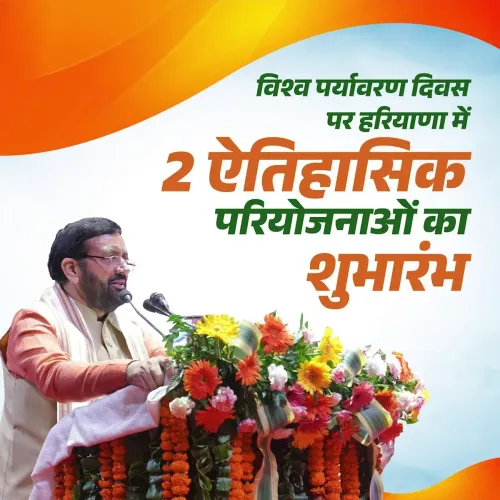
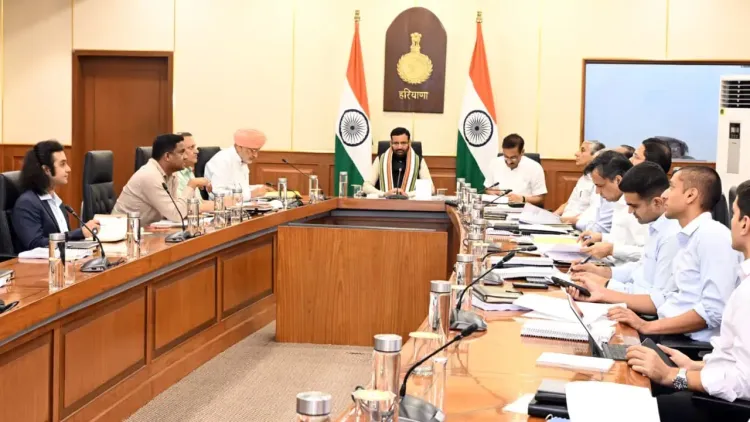
Haryana Chief Minister Nayab Singh Saini on Monday, 13 July 2026, chaired the second board meeting of Arjun SPV (AI for Resilient Jobs, Urban Air Quality and Next Generation Skills) in Chandigarh, directing officials to accelerate clean air, green transport and sustainable development initiatives under the state's annual action plan for 2026-27.
Context
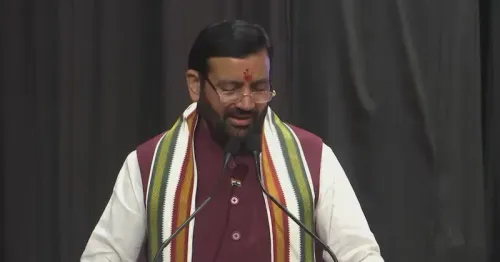
At the meeting, CM Saini reviewed the annual work plan under the Haryana Clean Air Project for Sustainable Development (HCAPSD) and issued directions for the effective use of modern technologies to promote clean air and green mobility. He called on officials to ensure time-bound execution of every project, stating — 'Hamara sankalp hai ki pratyek pariyojana ka samayabaddh kriyanvayan sunishchit karte hue swachh, harit aur bhavishy ke liye taiyar Haryana ka nirman kiya jae' — ('Our resolve is to build a clean, green and future-ready Haryana by ensuring time-bound implementation of every project.')
The meeting covered a range of operational directives spanning vehicle scrapping, electric vehicle infrastructure, air quality monitoring and stubble management — areas that have been central to Haryana's environmental agenda in recent years.
Policy Backdrop
The Arjun SPV and HCAPSD sit within a broader national framework: the National Clean Air Programme, launched in 2019, set city-specific targets to reduce PM2.5 and PM10 particulate levels across 131 Indian cities, including several in Haryana. The Commission for Air Quality Management, established in 2020, further coordinates stubble burning and pollution control across the NCR region, of which Haryana is a key contributor.
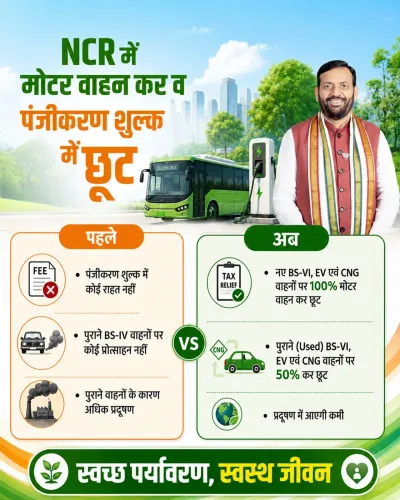
Haryana's own Electric Vehicle Policy (2022) laid the groundwork for expanding charging networks and incentivising green transport, complementing central programmes such as the FAME scheme (Faster Adoption and Manufacturing of Electric Vehicles). BS-VI emission norms, implemented nationwide from 2020, have also shaped the state's approach to vehicular pollution.
Stakeholders and Impact
CM Saini directed officials to develop a dedicated online portal for the registration and scientific disposal of scrap vehicles — a step aimed at formalising the vehicle end-of-life process and reducing polluting older vehicles from state roads. He also ordered faster rollout of electric vehicle charging stations across the state and set firm timelines for electric bus services, AI-based air quality monitoring systems and stubble management programmes.
Urban residents in cities such as Gurugram, Faridabad and Hisar — which regularly record poor air quality indices during winter months — stand to benefit most from these measures. Transport operators and farmers engaged in paddy cultivation, whose stubble burning has historically spiked pollution in the Indo-Gangetic plain, are also key stakeholders in the programme's success.
What's Next
The immediate milestones to watch include the launch of the dedicated scrap vehicle portal, the pace of EV charging station installations and the commissioning of AI-based monitoring infrastructure under the 2026-27 HCAPSD plan. Any state budget allocations or procurement tenders related to electric bus fleet expansion will serve as early indicators of follow-through on the directives issued at this board meeting.
With the Delhi-NCR pollution season typically intensifying from October onwards, the pace of implementation over the next three to four months will be a critical test of whether Haryana's clean air commitments translate into measurable improvements in air quality before the onset of winter.
Point of View
Not merely a policy aspiration. The emphasis on fixed timelines and a dedicated scrap vehicle portal reflects a shift toward accountability-driven implementation, a response to persistent criticism that northern states announce clean air plans but lag on execution. Linking AI-based monitoring with EV expansion and stubble management under a single special purpose vehicle also suggests an attempt to consolidate what have historically been fragmented departmental efforts. If the 2026-27 milestones are met before the winter pollution season, Haryana could position itself as a model for technology-led air quality governance in the Indo-Gangetic plain.
NationPress
13 Jul 2026
Frequently Asked Questions
What is Arjun SPV in Haryana?
Arjun SPV stands for 'AI for Resilient Jobs, Urban Air Quality and Next Generation Skills,' a special purpose vehicle set up by the Haryana government to coordinate clean air, green transport and skills initiatives in the state.
What is the Haryana Clean Air Project for Sustainable Development (HCAPSD)?
HCAPSD is a Haryana state programme focused on improving urban air quality through measures including EV adoption, stubble management, AI-based monitoring and green transport, operating under annual action plans reviewed by the Arjun SPV board.
What did CM Nayab Saini announce at the Arjun SPV meeting on 13 July 2026?
CM Saini directed officials to develop a dedicated portal for scrap vehicle registration and disposal, accelerate EV charging station rollout, and complete electric bus services, air quality management and AI monitoring projects within set timelines.
How does Haryana's clean air plan connect to central government schemes?
Haryana's HCAPSD and Arjun SPV align with the central National Clean Air Programme launched in 2019, the FAME scheme for EV promotion, and the Commission for Air Quality Management that coordinates pollution control across the NCR region.
Why is Haryana's air quality a concern?
Haryana contributes significantly to Delhi-NCR pollution through vehicular emissions, industrial activity and seasonal stubble burning by farmers, with cities like Gurugram and Faridabad regularly recording poor air quality, particularly during winter months.