CM Saini Flags Off 90 E-Buses for Panipat
Synopsis
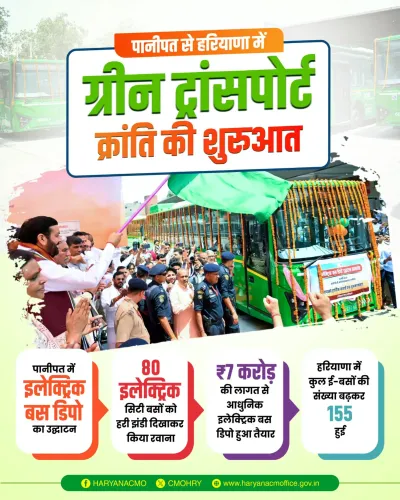
Haryana Chief Minister Nayab Singh Saini flagged off 90 electric buses for Panipat on 28 May 2026, advancing the state's clean-transport agenda under central EV schemes and Haryana's own 2022 EV policy.
Key Takeaways
90 electric buses were flagged off for Panipat by CM Nayab Singh Saini on 28 May 2026 .
The rollout aligns with the central government's PM-eBus Sewa scheme , which targets 10,000 e-buses across Indian cities.
Haryana's EV Policy (2022) provides state-level subsidies complementing central FAME-II funding.
Panipat is an industrial city with high commuter demand from textile and manufacturing workers.
India's national EV target stands at 30 percent penetration in new vehicle sales by 2030 and net-zero by 2070 .
The flag-off was broadcast live, reflecting the government's emphasis on visible infrastructure delivery.
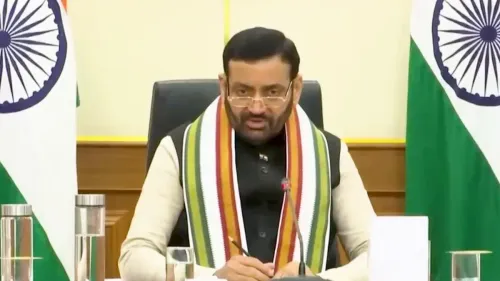
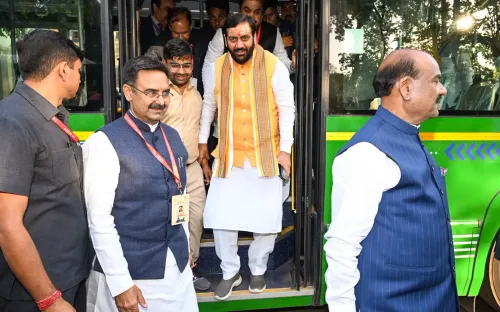
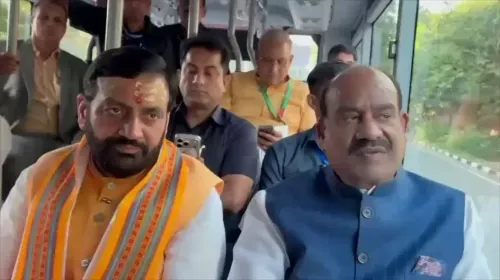
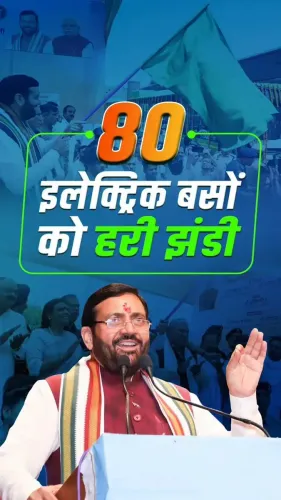
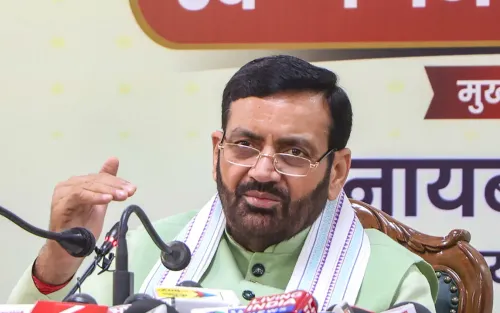
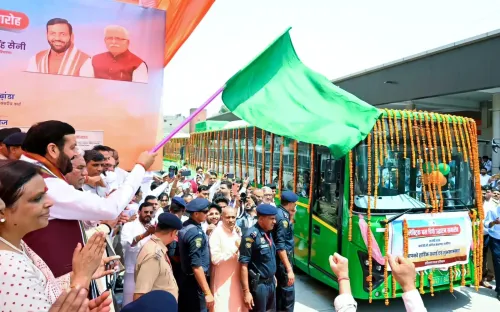
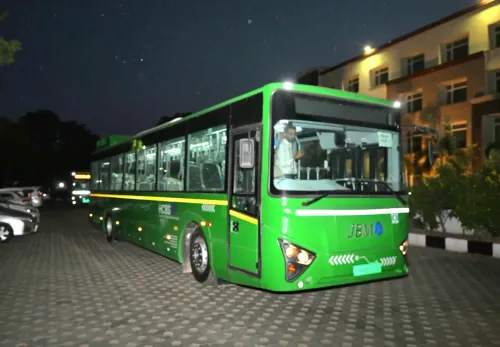
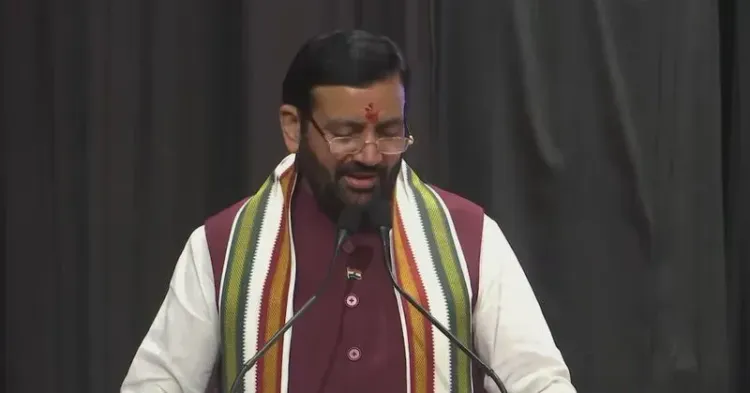
Haryana Chief Minister Nayab Singh Saini on Thursday, 28 May 2026, flagged off 90 electric buses for Panipat, marking a significant expansion of clean public transport in one of the state's key industrial cities.
Context
Panipat, long recognised as a hub for textiles and manufacturing in Haryana, has seen rising urban mobility demand as its population and industrial workforce have grown. The induction of 90 e-buses directly addresses the city's public transport gap while reducing dependence on fossil-fuel-powered vehicles. Chief Minister Saini broadcast the flag-off live on social media, signalling the government's intent to highlight the rollout as a visible governance milestone.
Policy Backdrop
The deployment sits within a layered policy framework stretching back over a decade. The central government's FAME India scheme (launched 2015) and its successor FAME-II (expanded 2019) built the financial scaffolding for electric bus procurement across Indian cities, covering both vehicle costs and charging infrastructure. The PM-eBus Sewa scheme, launched in 2023, further scaled ambitions by targeting 10,000 electric buses across urban centres nationwide, with tier-2 cities like Panipat increasingly brought into the fold after initial metro-focused rollouts.
At the state level, Haryana's Electric Vehicle Policy, notified in 2022, provides subsidies and incentives to accelerate EV deployment across vehicle categories. The 90-bus induction in Panipat reflects the phased execution of these overlapping central and state commitments. India's broader national targets — 30 percent EV penetration in new vehicle sales by 2030 and net-zero emissions by 2070 — give the rollout a long-term strategic context.
Stakeholders and Impact
The primary beneficiaries are Panipat's daily urban commuters, including workers travelling to the city's textile mills, refineries, and manufacturing units. Haryana Roadways, which operates the state's public bus network, stands to modernise a portion of its fleet, potentially lowering per-kilometre fuel costs over the operational lifecycle of the buses. Reduced tailpipe emissions will also benefit air quality in a city that, like much of the Indo-Gangetic Plain, faces seasonal pollution stress.
For the BJP-led state government under CM Saini — who took office in March 2024 succeeding Manohar Lal Khattar — visible infrastructure deliveries in cities like Panipat carry political weight ahead of future electoral cycles. The live broadcast of the flag-off underscores the administration's effort to project proactive governance.
What's Next
Attention will now turn to the pace of further e-bus inductions across other Haryana cities and whether the state meets its targets under the PM-eBus Sewa framework. Any progress on a potential FAME-III funding round at the central level could unlock additional resources for fleet expansion. The operational performance of the Panipat fleet — charging infrastructure reliability, ridership uptake, and route coverage — will be the real test of whether the policy promise translates into daily commuter benefit.
Point of View
Photographable governance moments in tier-2 cities. For CM Saini, who has governed Haryana for just over a year, infrastructure deliveries serve a dual purpose — substantive policy execution and political brand-building. The live social-media broadcast amplifies reach beyond the event itself, targeting urban voters who increasingly equate governance quality with modern public services. The deeper test, however, will be whether charging infrastructure and route planning keep the fleet operationally effective over time.
NationPress
11 Oct 2026
Frequently Asked Questions
How many electric buses were flagged off in Panipat by CM Saini?
90 electric buses were flagged off for Panipat by Haryana Chief Minister Nayab Singh Saini on 28 May 2026 .
What is the PM-eBus Sewa scheme?
PM-eBus Sewa is a central government scheme launched in 2023 to deploy 10,000 electric buses across Indian cities to improve urban public transport and reduce fossil fuel dependence.
What is Haryana's electric vehicle policy?
Haryana's Electric Vehicle Policy , notified in 2022 , offers subsidies and incentives for EV deployment across the state, complementing central schemes like FAME-II and PM-eBus Sewa .
Who is Nayab Singh Saini?
Nayab Singh Saini is a BJP leader who became Chief Minister of Haryana in March 2024 , succeeding Manohar Lal Khattar .
Why is Panipat getting electric buses?
Panipat is a major industrial city in Haryana with significant commuter demand; the e-bus induction aims to modernise public transport, cut air pollution, and reduce fossil fuel use under state and central EV schemes.