CM Dhami Plants Trees at Harela Festival in Almora
Synopsis
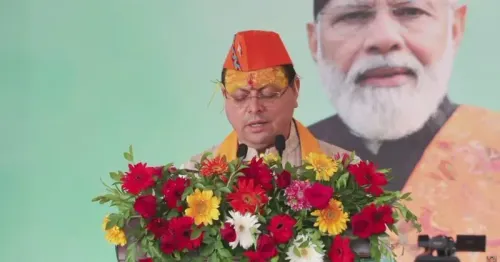
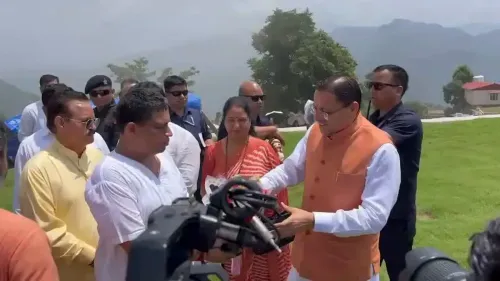
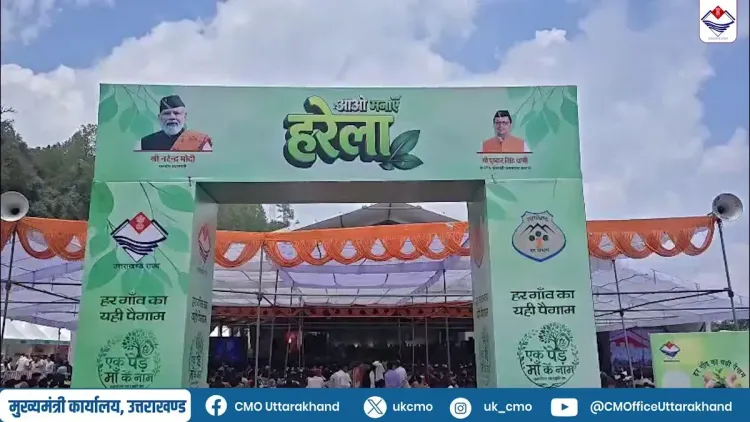
Chief Minister Pushkar Singh Dhami joined a state-level 'Ek Ped Maa Ke Naam' plantation event and the 'Jan-Jan Ki Sarkar' outreach drive at Almora's Garudabaz Maidan on Harela, 16 July 2026, blending Uttarakhand's ecological and governance priorities in a single district-level programme.
Key Takeaways
Chief Minister Pushkar Singh Dhami attended the event at Garudabaz Maidan, Almora on 16 July 2026 .
The occasion was Harela , Uttarakhand's traditional monsoon festival historically linked to community tree plantation.
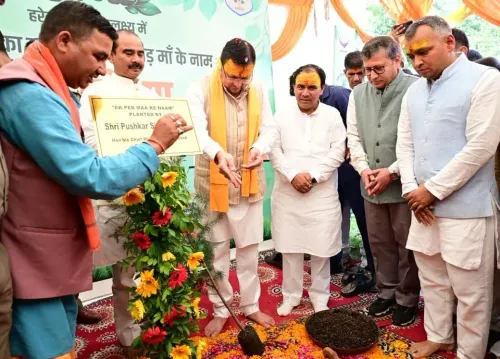
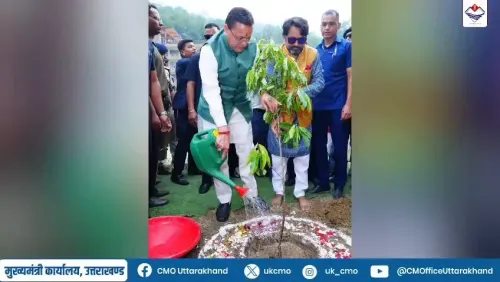
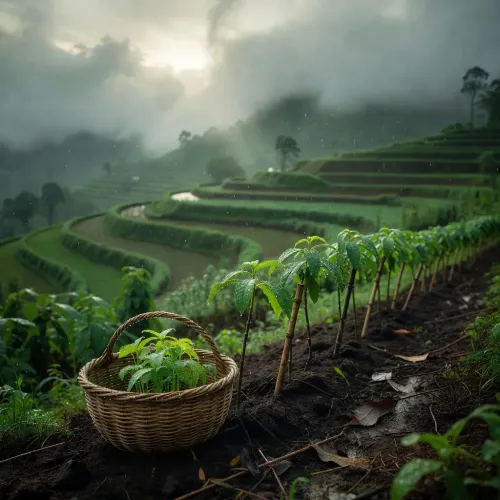
The 'Ek Ped Maa Ke Naam' campaign — a national plantation drive launched in 2024 — was the centrepiece environmental activity.
The 'Jan-Jan Ki Sarkar, Jan-Jan Ke Dwar' outreach programme ran concurrently, bringing state administration closer to Almora residents.
The event was designated a state-level programme, reflecting institutional priority given to both environmental and governance outreach in Kumaon.
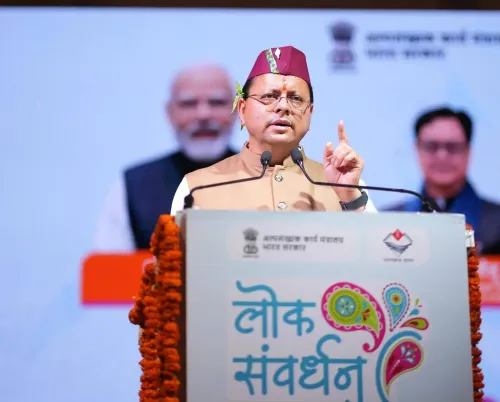
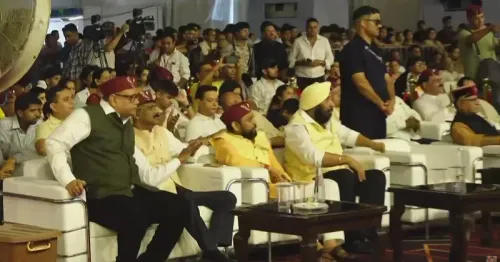
The Chief Minister's Office of Uttarakhand announced on 16 July 2026 that Chief Minister Pushkar Singh Dhami participated in a state-level mass plantation drive and public outreach programme held at Garudabaz Maidan in Almora district, coinciding with the traditional monsoon festival of Harela.
Context
The event brought together two concurrent programmes: the 'Ek Ped Maa Ke Naam' (Ek Ped Maa Ke Naam — 'One Tree in the Name of Your Mother') mass plantation initiative, and the 'Jan-Jan Ki Sarkar, Jan-Jan Ke Dwar' ('Jan-Jan Ki Sarkar, Jan-Jan Ke Dwar' — 'Government for Every Person, at Every Person's Doorstep') public outreach drive. The Chief Minister's Office described the occasion as a state-level event, signalling the administration's intent to give the Harela festival formal institutional weight this year.
Harela is a traditional festival of the Kumaon region, observed at the onset of the monsoon season. It has long been associated with community tree plantation and is regarded as one of Uttarakhand's most prominent ecological-cultural observances.
Policy Backdrop
The Ek Ped Maa Ke Naam campaign was launched nationally in 2024 to expand green cover by encouraging citizens to plant trees as a tribute to their mothers, drawing on both environmental and emotional appeal. Uttarakhand, as a Himalayan state with significant forest cover, has been among the states integrating this national drive with local festivals to amplify public participation.
The Jan-Jan Ki Sarkar, Jan-Jan Ke Dwar scheme reflects a broader state policy of taking administrative services and grievance redressal mechanisms directly to citizens at the local level, particularly in remote hill districts that are harder to reach through conventional bureaucratic channels. Almora, a hill district in the Kumaon division, is a natural venue for such outreach given its dispersed population and traditional community ties.
Stakeholders and Impact
Residents of Almora and surrounding Kumaon communities are the primary beneficiaries of both programmes. The plantation drive contributes to afforestation goals in a state where forest health is directly linked to water security, landslide prevention, and livelihoods dependent on agriculture and tourism.
The parallel outreach programme offers local communities direct access to state administration, potentially addressing long-pending grievances related to land records, welfare schemes, and infrastructure in an area where connectivity has historically been a constraint.
What's Next
Follow-up reviews of the plantation drive are expected to track sapling survival rates, a metric that environmental administrators in Uttarakhand have increasingly emphasised over raw planting numbers. The Jan-Jan Ki Sarkar outreach model, if deemed effective in Almora, is likely to be extended to additional blocks and districts across the state in the coming months, consistent with the Dhami administration's pattern of scaling successful public-engagement pilots.
Point of View
Allowing it to claim credit in both Delhi's policy ledger and the local cultural imagination. The simultaneous 'Jan-Jan Ki Sarkar' component adds a governance dimension that distinguishes this from a purely ceremonial plantation event. Whether sapling survival rates and grievance-resolution outcomes are tracked and published will determine whether these programmes deliver durable impact or remain high-visibility, low-accountability exercises.
NationPress
16 Jul 2026
Frequently Asked Questions
What is the 'Ek Ped Maa Ke Naam' campaign?
'Ek Ped Maa Ke Naam' is a national tree plantation campaign launched in 2024 that encourages citizens to plant a tree as a tribute to their mothers, aimed at expanding India's green cover through public participation. Uttarakhand has integrated this drive with local festivals like Harela to boost community involvement.
What is Harela festival and why is it associated with tree plantation?
Harela is a traditional festival of the Kumaon region of Uttarakhand, celebrated at the onset of the monsoon season. It has long been associated with community tree plantation as a way of welcoming the rains and promoting greenery, making it a natural fit for government-led afforestation drives.
What is the 'Jan-Jan Ki Sarkar, Jan-Jan Ke Dwar' programme?
'Jan-Jan Ki Sarkar, Jan-Jan Ke Dwar' is an Uttarakhand government outreach initiative designed to bring administrative services and public grievance redressal directly to citizens at the local level, particularly in remote hill districts.
Where is Garudabaz Maidan in Almora?
Garudabaz Maidan is a public ground in Almora district, located in the Kumaon division of Uttarakhand, and is commonly used for large state-level events and public gatherings in the region.
Why did CM Dhami visit Almora on 16 July 2026?
Chief Minister Pushkar Singh Dhami visited Almora on 16 July 2026 to participate in a state-level plantation event under the 'Ek Ped Maa Ke Naam' campaign held on the occasion of Harela festival, alongside the 'Jan-Jan Ki Sarkar, Jan-Jan Ke Dwar' public outreach programme.