CM Dhami Pushes Doorstep Governance Via Jan-Jan Campaign
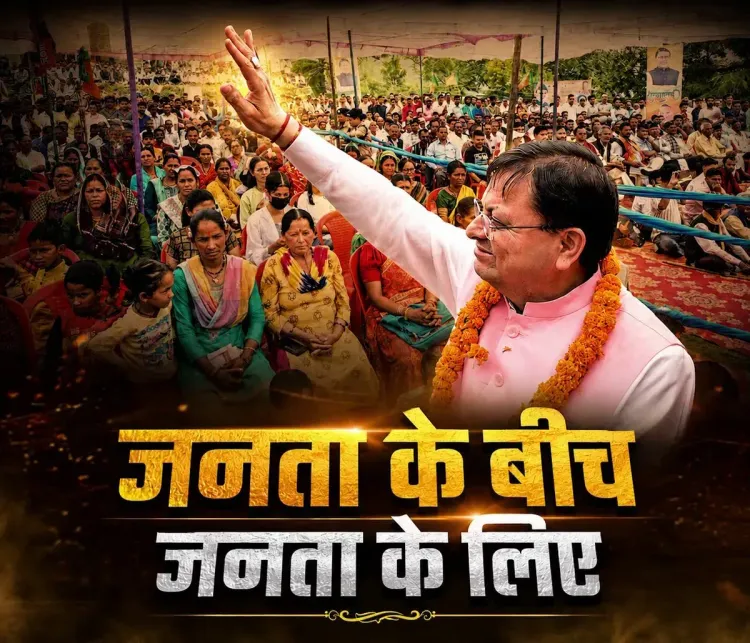
Synopsis
Uttarakhand Chief Minister Pushkar Singh Dhami on 10 July 2026 highlighted the 'Jan-Jan Ki Sarkar, Jan-Jan Ke Dwar' campaign, pledging doorstep grievance redressal and last-mile delivery of welfare schemes to every citizen, especially the most marginalised.
Key Takeaways
CM Pushkar Singh Dhami reaffirmed on 10 July 2026 his government's commitment to the 'Jan-Jan Ki Sarkar, Jan-Jan Ke Dwar' outreach campaign.
The campaign aims to bring grievance redressal and welfare scheme benefits to the doorstep of every citizen in Uttarakhand .
The initiative is anchored in antyodaya principles, targeting the most marginalised sections of society.
The drive mirrors a broader BJP pattern of 'double-engine' governance combining central DBT mechanisms with state-level door-to-door administration.
Rugged terrain in Uttarakhand makes last-mile delivery particularly significant for remote hill communities.
District-level performance reviews and integration with CM Helpline and e-District portals will be key indicators of the campaign's real-world impact.
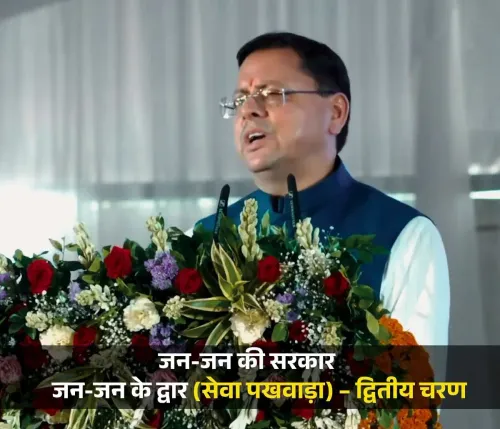
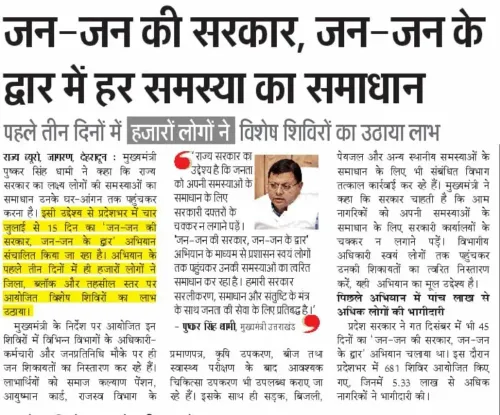
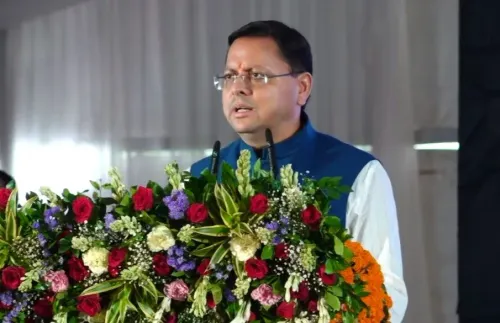
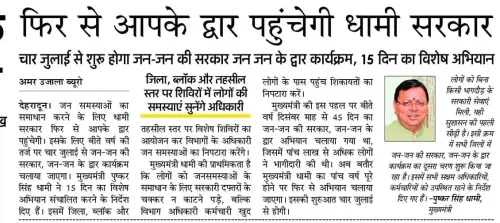
Uttarakhand Chief Minister Pushkar Singh Dhami on Friday, 10 July 2026, reaffirmed his government's commitment to reaching every citizen of the state through the 'Jan-Jan Ki Sarkar, Jan-Jan Ke Dwar' outreach campaign, pledging swift redressal of public grievances and last-mile delivery of welfare schemes.
Context
In his post, Chief Minister Dhami wrote — 'जन-जन की सरकार, जन-जन के द्वार' ['A government for every person, at the doorstep of every person'] — describing the campaign as a vehicle to ensure that the benefits of development schemes reach 'samaj ke antim vyakti' (the last person in society). The language directly echoes the Gandhian and Lohiaite concept of antyodaya, the uplift of the most marginalised, which has been a recurring rhetorical anchor for the Dhami government since it returned to power.
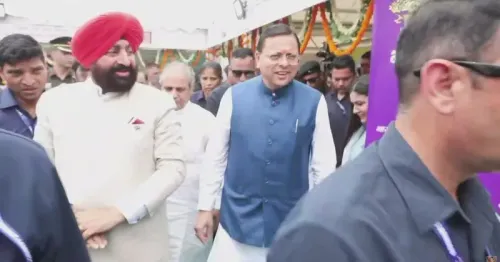
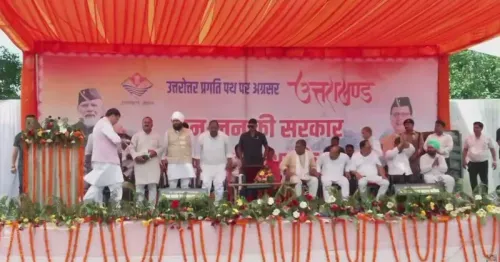
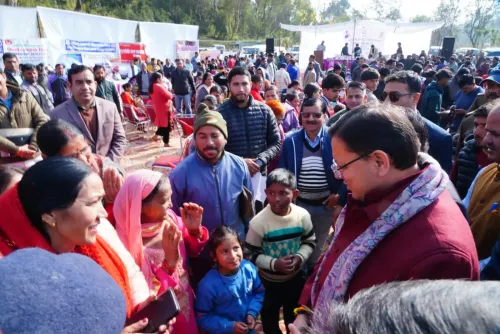
The post was accompanied by a video, suggesting on-ground footage of the campaign in action, though the specific district or event was not identified in the post text.
Policy Backdrop
The 'Jan-Jan Ki Sarkar, Jan-Jan Ke Dwar' campaign is part of a broader administrative outreach model that the Uttarakhand government has pursued since the 2022 assembly elections, in which Dhami led the BJP to a consecutive majority — a feat the party had not achieved in the state since its formation in 2000. Post-election, the government repeatedly invoked antyodaya principles to prioritise the poorest households in scheme delivery.
The campaign fits into a pattern seen across BJP-governed states, where localised grievance camps and door-to-door administration have been promoted under the umbrella of 'double-engine' governance — combining central Direct Benefit Transfer mechanisms with state-level last-mile outreach. Earlier experiments such as Janata Darbars and CM Helpline portals in multiple states since 2014 laid the conceptual groundwork for such drives.
Stakeholders and Impact
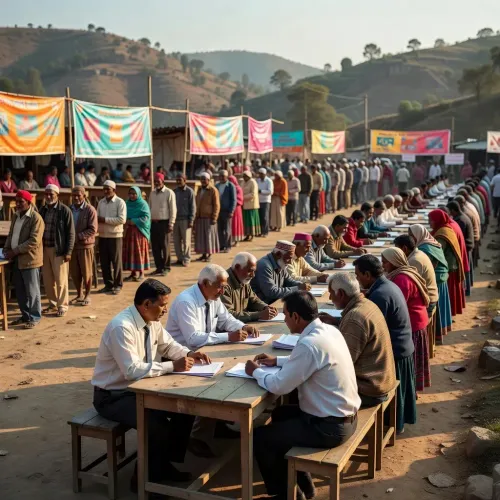
The primary beneficiaries of this campaign are rural households and welfare-scheme recipients across Uttarakhand, a state where mountainous terrain and dispersed habitations have historically made administrative access difficult. For many residents of remote hill districts, doorstep grievance redressal represents a significant departure from the traditional model of citizens travelling to block or district offices.
If effectively implemented, the campaign could improve uptake of centrally and state-sponsored schemes — ranging from housing and health insurance to agricultural support — among communities that have remained at the margins of formal delivery systems. The political dividend for the ruling party in consolidating its connect with first-time or underserved beneficiaries is also a noted dimension of such outreach drives.
What's Next
Observers will watch whether district-level performance reviews of the campaign are made public, and whether the initiative is integrated with existing digital infrastructure such as the CM Helpline or e-District services portal. Measurable outcomes — number of grievances registered, resolved, and schemes disbursed through the campaign — will determine whether the drive translates from political messaging into administrative impact. Any formal expansion or institutionalisation of the campaign ahead of local body elections in Uttarakhand would signal a deeper strategic intent.
Point of View
Jan-Jan Ke Dwar' campaign is as much an administrative signal as it is a political one — in a state where geography has long been governance's greatest adversary, doorstep delivery is a potent promise. The antyodaya framing places the initiative within the ideological continuum the BJP has cultivated since 2014, linking Deendayal Upadhyaya's philosophy to on-ground scheme delivery. For Dhami personally, sustaining visible outreach momentum is critical to consolidating his position as the face of development in a state where the party broke a historic jinx in 2022. Whether the campaign produces verifiable grievance-resolution data or remains a mobilisation exercise will define its legacy beyond the news cycle.
NationPress
10 Jul 2026
Frequently Asked Questions
What is the 'Jan-Jan Ki Sarkar, Jan-Jan Ke Dwar' campaign in Uttarakhand?
It is an outreach campaign by the Uttarakhand government under Chief Minister Pushkar Singh Dhami that aims to deliver welfare scheme benefits and resolve public grievances at the doorstep of every citizen, with a focus on reaching the most marginalised sections of society.
What did CM Dhami say about the Jan-Jan Ki Sarkar campaign?
On 10 July 2026, CM Dhami stated that through this campaign, his government is working with full commitment to reach every citizen, resolve their problems swiftly, and ensure development scheme benefits reach the last person in society.
How does the Jan-Jan Ke Dwar campaign work in Uttarakhand?
The campaign involves government officials conducting door-to-door outreach to register and resolve citizen grievances and facilitate access to welfare schemes, particularly targeting rural and remote communities that face difficulties in accessing block or district offices.
Why is last-mile governance important in Uttarakhand?
Uttarakhand's mountainous terrain and dispersed habitations make it difficult for residents of remote hill districts to access government offices, making doorstep delivery of services and grievance redressal especially significant for the state.
What is 'double-engine' governance and how does it relate to this campaign?
'Double-engine' governance refers to the BJP's model of combining a BJP government at the Centre with a BJP state government to accelerate development. In Uttarakhand, this translates to aligning central Direct Benefit Transfer mechanisms with state-level door-to-door outreach campaigns like 'Jan-Jan Ki Sarkar, Jan-Jan Ke Dwar'.