CM Dhami Pushes Four Uttarakhand Roads Into NH Network
Synopsis
Chief Minister Pushkar Singh Dhami's request to upgrade four Uttarakhand mountain roads as national highway spurs has received a formal response from Union Minister Nitin Gadkari, who confirmed the proposals are now under technical examination — a key step toward NH designation and central funding.
Key Takeaways
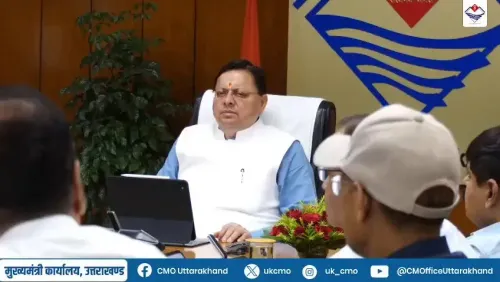
CM Pushkar Singh Dhami wrote to Union Minister Nitin Gadkari on 24 July 2026 requesting NH spur status for four Uttarakhand roads.
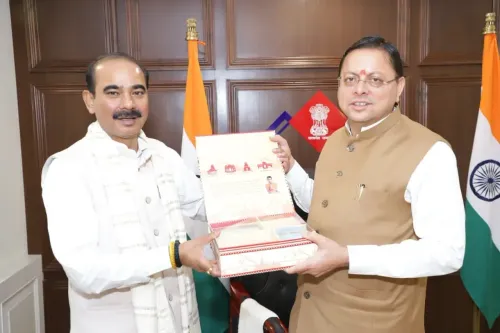
Gadkari confirmed in a letter that the proposals have been forwarded to ministry officials for technical examination and consideration.
The four corridors are: Sikuda Band–NTD (Almora) tunnel road (~1 km) as NH-309B spur; Seraghat–Barechina (45 km) ; Marchula–Bhikiyasain (72 km) ; and Kalsi–Chakrata (44 km) as NH-707A and NH-507 spurs.
NH designation would shift construction and maintenance funding to the central government and raise road standards in remote hill and border districts.
The proposals align with the Bharatmala Pariyojana framework for expanding highway connectivity in Himalayan and border regions.
Formal approval requires completion of technical scrutiny; no gazette notification has been issued yet.
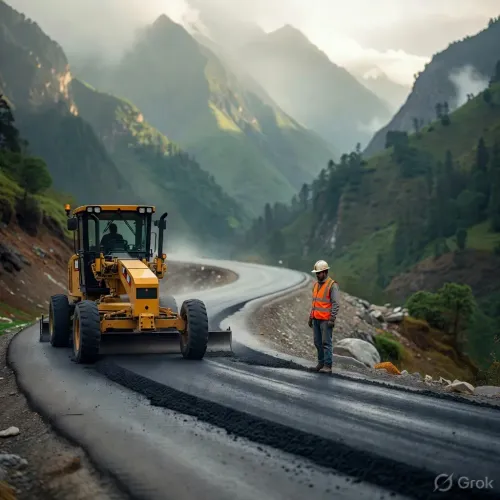
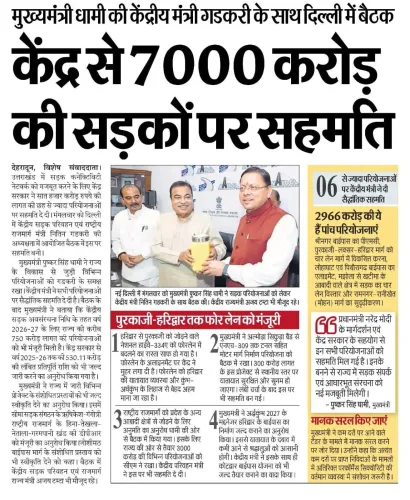
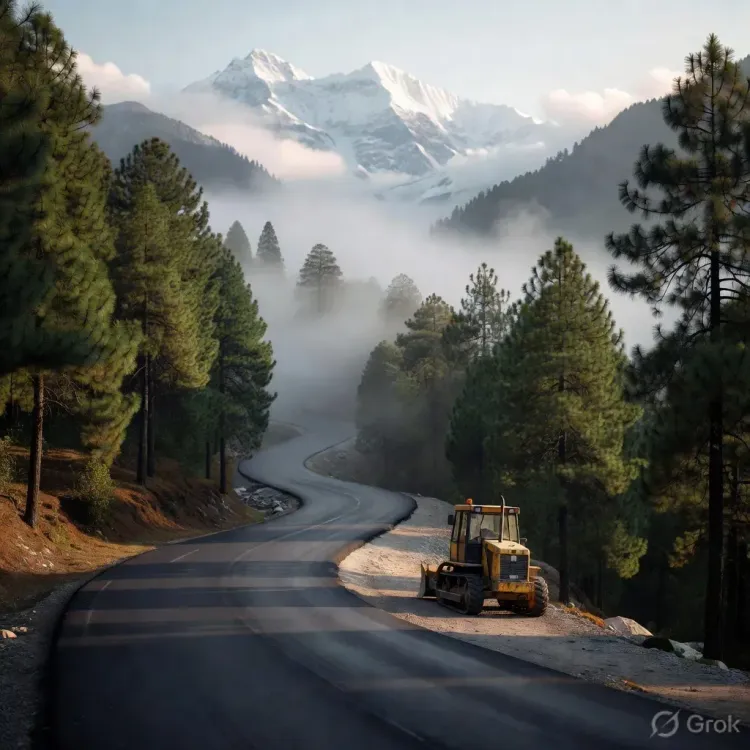
Four mountain roads in Uttarakhand — stretching across some of the state's most isolated and strategically sensitive terrain — are now under active federal scrutiny for elevation to the national highway network, after Union Minister Nitin Gadkari confirmed in a letter to Chief Minister Pushkar Singh Dhami that the state's proposals have been forwarded to the relevant officials for technical examination.
The four corridors CM Dhami put on the table
On 24 July 2026, CM Dhami formally wrote to Gadkari requesting national highway spur status for four road stretches. The list is specific and consequential: a roughly 1-kilometre tunnel-inclusive motor road from Sikuda Band to NTD (Almora), proposed as a spur of National Highway-309B; the Seraghat–Barechina motor road (45 kilometres); the Marchula–Bhikiyasain motor road (72 kilometres); and the Kalsi–Chakrata motor road (44 kilometres), proposed as spurs of NH-707A and NH-507. Together, these corridors thread through hill districts and border zones that have historically sat at the end of the connectivity queue.
What Gadkari's letter actually means — and what it doesn't
Gadkari's response stops short of approval. His letter to Dhami confirms the proposals have been 'sent to the concerned officials for consideration and necessary examination' — standard ministry language for the technical scrutiny phase that precedes any formal gazette notification. In Himalayan states, this process can involve terrain assessments, traffic studies, and defence ministry consultations for roads near the border. The clock is now with the ministry's technical wing, not the politicians.
Almora, Chakrata, Marchula: the districts that stand to gain
CM Dhami framed the push in terms of regional equity: the state government's goal, he said, is to provide 'better road connectivity to mountainous and border areas and, by linking them to the national highway network, give new momentum to regional development, tourism, trade, and the local economy.' The Kalsi–Chakrata stretch, for instance, runs through a cantonment zone in Dehradun district; the Marchula–Bhikiyasain corridor cuts through Almora and Chamoli districts where road quality directly determines access to markets and emergency services. National highway status brings with it central funding, higher construction standards, and maintenance responsibility shifting to the Union government — a material upgrade for communities that currently depend on state PWD budgets.
Bharatmala's mountain mandate
The proposals sit squarely within the architecture of the Bharatmala Pariyojana, the central government's flagship highway expansion programme approved in 2015, which explicitly prioritises connectivity in remote and border areas. Gadkari, who has helmed the Road Transport and Highways ministry since 2014, has overseen the designation of hundreds of state roads as national highway spurs under this framework — particularly across Himalayan states where terrain constraints make the trunk network sparse. Uttarakhand, sharing borders with China and Nepal, has a strategic argument that goes beyond economics.
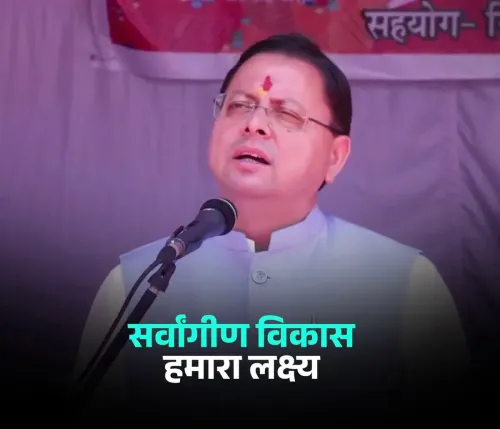
Dhami expressed confidence that 'with the central government's positive cooperation, a quick decision on these proposals will be taken and the state's road infrastructure will be further strengthened,' and thanked Gadkari for his 'sensitive approach' to Uttarakhand's development needs.
The next move belongs to the ministry's engineers. When their report lands, it will determine whether these mountain corridors get the national stamp — or go back to the drawing board.
Point of View
Securing NH spur status for border-adjacent corridors like Kalsi–Chakrata reinforces the BJP's dual narrative of development and national security in a hill state where road quality is a perennial electoral flashpoint. The technical examination phase is where proposals most often stall, making the ministry's timeline the real variable to watch. If all four corridors clear scrutiny, it would represent a meaningful expansion of Uttarakhand's national highway footprint and a template for other Himalayan states pressing similar demands.
NationPress
13 Aug 2026
Frequently Asked Questions
Which four roads in Uttarakhand are proposed as national highway spurs?
The four roads are: the Sikuda Band to NTD (Almora) tunnel road (approximately 1 km) as a spur of NH-309B; the Seraghat–Barechina motor road (45 km); the Marchula–Bhikiyasain motor road (72 km); and the Kalsi–Chakrata motor road (44 km) as spurs of NH-707A and NH-507.
What did Nitin Gadkari say about Uttarakhand's road proposals?
Union Minister Nitin Gadkari wrote to CM Pushkar Singh Dhami confirming that the state's proposals have been forwarded to the relevant ministry officials for technical consideration and examination. He has not yet granted formal approval.
What is a national highway spur and why does it matter?
A national highway spur is a short connecting road that branches off a main national highway to link a town or area to the trunk network. Spur status means the road is funded, built, and maintained by the central government under higher construction standards, relieving the state budget and improving road quality.
How does Bharatmala Pariyojana relate to these Uttarakhand road proposals?
Bharatmala Pariyojana, approved in 2015, is the central government's framework for expanding national highway connectivity, with special emphasis on remote, Himalayan, and border areas. Uttarakhand's proposals to upgrade state roads as NH spurs fall within this programme's mandate.
When did CM Dhami send the request to the Centre for these roads?
CM Pushkar Singh Dhami sent the formal request letter to Union Minister Nitin Gadkari on 24 July 2026.