CM Dhami Pushes PMGSY-IV: 309 Uttarakhand Villages to Get Roads
Synopsis
Uttarakhand CM Pushkar Singh Dhami's direct advocacy with the Centre has secured inclusion of 309 villages in PMGSY-IV's first phase, adding to 2,826 roads already completed across three earlier phases of India's flagship rural roads programme.
Key Takeaways
309 villages in Uttarakhand will be connected by road under the first phase of PMGSY-IV , secured through CM Dhami's advocacy.
2,826 roads have been completed in Uttarakhand across the first three phases of PMGSY since the scheme's launch in 2000 .
PMGSY-IV marks a return to fresh connectivity after PMGSY-III (2019) focused on upgrading existing roads.
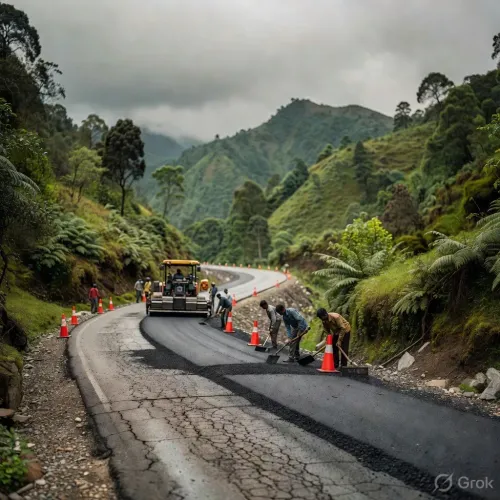
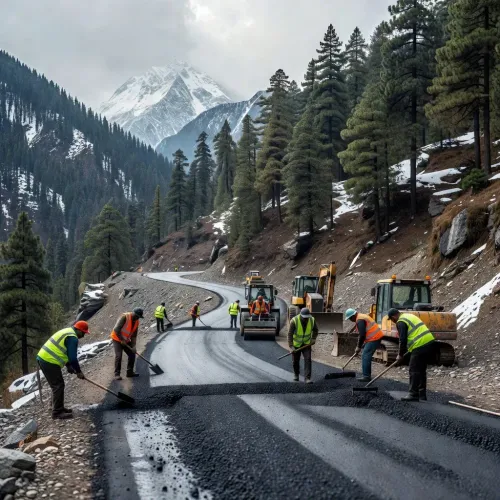
Uttarakhand's hilly terrain makes rural road construction especially complex and cost-intensive, amplifying the significance of each sanctioned village.
Tendering and physical progress under PMGSY-IV phase one remain the key next milestones to watch for the state government.
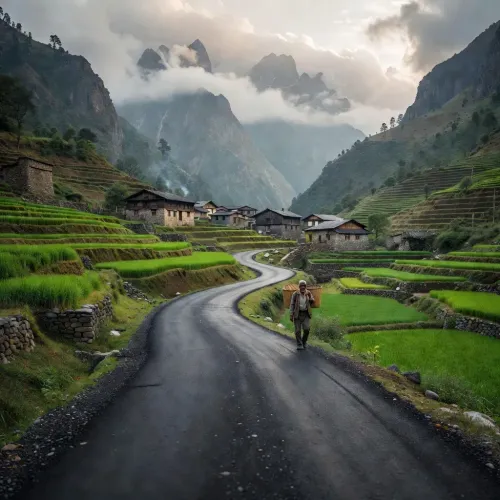
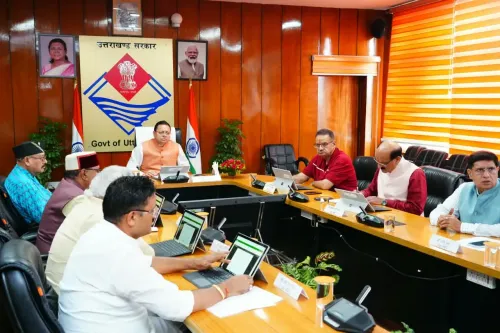
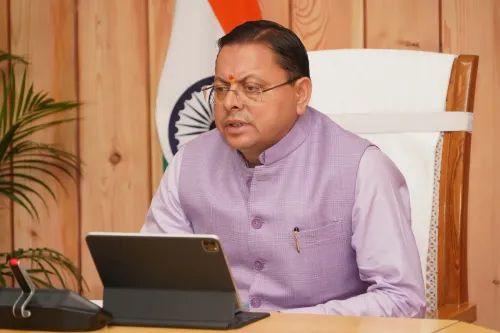
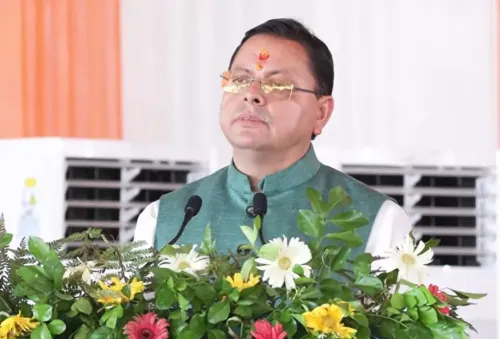
Three hundred and nine villages tucked deep in the Himalayas are about to get their first all-weather road link — and the push came straight from the top. Chief Minister Pushkar Singh Dhami's sustained advocacy with the Centre has secured Uttarakhand's inclusion in the first phase of PMGSY-IV, the fourth edition of India's flagship rural roads programme, the Chief Minister's Office of Uttarakhand announced on Saturday, September 26, 2026.
309 villages, one phase — what the PMGSY-IV clearance means on the ground
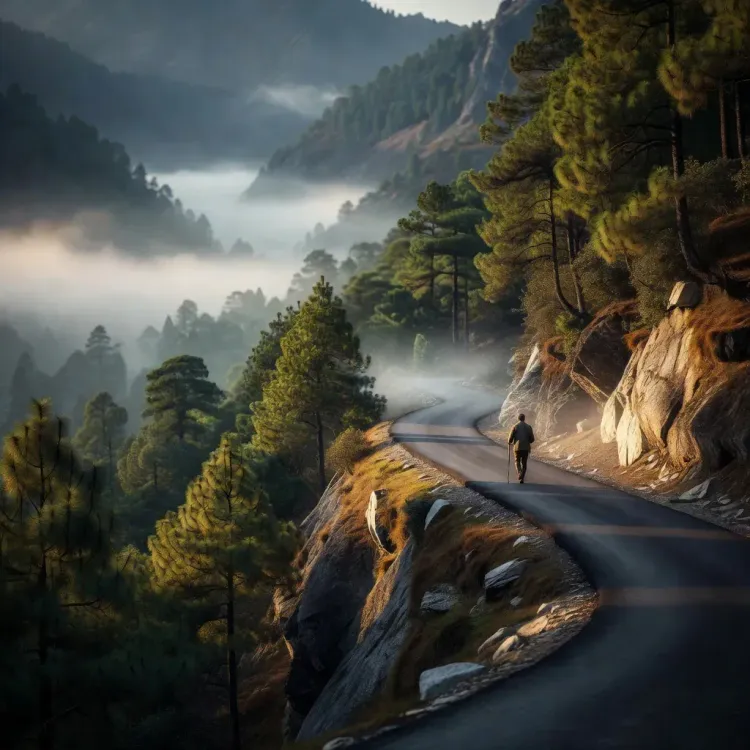
The CMO's post states in Hindi: 'मुख्यमंत्री श्री पुष्कर सिंह धामी की मजबूत पैरवी से पीएमजीएसवाई-चार के प्रथम चरण में प्रदेश के 309 गांव जल्द ही सड़क से जुड़ेंगे' — 'Through the strong advocacy of Chief Minister Pushkar Singh Dhami, 309 villages of the state will soon be connected by road in the first phase of PMGSY-IV.' For mountain habitations that can remain cut off for weeks during monsoon or winter snowfall, a motorable road is not infrastructure — it is access to hospitals, markets, and schools.
The announcement also puts a cumulative number on the table: across the first three phases of PMGSY, 2,826 roads have been completed in Uttarakhand. That figure underlines just how much ground has been covered since the programme began in 2000 — and how large the remaining task still is in a state defined by ridgelines, river gorges, and dispersed habitations.
PMGSY's quarter-century arc — from launch to phase four
Pradhan Mantri Gram Sadak Yojana was conceived as a one-time push to connect every unlinked rural habitation in India with an all-weather road. When it launched under the Atal Bihari Vajpayee government in 2000, hilly states like Uttarakhand were given priority because of their disproportionate share of unconnected villages. Three phases followed, each refining the mandate — early phases focused on fresh construction, while PMGSY-III, approved in 2019, pivoted toward consolidating and upgrading existing rural roads.
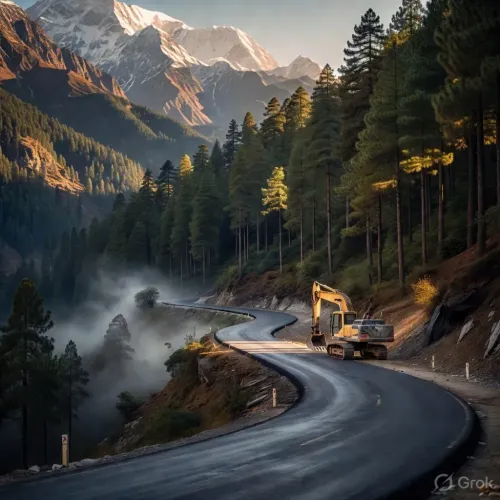
PMGSY-IV marks a return to the original mission: finding and connecting habitations that were left behind or have since crossed population thresholds that qualify them for inclusion. For Uttarakhand — where building a single kilometre of road can involve blasting through rock faces and bridging mountain streams — every sanctioned village represents a complex, costly engineering operation, not just a line on a map.
Dhami's 'strong advocacy' and what it signals for state-Centre dynamics
The CMO's deliberate use of the phrase 'मजबूत पैरवी' — 'strong advocacy' — frames this not as a routine administrative update but as a political and administrative win secured through direct intervention. Uttarakhand, as a special-category hill state, depends heavily on centrally sponsored scheme funding, and the speed of inclusion in PMGSY-IV's first phase — rather than a later tranche — has direct consequences for when construction contracts can be tendered and when villages actually see earthmovers arrive.
With tendering and physical progress under PMGSY-IV phase one now the critical next milestone, the state government will be watched on whether the project pipeline translates into completed roads before the next election cycle.
Twenty-six years after a prime minister promised roads to India's remotest villages, 309 more Uttarakhand communities are finally in the queue. The mountain doesn't negotiate — but it appears, this time, someone negotiated hard enough on its behalf.
Point of View
A state structurally dependent on New Delhi for capital-intensive infrastructure funding, securing an early tranche in PMGSY-IV rather than a later phase is a tangible administrative win. The cumulative figure of 2,826 completed roads also serves as a long-arc BJP governance argument, anchoring this announcement in a decade-plus record. The real test, however, lies in the state's ability to convert sanctions into completed roads in a terrain that has historically caused time and cost overruns across all PMGSY phases.
NationPress
26 Sept 2026
Frequently Asked Questions
What is PMGSY-IV and how is it different from earlier phases?
PMGSY-IV is the fourth phase of the Pradhan Mantri Gram Sadak Yojana, India's central scheme to connect unlinked rural habitations with all-weather roads. While PMGSY-III (2019) focused on upgrading existing rural roads, PMGSY-IV returns to fresh construction for habitations still lacking motorable road access.
How many villages will be connected under PMGSY-IV in Uttarakhand?
According to the Chief Minister's Office of Uttarakhand, 309 villages will be connected by road in the first phase of PMGSY-IV, following CM Pushkar Singh Dhami's advocacy with the Centre.
How many roads have been built in Uttarakhand under PMGSY so far?
The CMO states that 2,826 roads have been completed in Uttarakhand across the first three phases of PMGSY since the scheme launched in 2000.
When was PMGSY launched and which states get priority?
PMGSY was launched in 2000 to provide all-weather road access to unconnected rural habitations across India. Hilly states like Uttarakhand and areas affected by left-wing extremism have historically received priority under the scheme.
What is the significance of road connectivity for Himalayan villages?
In hill states like Uttarakhand, the absence of a motorable road can leave villages cut off for weeks during monsoon flooding or winter snowfall, severely limiting access to hospitals, markets, and schools. An all-weather road link is therefore a basic enabler of economic and social access.