CM Dhami Pushes Uttarakhand as India's Top Wedding Destination
Synopsis
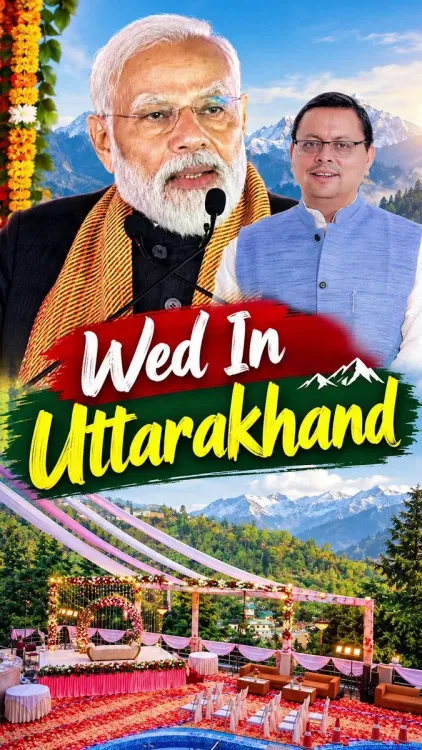
Uttarakhand CM Pushkar Singh Dhami has declared the state is being built into India's top wedding tourism hub, leveraging Himalayan landscapes and BJP's double-engine model to diversify beyond pilgrimage and adventure travel.
Key Takeaways
CM Pushkar Singh Dhami announced on September 24, 2026 that Uttarakhand is being developed as a leading wedding destination.
New wedding venues are being identified across the state under the #DestinationUttarakhand campaign.
The initiative is framed under the BJP's 'double engine government' model, aligning central and state policy.
The move aims to diversify Uttarakhand's tourism economy beyond seasonal pilgrimage and adventure travel.
No specific venues, timelines, or budget figures have been publicly disclosed yet.
The approach mirrors successful destination-wedding campaigns already running in Rajasthan and other heritage states.
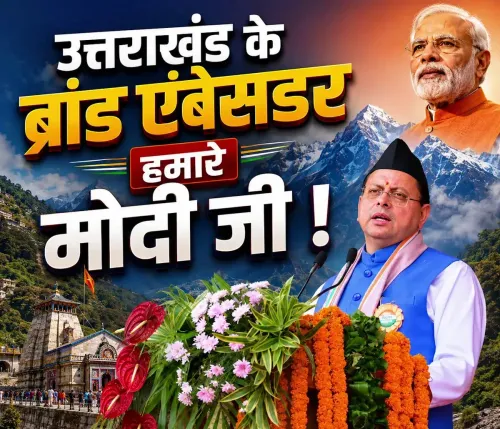
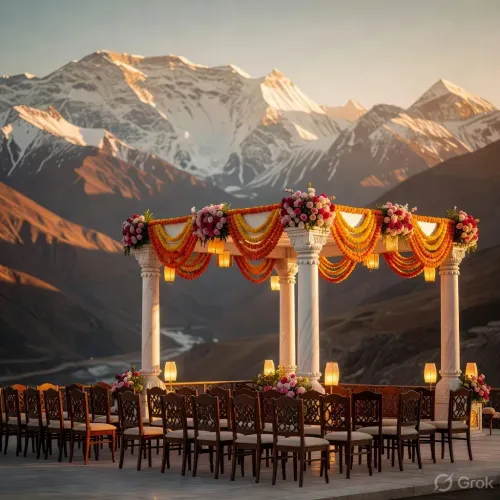
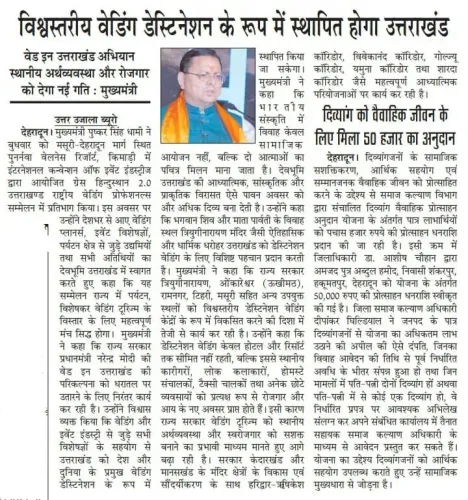
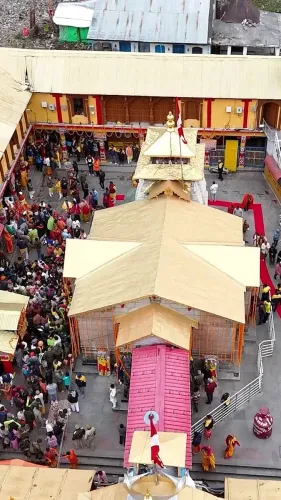
The snow-draped peaks and ancient temple towns of Uttarakhand are being repackaged for a new kind of pilgrim — the Indian wedding party. Chief Minister Pushkar Singh Dhami on Thursday, September 24, 2026, announced that his government is actively developing new wedding destinations across the state, positioning Devbhoomi (the Land of Gods) as one of India's foremost wedding tourism hubs.
Writing on X, Dhami framed the push as an extension of Prime Minister Narendra Modi's vision, stating that the 'double engine government' — BJP ruling both at the Centre and in the state — is 'continuously working to develop Uttarakhand as one of the country's leading wedding destinations' by creating new venues that showcase the state's natural beauty.
From Pilgrimage Circuit to Wedding Circuit
Uttarakhand has long drawn visitors for the Char Dham pilgrimage and adventure tourism in the Himalayas, but the state's tourism economy has historically been seasonal and heavily concentrated around a handful of religious sites. Wedding tourism — with its high per-visitor spend and year-round potential — represents a deliberate bid to flatten that curve and diversify revenue.
The broader play echoes campaigns already running in Rajasthan and other heritage-rich states that have converted palaces, forts, and scenic landscapes into premium event venues. Uttarakhand's pitch is distinctly nature-forward: Himalayan backdrops, temperate valleys, and river confluences that no ballroom can replicate.
The 'Double Engine' Development Model
Dhami's invocation of the 'double engine government' is a deliberate signal to investors and the hospitality industry. The phrase — a BJP campaign concept since 2014 — promises that when the same party governs both the state and the Centre, infrastructure clearances, funding pipelines, and policy alignment move faster. For the wedding tourism sector, that matters: new venues require land use approvals, road access, utilities, and event-management ecosystems that straddle multiple regulatory layers.
The hospitality and events industry in Uttarakhand, still dominated by small operators catering to pilgrims and trekkers, stands to gain significantly if the state government follows through with site identification, budget allocations, and brand-building under the #DestinationUttarakhand banner.
What the Rollout Still Needs to Show
The announcement is a statement of direction, not a completed policy — specific venues, timelines, and budget lines have not yet been disclosed publicly. The real test will come when the state tables concrete site approvals and infrastructure spend, and when tourism arrival data begins to reflect the pivot. India's wedding industry is estimated to be among the largest in the world by value, and even a modest share of destination weddings redirected to Uttarakhand could translate into substantial economic uplift for local hospitality businesses, caterers, florists, and transport operators across the hill districts.
For now, Devbhoomi is making its case — and the mountains have always been a persuasive backdrop.
Point of View
Especially in sectors like hospitality where central and state coordination visibly speeds delivery. Uttarakhand's move mirrors Rajasthan's playbook but with a distinct Himalayan nature-luxury pitch that could carve out a defensible niche in the premium destination-wedding market. The real political dividend comes only when venues are operational and jobs materialise — making the rollout timeline a key metric to watch. If the initiative stalls at the announcement stage, it risks becoming a talking point rather than a transformation.
NationPress
24 Sept 2026
Frequently Asked Questions
Which areas in Uttarakhand are being developed as wedding destinations?
No specific venues have been publicly named yet. CM Dhami's announcement on September 24, 2026 stated that new wedding destinations leveraging the state's natural beauty are being developed, but site details are pending official disclosure.
What is the 'double engine government' model Dhami refers to?
The 'double engine government' is a BJP concept that describes having the same party in power at both the Centre and the state, which the party argues allows faster policy alignment, infrastructure funding, and project clearances.
Why is Uttarakhand promoting wedding tourism now?
Uttarakhand's tourism has traditionally been concentrated around pilgrimage and adventure travel, which are seasonal. Wedding tourism offers higher per-visitor spending and year-round potential, helping diversify the state's economy.
How does Uttarakhand compare to Rajasthan as a wedding destination?
Rajasthan is India's most established destination-wedding market, built around heritage palaces and forts. Uttarakhand is positioning itself differently — with a nature-and-Himalayan-landscape pitch aimed at outdoor and scenic luxury weddings.
What is #DestinationUttarakhand?
#DestinationUttarakhand is the state government's social media and branding campaign to promote the state as a top travel and event destination, spanning tourism, weddings, and cultural experiences.