Joshi Cites PM-KISAN, PM Surya Ghar as Proof of Modi's Seva Vision
Synopsis
Union Minister Pralhad Joshi invoked PM-KISAN and PM Surya Ghar on September 24, 2026, praising Prime Minister Modi's focus on last-mile welfare delivery under the SevaSankalpAbhiyan and SevaYatra campaigns.
Key Takeaways
Minister Pralhad Joshi posted on September 24, 2026 citing PM-KISAN and PM Surya Ghar as models of last-mile welfare delivery.
PM-KISAN , launched in February 2019 , provides Rs 6,000 annually to eligible farmer families via Direct Benefit Transfer.
PM Surya Ghar Muft Bijli Yojana , announced in 2024 , promotes residential rooftop solar for free electricity access.
Joshi's post is linked to the BJP outreach campaigns #SevaSankalpAbhiyan and #SevaYatra .
The message frames 'service' and last-mile delivery as the defining pillars of the Modi government's welfare model.
Last-mile delivery — the hardest, most unglamorous stretch of any welfare promise — is exactly what Union Consumer Affairs Minister Pralhad Joshi says defines the Modi government's record, citing flagship schemes PM-KISAN and PM Surya Ghar as evidence in a post on Thursday, September 24, 2026.
Two Schemes, One Argument
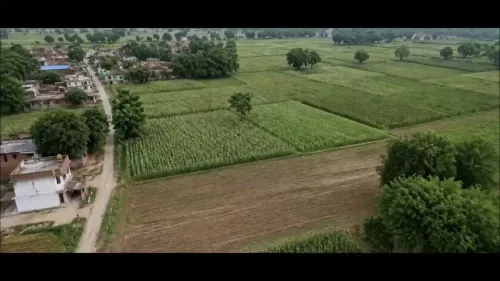
Joshi's post anchors its case in two of the central government's most visible welfare instruments. PM-KISAN — the Pradhan Mantri Kisan Samman Nidhi — has since its launch in February 2019 channelled an annual income support of Rs 6,000 directly into the bank accounts of eligible landholding farmer families through the Direct Benefit Transfer mechanism, cutting out intermediaries that historically siphoned funds away from beneficiaries.
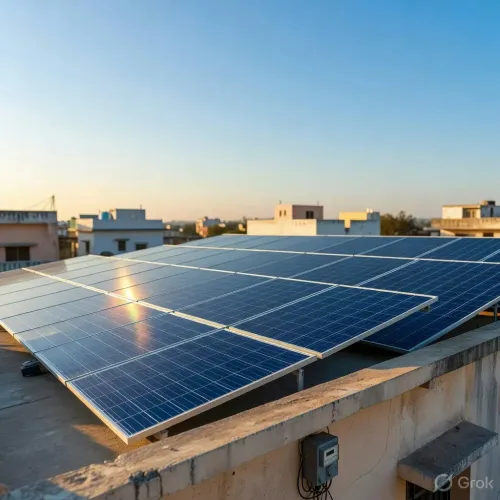
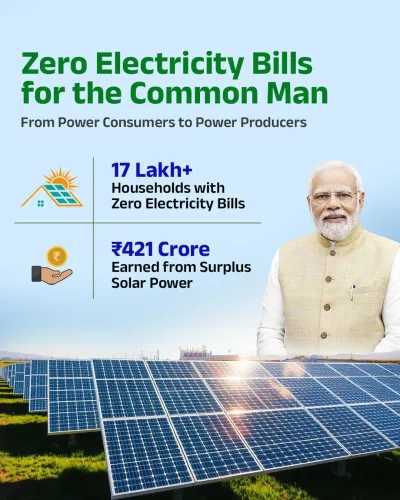
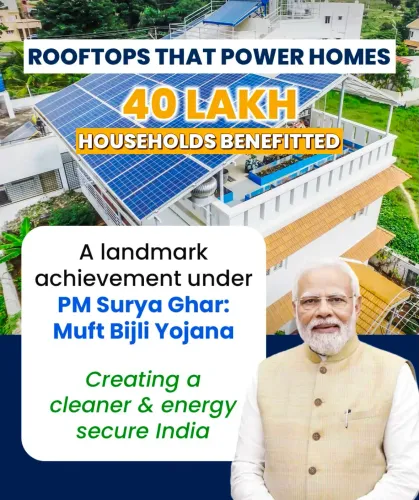
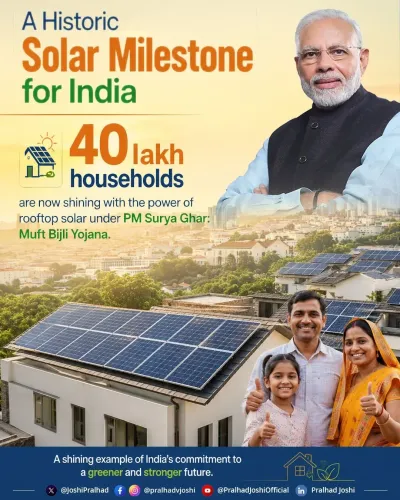
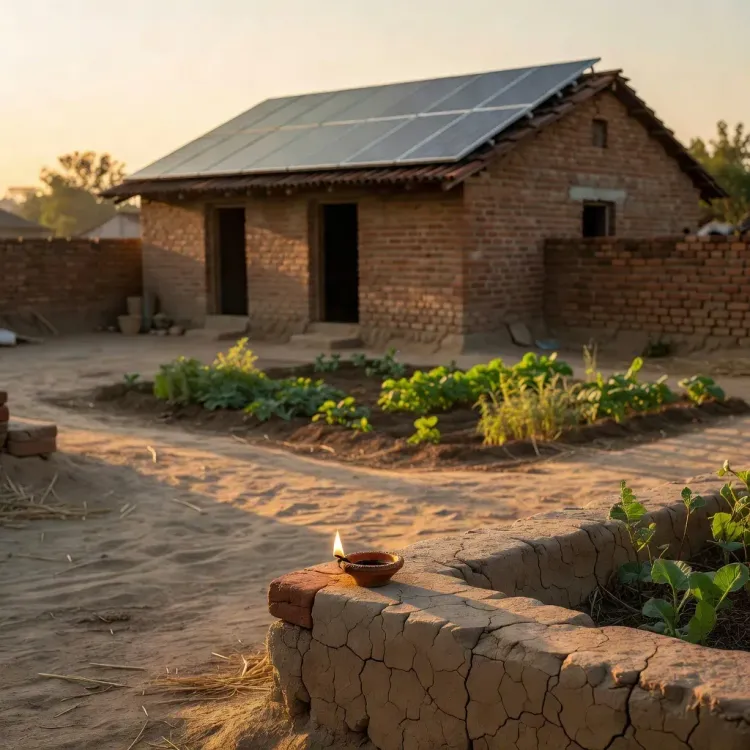
The second pillar he invokes is the PM Surya Ghar Muft Bijli Yojana, announced in 2024, which targets residential rooftop solar adoption to deliver free electricity to households. Together, the two schemes span the government's twin priorities: agricultural income security and clean energy access at the household level.
The 'Seva' Frame and the Outreach Campaign
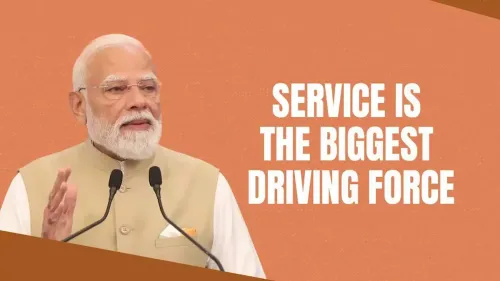
Joshi's message is explicitly woven into the hashtags #SevaSankalpAbhiyan and #SevaYatra — outreach campaigns that tie welfare implementation to a broader BJP narrative of 'service' as the defining ethic of the Modi administration. Quoting the Prime Minister, Joshi writes: 'Service is the biggest driving force: PM Shri Narendra Modi ji.'
The framing is deliberate. By spotlighting 'last-mile delivery' — the final, friction-heavy step where government benefits actually reach citizens — Joshi is reinforcing a central claim the ruling party has made repeatedly: that its welfare architecture is not merely announced but actually delivered.
Why Small Farmers and Rooftop Solar Matter Together
The pairing of PM-KISAN's income-transfer logic with PM Surya Ghar's energy-access push is not accidental. Both schemes rely on direct-benefit architecture that bypasses state-level bottlenecks, and both are aimed squarely at small and marginal farmers and rural households — constituencies that form the backbone of the BJP's electoral coalition. The government's ability to demonstrate tangible, verifiable outcomes in both domains is central to its political messaging ahead of any state or national electoral cycle.
Joshi, who holds charge of both consumer affairs and new and renewable energy, has a direct institutional stake in the performance of both schemes — making his invocation of them more than a routine party endorsement.
Point of View
It points to existing ones and insists the hard work of last-mile execution is already done. Tying consumer affairs and renewable energy portfolios to the 'Seva' narrative allows the party to present its technocratic welfare architecture as a moral mission. The invocation of Direct Benefit Transfer as the proof of integrity is a long-running counter-narrative to legacy corruption critiques. With SevaSankalpAbhiyan mobilising party workers, these ministerial posts function as both grassroots reinforcement and national messaging in one move.
NationPress
24 Sept 2026
Frequently Asked Questions
What is PM-KISAN and who benefits from it?
PM-KISAN, or Pradhan Mantri Kisan Samman Nidhi, provides annual direct income support of Rs 6,000 to eligible landholding farmer families across India through Direct Benefit Transfer. It was launched in February 2019.
What is the PM Surya Ghar Muft Bijli Yojana?
PM Surya Ghar Muft Bijli Yojana is a central government scheme announced in 2024 to promote rooftop solar panels on residential homes, aimed at providing free electricity to households.
What is SevaSankalpAbhiyan?
SevaSankalpAbhiyan appears to be a BJP outreach campaign linking the party's governance and welfare delivery to the theme of 'seva' (service), associated with the Modi administration's public messaging.
What portfolios does Pralhad Joshi hold?
Pralhad Joshi is the Union Minister of Consumer Affairs, Food and Public Distribution, and also the Minister of New and Renewable Energy. He is a senior BJP leader from Karnataka.
What does 'last-mile delivery' mean in the context of government welfare schemes?
Last-mile delivery refers to the final stage of welfare implementation — ensuring benefits actually reach the intended beneficiaries rather than being lost to intermediaries or administrative inefficiencies. Direct Benefit Transfer is the Modi government's primary tool for this.