CM Dhami: Quality Education Builds Better Families, Society
Synopsis
Chief Minister Pushkar Dhami has reaffirmed Uttarakhand's commitment to providing all children quality, values-based education, arguing that a well-educated child uplifts not just themselves but their family and society — a stance aligned with the state's NEP 2020 reforms.
Key Takeaways
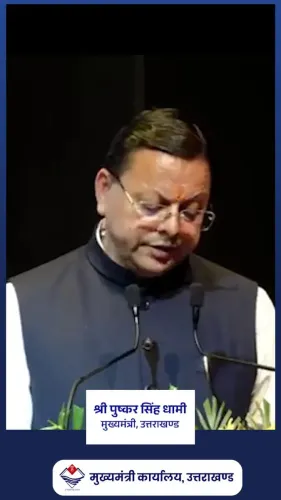
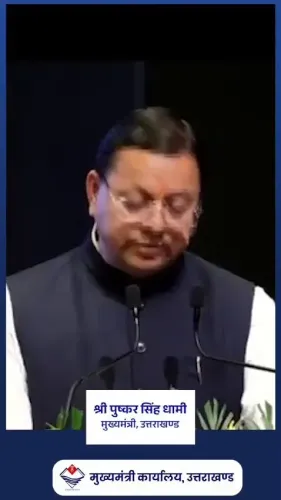
The Chief Minister's Office of Uttarakhand shared a statement by CM Pushkar Dhami on 1 July 2026 on the importance of education and values for children.
Dhami stated the government's resolve that all children must receive good values ( sanskar ) and quality education .
He framed education as a tool for individual, family, and societal progress — not merely personal advancement.
Uttarakhand has aligned its school curriculum with the National Education Policy 2020 , emphasising holistic and value-based learning.
The state faces the challenge of delivering equitable schooling across its dispersed hill districts and remote villages.
State budget allocations for school infrastructure and revised value-education modules in the next academic year will be a key indicator of follow-through.
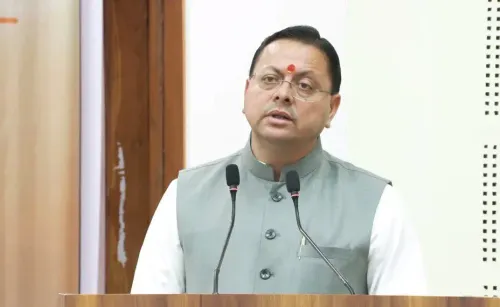
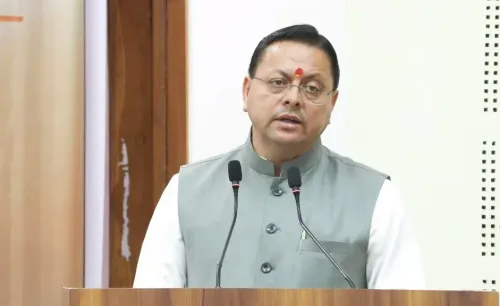
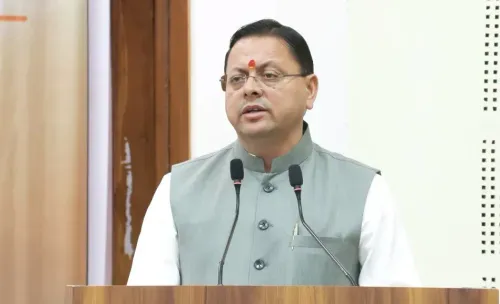
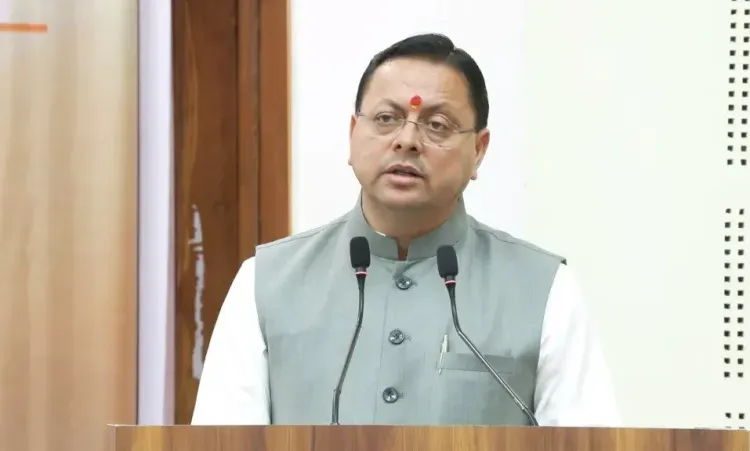
The Chief Minister's Office of Uttarakhand, on Wednesday, 1 July 2026, shared a statement by Chief Minister Pushkar Singh Dhami reaffirming the state government's commitment to ensuring that every child receives quality education rooted in good values — a resolve he framed as central to individual, family, and societal progress.
Context
Speaking on the theme of education, CM Dhami stated: 'Hamara sankalp hai ki sabhi bachchon ko achhe sanskar aur shiksha milni chahiye' ('Our resolve is that all children must receive good values and education'). He added that when a child receives quality schooling, that child contributes not only to improving their own life but also to uplifting their family and society at large. The statement underscores a values-first approach to schooling that has become a hallmark of Uttarakhand's education agenda under his leadership.
Policy Backdrop
Uttarakhand adopted the National Education Policy (NEP) 2020 as a guiding framework, aligning state-level curriculum reforms with its emphasis on holistic development, foundational literacy, and the inculcation of moral values alongside academic learning. The policy explicitly links school education to character building — a philosophy that mirrors the sentiment expressed in CM Dhami's statement. Across BJP-governed states, a parallel push for sanskar-based education has gained momentum, particularly as a response to learning gaps that widened during the pandemic years.
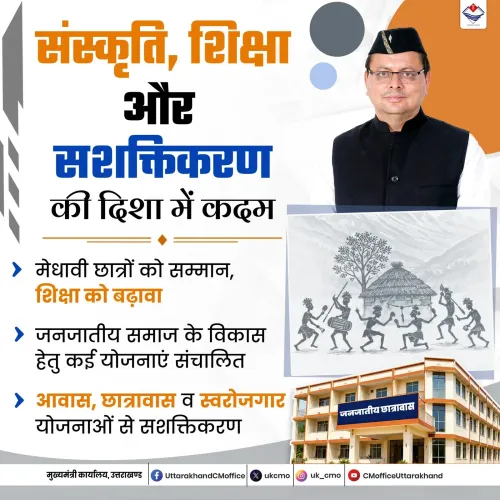
Uttarakhand's terrain — a hill state with dispersed populations across remote villages — makes equitable access to quality schooling a persistent administrative challenge. State efforts have included expanding school infrastructure, improving teacher training, and integrating value-education modules into the curriculum to address both academic and developmental outcomes.
Stakeholders and Impact
The primary beneficiaries of this policy direction are school-age children, particularly those in rural and semi-urban pockets of Uttarakhand where access to quality teaching has historically been uneven. Families in the state's hill districts stand to gain if the government's resolve translates into sustained budget allocations and on-ground programme delivery. Civil society groups working on foundational literacy and early childhood education have long argued that value-based schooling, when implemented well, yields measurable gains in community cohesion and intergenerational mobility.
The framing of education as a tool for collective uplift — family and society, not just the individual — also signals an intent to pitch public schooling as a social investment rather than a purely personal one, potentially widening enrolment drives in underserved communities.
What's Next
Observers will watch the Uttarakhand state budget for allocations directed at school infrastructure, teacher recruitment, and value-education curriculum rollouts in the coming academic year. Whether CM Dhami's stated resolve is backed by specific scheme announcements or legislative action will determine how this commitment moves from rhetoric to policy. The broader national conversation around NEP 2020 implementation gives the Uttarakhand government a ready institutional framework to anchor new initiatives, making the next budget cycle a key indicator of intent.
Point of View
The framing of education as a collective good rather than an individual credential is politically astute in a state where tight-knit hill communities respond to appeals rooted in family and social solidarity. The real test will come with budget allocations and programme rollouts: states that have paired similar rhetoric with NEP 2020 implementation funding have seen measurable gains in enrolment, while those that have not remain stuck in the aspiration phase. Dhami's government will need to move swiftly from resolve to resource commitment to make this statement count beyond the news cycle.
NationPress
1 Jul 2026
Frequently Asked Questions
What did CM Pushkar Dhami say about education in Uttarakhand?
CM Pushkar Dhami stated that it is the government's resolve to ensure all children receive good values and quality education, arguing that an educated child improves not only their own life but also uplifts their family and society.
What is Uttarakhand's education policy?
Uttarakhand has adopted the National Education Policy 2020 as its guiding framework, aligning state curriculum reforms with an emphasis on holistic development, foundational literacy, and moral values alongside academics.
What is NEP 2020 and how does it relate to Uttarakhand?
The National Education Policy 2020 is a central government framework that stresses holistic, value-based schooling. Uttarakhand has incorporated its principles into state-level curriculum reforms, including the integration of moral values and early childhood education.
Why is education a challenge in Uttarakhand?
Uttarakhand's hilly terrain and dispersed rural population make delivering equitable, quality schooling difficult. Remote villages often face shortages of trained teachers and adequate school infrastructure.
What should we watch for next on Uttarakhand education?
The state's upcoming budget allocations for school infrastructure, teacher training, and value-education curriculum modules will indicate whether CM Dhami's stated resolve translates into concrete policy action.