CM Dhami Hails PM Modi's Warm Meeting With Schoolchildren
Synopsis
Uttarakhand CM Pushkar Singh Dhami shared images of PM Narendra Modi in an affectionate interaction with schoolchildren on 24 May 2026, describing it as a heartfelt meeting with the country's future — echoing the child-centric themes of the National Education Policy 2020.
Key Takeaways
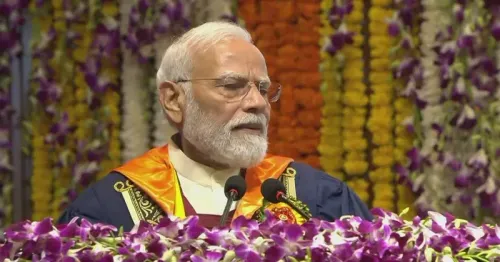
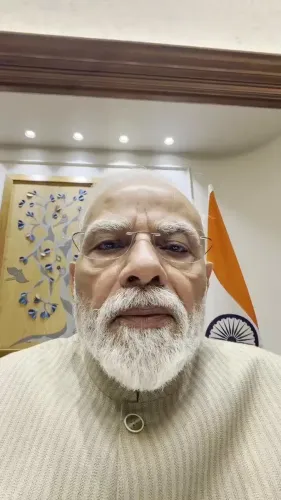
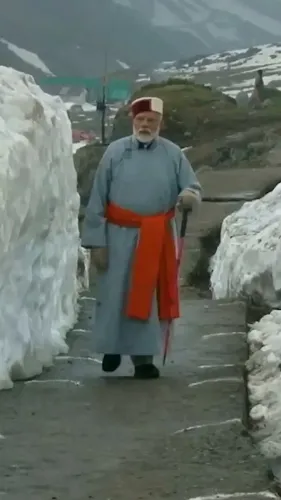
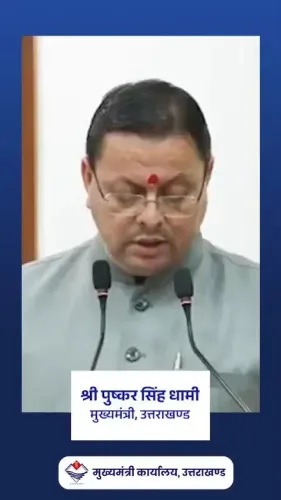
CM Pushkar Singh Dhami posted four images on 24 May 2026 showing PM Modi interacting warmly with schoolchildren.
Dhami described the moment as aatmiya mulaqaat — a heartfelt meeting with 'the future of the country.' PM Modi's domestic engagements routinely include structured interactions with students as part of his youth-focused public image.
The post reflects BJP state leaders' sustained practice of amplifying central leadership's child-centric governance moments on social media.
The interaction aligns thematically with the National Education Policy 2020 , which frames children as India's primary demographic asset.
Follow-up announcements on Uttarakhand school infrastructure and NEP milestones are anticipated in the coming assembly session.
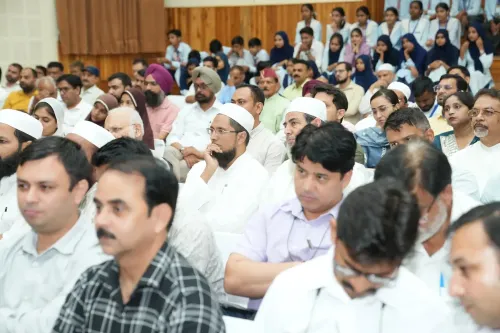
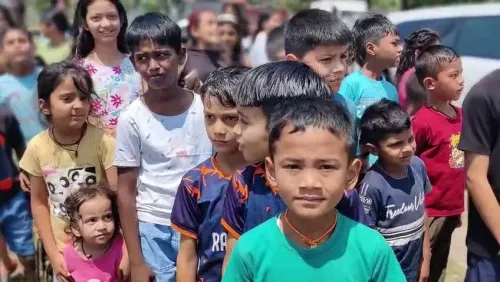
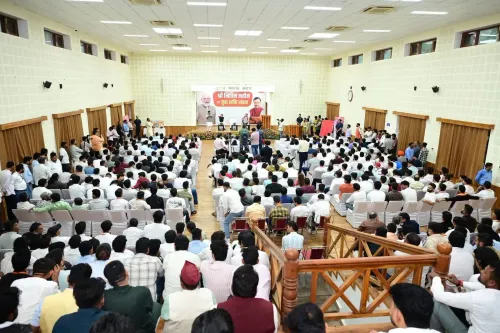
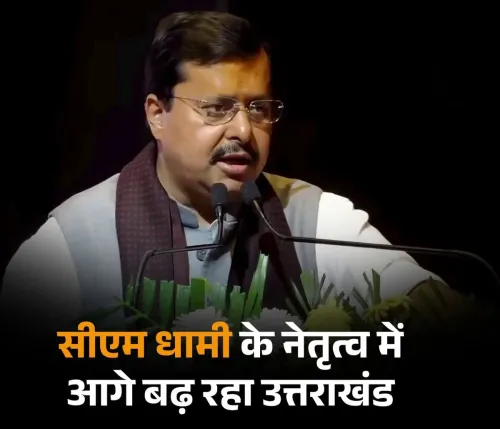
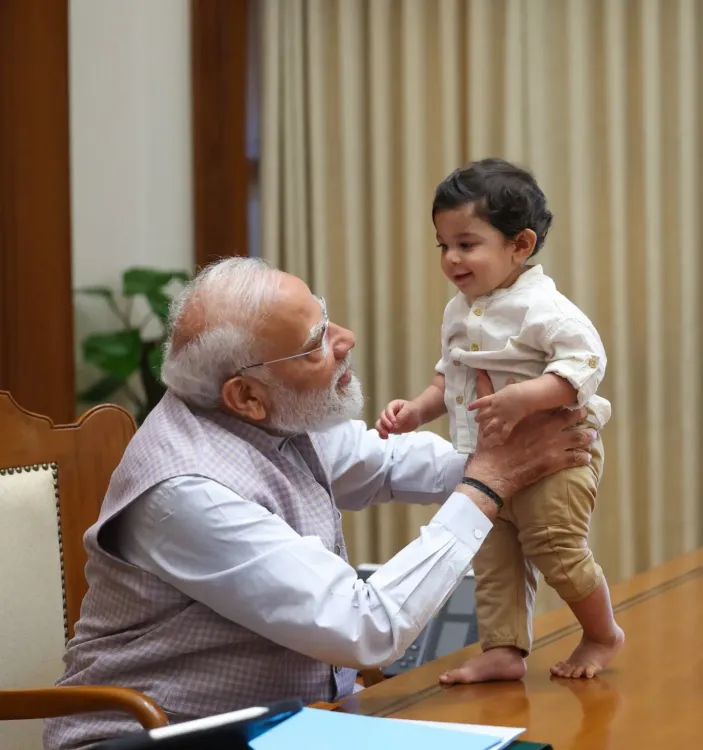
Uttarakhand Chief Minister Pushkar Singh Dhami on Sunday, 24 May 2026, shared photographs on X capturing Prime Minister Narendra Modi in a candid, affectionate interaction with schoolchildren, describing the moment as a heartfelt meeting with the country's future. The post, accompanied by four images, drew wide attention as a reflection of the Prime Minister's sustained engagement with India's youth.
Context
Dhami captioned the post in Hindi: 'देश के भविष्य से आत्मीय मुलाकात करते आदरणीय प्रधानमंत्री श्री @narendramodi जी..' — translated as 'Respected Prime Minister Shri Narendra Modi Ji having a heartfelt meeting with the future of the country.' The phrase aatmiya mulaqaat, meaning an intimate or soulful meeting, underscores the emotional register Dhami chose to frame the encounter. The four images shared alongside the caption depict the Prime Minister in close interaction with young students.
The exact venue and occasion of the interaction have not been independently confirmed, but Prime Minister Modi's domestic tours routinely incorporate structured meetings with schoolchildren as a visible element of his public engagements.
Policy Backdrop
The post arrives in the context of the National Education Policy (NEP) 2020, which placed foundational literacy, experiential learning, and early childhood development at the centre of India's education reform agenda. The policy explicitly frames children as the nation's primary demographic asset, a theme that resonates directly with Dhami's framing of students as 'the future of the country.'
Uttarakhand has been among the BJP-governed states working to align its school curriculum and infrastructure with NEP mandates. Follow-up announcements on school infrastructure upgrades and NEP implementation milestones in the state are expected to feature in the coming assembly session.
Stakeholders and Impact
The primary stakeholders in this narrative are India's schoolchildren and the state and central education departments responsible for translating policy intent into classroom outcomes. When the Prime Minister's interactions with students are amplified by state leaders like Dhami, it reinforces a political messaging ecosystem that links central leadership directly to education and the demographic dividend.
For Uttarakhand, a Himalayan state that has received multiple Prime Ministerial visits focused on development, such moments serve a dual purpose: they signal the state government's alignment with New Delhi's priorities and spotlight education as a shared governance concern between the state and the Centre.
What's Next
Observers of education policy will watch for concrete follow-through, particularly any announcements tied to Uttarakhand's NEP implementation roadmap or school infrastructure investment in the upcoming legislative session. Prime Minister Modi's child-centric public engagements have historically preceded or accompanied policy announcements in the education and skilling sectors. Whether this interaction translates into a specific programme or remains a symbolic moment of outreach will become clearer in the weeks ahead.
Point of View
A state still consolidating its NEP rollout, associating the Chief Minister's digital presence with the Prime Minister's youth outreach builds a coherent narrative of Centre-state alignment on education. The post's emotional register — choosing the word aatmiya — also suggests a deliberate effort to humanise policy continuity beyond statistics and scheme names.
NationPress
16 Sept 2026
Frequently Asked Questions
Why did CM Dhami post about PM Modi meeting schoolchildren?
CM Dhami shared the images to highlight Prime Minister Modi's affectionate engagement with students, framing it as a meeting with 'the future of the country' and signalling alignment with the Centre's child-centric governance approach.
What does 'aatmiya mulaqaat' mean in Dhami's post?
'Aatmiya mulaqaat' is a Hindi phrase meaning a heartfelt or intimate meeting. Dhami used it to describe PM Modi's warm interaction with schoolchildren in the photographs he shared.
How does PM Modi's interaction with children connect to NEP 2020?
The National Education Policy 2020 places children at the centre of India's development vision, describing them as the nation's primary demographic asset — a theme directly echoed in Dhami's description of students as 'the future of the country.'
What is Uttarakhand's role in implementing the National Education Policy?
Uttarakhand, governed by the BJP, has been working to align its school curriculum and infrastructure with NEP 2020 mandates, with further announcements on implementation milestones expected in upcoming state assembly sessions.
Does PM Modi regularly meet schoolchildren during his tours?
Yes, Prime Minister Modi's domestic tours routinely include structured interactions with students, which are widely seen as part of a sustained effort to project a youth-focused, child-centric governance image.