CM Dhami shares PM Modi's joint press meet with Japanese PM
Synopsis
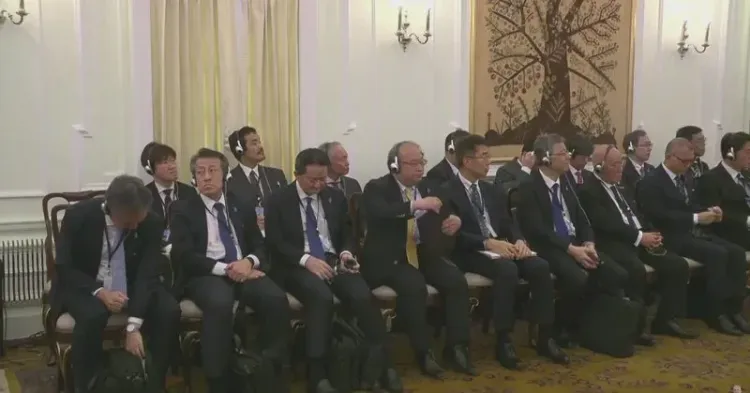
Uttarakhand CM Pushkar Singh Dhami amplified a live broadcast of PM Narendra Modi's joint press conference with Japanese PM Sanae Takaichi in New Delhi on 2 July 2026, spotlighting the latest chapter in India's Special Strategic and Global Partnership with Japan.
Key Takeaways
CM Pushkar Singh Dhami shared a live stream of PM Modi 's joint press meet with Japanese PM Sanae Takaichi on 2 July 2026 .
The meeting was held in New Delhi , continuing the tradition of annual India-Japan bilateral summits institutionalised since 2006 .
India and Japan share a Special Strategic and Global Partnership , upgraded during PM Modi 's 2014 Japan visit.
Key areas of bilateral focus include Quad cooperation, Indo-Pacific maritime security, high-speed rail, and supply-chain resilience.
Follow-up announcements on new agreements or investment pledges from the summit are expected in coming days.
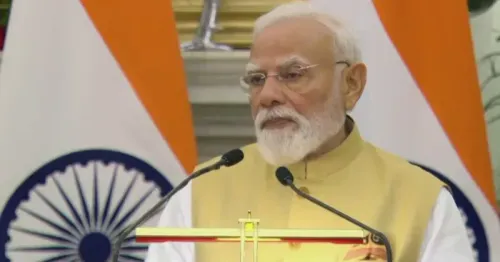
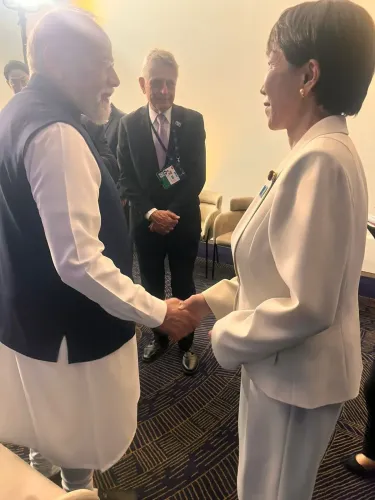
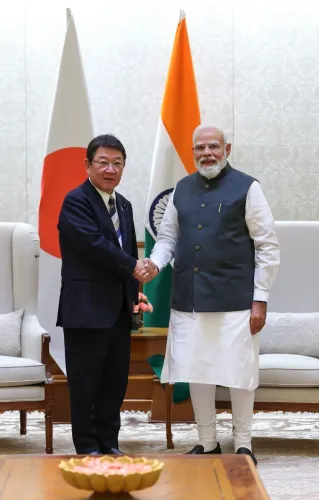
Uttarakhand Chief Minister Pushkar Singh Dhami shared a live broadcast on Thursday, 2 July 2026, of Prime Minister Narendra Modi addressing a joint press conference with Japanese Prime Minister Sanae Takaichi in New Delhi, drawing attention to the high-level bilateral engagement between India and Japan.
Context
The joint press meet, streamed live, brought together PM Modi and his Japanese counterpart at the national capital to address the media following what is understood to be a bilateral summit. CM Dhami, a senior BJP leader, amplified the event on social media, reflecting the party's practice of highlighting central government diplomatic milestones. The broadcast link shared points to a live stream of the proceedings.
Policy Backdrop
India and Japan have institutionalised annual summits since 2006, covering trade, defence, infrastructure and regional security. The relationship was elevated to a Special Strategic and Global Partnership during PM Modi's 2014 visit to Japan, and the two countries signed the Comprehensive Economic Partnership Agreement in 2011 to expand bilateral trade and investment. In recent years, cooperation has deepened through the Quad framework, Act East Policy, and joint projects in high-speed rail and smart cities.
Japan is among India's largest investors, with significant commitments in infrastructure, manufacturing, and defence technology. Maritime security and supply-chain resilience in the Indo-Pacific have emerged as focal points in recent leader-level engagements between the two nations.
Stakeholders and Impact
Indian businesses operating in manufacturing, infrastructure and defence technology stand to benefit from any new agreements or investment pledges that may emerge from the summit. The broader Indo-Pacific strategic community, including Quad partners, watches such bilateral engagements closely for signals on regional security architecture. Domestic industries linked to high-speed rail and smart-city projects — areas where Japan has been an active partner — are also key stakeholders.
For Uttarakhand, which has attracted Japanese investment interest in tourism and infrastructure, the summit-level relationship carries indirect economic significance as well.
What's Next
Analysts and policymakers will watch for follow-up announcements on new bilateral agreements, investment pledges, or joint defence exercises arising from the New Delhi meeting. Any outcomes are likely to be taken up for discussion in the Indian Parliament during the monsoon session. The trajectory of India-Japan ties — particularly on defence co-production and Indo-Pacific maritime cooperation — will be closely tracked in the weeks ahead.
Point of View
Projecting a unified national image. The India-Japan summit fits into a broader pattern of PM Modi's Indo-Pacific outreach, with each leader-level meeting serving as a platform to deepen defence, infrastructure and technology ties. The elevation of the relationship to a Special Strategic and Global Partnership has given these summits a structural weight beyond ceremonial diplomacy. Outcomes from this meeting — particularly on defence co-production and Quad coordination — will be a meaningful indicator of how far the partnership has matured.
NationPress
2 Jul 2026
Frequently Asked Questions
Why did CM Dhami share the PM Modi Japan press conference?
CM Pushkar Singh Dhami shared the live broadcast to amplify the central government's diplomatic engagement, a common practice among BJP state leaders during high-profile bilateral events.
What is India's relationship with Japan?
India and Japan share a Special Strategic and Global Partnership, upgraded in 2014, covering trade, defence technology, infrastructure, and Indo-Pacific maritime security cooperation.
When did PM Modi meet the Japanese Prime Minister in New Delhi?
The joint press conference took place on 2 July 2026 in New Delhi, as part of an India-Japan bilateral summit.
What is the Quad and how does Japan fit in?
The Quad is a strategic grouping of India, Japan, the United States and Australia focused on a free and open Indo-Pacific; Japan is a core partner alongside India in this framework.
What agreements could come out of the India-Japan summit 2026?
Analysts expect possible announcements on investment pledges, defence co-production, high-speed rail progress and supply-chain cooperation, with details likely to follow in the coming days.