CM Dhami targets appeasement politics, backs transparency
Synopsis
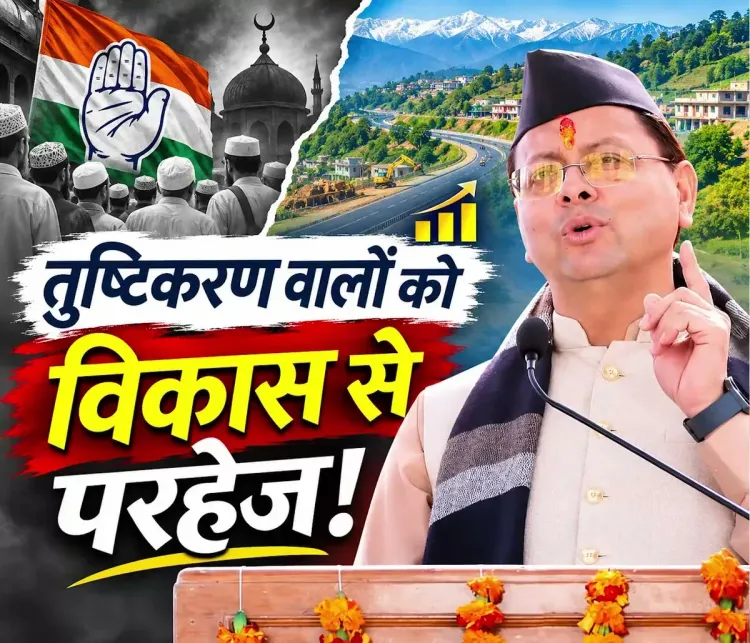
Uttarakhand Chief Minister Pushkar Singh Dhami on 9 November 2026 declared that those who practise appeasement politics are uncomfortable with transparency and good governance, sharpening the BJP's long-running governance-versus-appeasement political frame in the state.
Key Takeaways
CM Pushkar Singh Dhami posted on X on 9 November 2026 targeting appeasement-driven politics.
His statement asserted that practitioners of appeasement politics are uncomfortable with transparency and good governance .
No specific opponent or legislative trigger was named in the post, though a video was attached.
The BJP has deployed a consistent 'governance versus appeasement' rhetorical frame in Uttarakhand since its 2017 and 2022 assembly election victories.
Opposition parties, chiefly state Congress, are expected to respond ahead of the next assembly session.
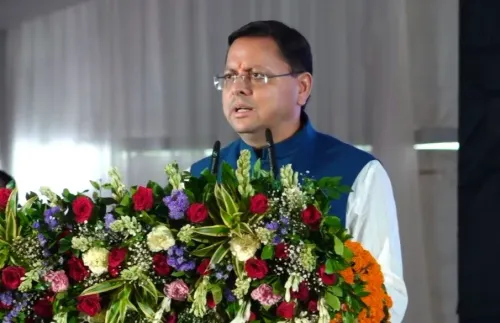
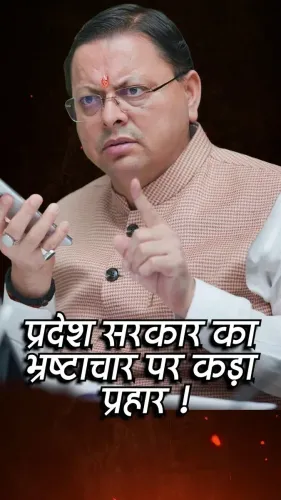
A sharp political broadside landed on Monday evening when Uttarakhand Chief Minister Pushkar Singh Dhami took to X to fire at what he called appeasement-driven politics, asserting that those who practise it cannot stomach transparency and good governance.
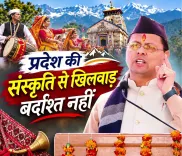
Posting on 9 November 2026, Dhami wrote: 'Tushtikaran ki rajneeti karne walon ko pardarshita aur sushasan raas nahi aa raha hai' — 'Those who practise the politics of appeasement are uncomfortable with transparency and good governance.' No specific trigger or opponent was named, but the target was unmistakable to anyone watching Uttarakhand's political landscape.
The 'appeasement versus governance' frame Dhami keeps reaching for
The charge is not new — but its consistency is the point. Since the BJP swept back to power in Uttarakhand in the 2022 assembly election, Dhami's administration has repeatedly framed its record in terms of transparent delivery and an explicit rejection of vote-bank calculus. The same contrast — good governance on one side, appeasement on the other — has run through BJP political communication in the state since at least the 2017 victory that first brought the party to power here.
The rhetorical architecture is deliberate: by positioning transparency as the antithesis of appeasement, the ruling party forces its opponents into an uncomfortable corner — either defend the charge or rebut the governance record. Opposition parties, chiefly state Congress leaders, have consistently pushed back, arguing that welfare programmes targeted at marginalised communities are not appeasement but constitutional obligation.
Why the timing keeps the pressure on the opposition
With no specific legislation or scheme named in the post, Dhami's statement reads as a political temperature-setter — the kind of broad-brush salvo that tends to precede assembly-session skirmishes or pre-election positioning cycles. State-level political observers will be watching whether Congress or other opposition voices respond before Uttarakhand's next legislative calendar opens, since any rebuttal risks amplifying the original charge rather than neutralising it.
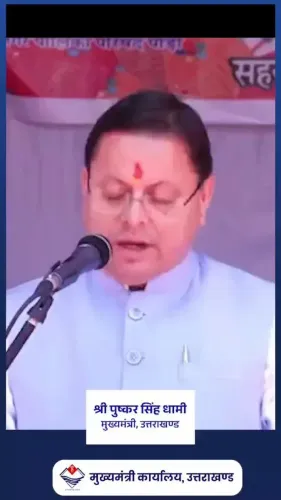
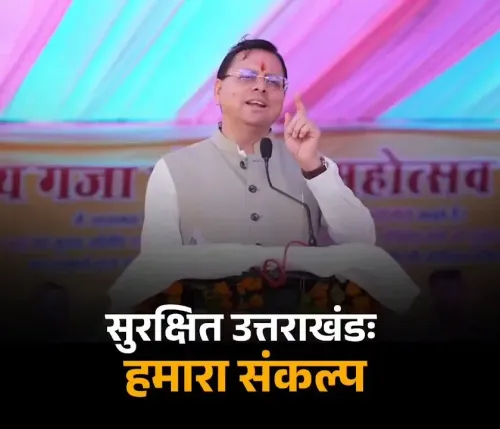
The post, brief as it is, arrives with a video attached — a detail that suggests the remark is part of a coordinated communication push rather than an offhand observation. The fuller context of that video could sharpen or widen the target considerably.
Dhami has governed Uttarakhand through a period of high administrative ambition — from the Uniform Civil Code push to infrastructure drives in the hill districts. Each of those moves has been framed, in BJP messaging, as governance free of the compromises appeasement demands. Monday's post plants the same flag again, with the bluntness of a chief minister who has no election immediately ahead and every reason to shape the narrative now.
Point of View
It maximises political surface area: any pushback risks being read as a defence of appeasement itself. The timing, absent an immediate electoral trigger, suggests the party is laying rhetorical groundwork — either for an upcoming session, a scheme announcement, or a longer pre-election narrative cycle in Uttarakhand.
NationPress
9 Nov 2026
Frequently Asked Questions
What did Uttarakhand CM Dhami say about appeasement politics?
On 9 November 2026 , CM Pushkar Singh Dhami posted on X saying that those who practise the politics of appeasement are uncomfortable with transparency and good governance.
Who is Pushkar Singh Dhami?
Pushkar Singh Dhami is the Chief Minister of Uttarakhand and a BJP leader who assumed office in 2021 and was re-elected after the party's victory in the 2022 Uttarakhand assembly elections .
What does 'tushtikaran ki rajneeti' mean?
'Tushtikaran ki rajneeti' is a Hindi phrase meaning 'the politics of appeasement', commonly used in Indian political discourse to refer to policies perceived as catering to specific religious or caste vote-banks at the expense of broader governance.
Is this the first time Dhami has attacked appeasement politics?
No. The BJP in Uttarakhand has consistently framed its governance record against appeasement rhetoric since at least the 2017 assembly election, and Dhami has repeatedly used this contrast throughout his tenure as Chief Minister.
How have opposition parties responded to Dhami's governance claims?
State Congress leaders have generally argued that targeted welfare programmes for marginalised communities are a constitutional obligation, not appeasement — though no formal response to the 9 November 2026 post has been confirmed.