CM Dhami Touts UCC and Madrasa Overhaul at Dehradun Beneficiary Meet
Synopsis
Uttarakhand CM Pushkar Singh Dhami addressed a Dehradun beneficiary conference on August 2, announcing the dissolution of the Uttarakhand Madrasa Board in favour of a new State Minority Education Authority, and reaffirming the state's landmark Uniform Civil Code as a guarantee of equal rights for women.
Key Takeaways
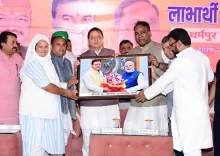
CM Pushkar Singh Dhami spoke at a Labhaarthi Sammelan organised by the BJP's Alpasankhyak Morcha Mahanagar in Dehradun on August 2, 2026 .
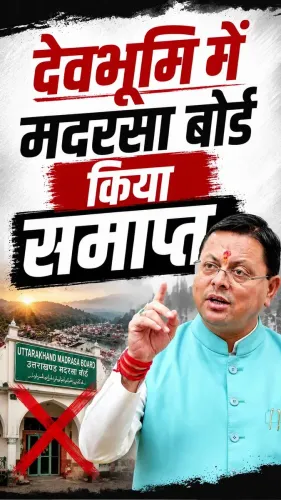
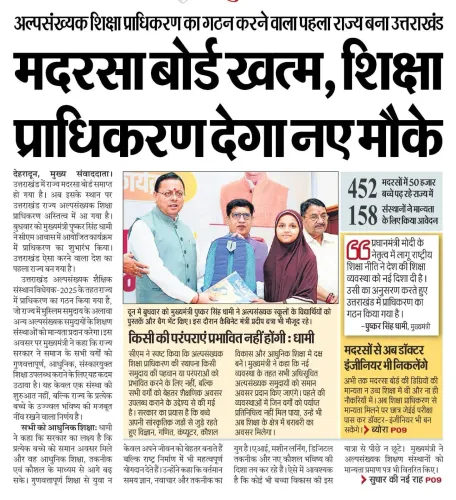
The Uttarakhand Madrasa Board has been dissolved and replaced by the State Minority Education Authority to promote modern, quality education.
Uttarakhand became the first state in independent India to pass a Uniform Civil Code , with the bill cleared in February 2024 .
The UCC replaces religion-based personal laws with a single civil framework, with a stated focus on equal rights for women .
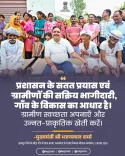
Beneficiaries at the conference shared how central and state welfare schemes had improved their lives.
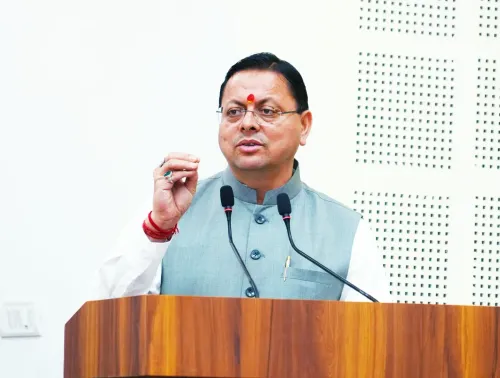
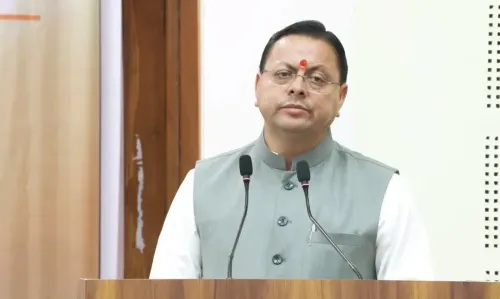
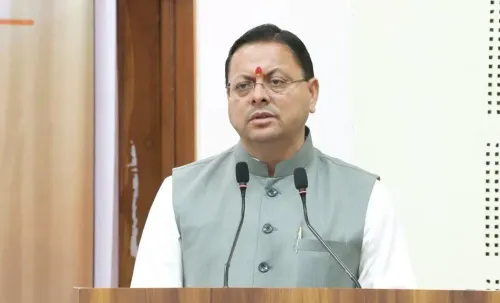
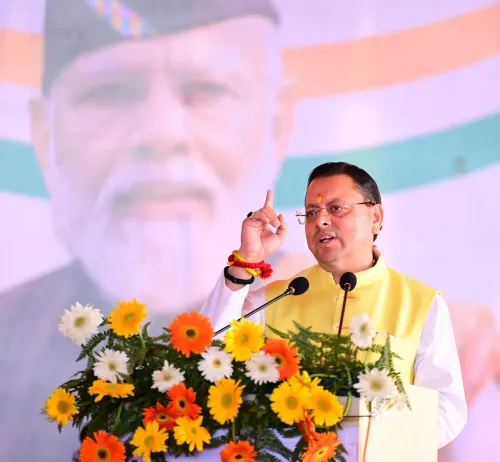
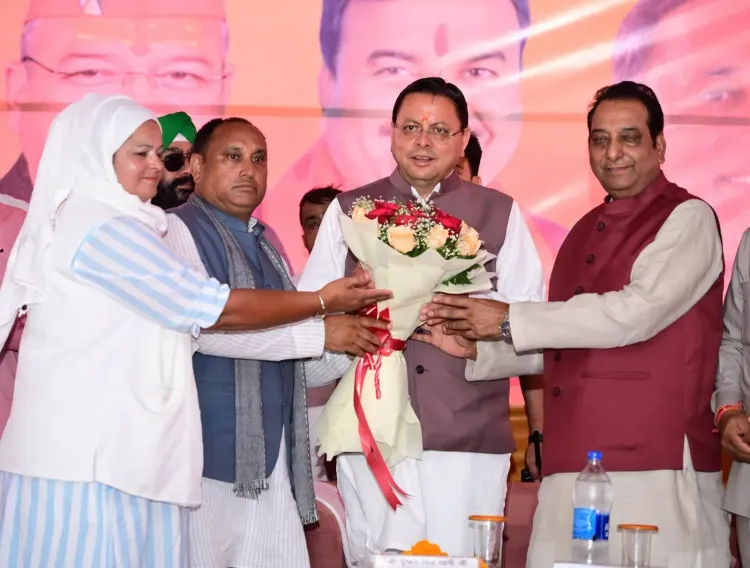
Two landmark reforms — the scrapping of the Uttarakhand Madrasa Board and the rollout of the Uniform Civil Code — took centre stage on Sunday, August 2, 2026, as Uttarakhand Chief Minister Pushkar Singh Dhami addressed a beneficiary conference in Dehradun, organised by the Alpasankhyak Morcha Mahanagar (Minority Front, Dehradun City Unit).
Speaking at the Labhaarthi Sammelan (beneficiary conference), Dhami engaged directly with residents who shared how central and state government welfare schemes had changed their lives. The gathering, convened by the BJP's minority wing, became a platform for the Chief Minister to outline two of his government's most consequential structural decisions.
Madrasa Board Out, State Minority Education Authority In
Dhami announced that his government has dissolved the Uttarakhand Madrasa Board and replaced it with the newly constituted State Minority Education Authority. The Chief Minister framed the shift as a move toward 'modern and quality education' for minority communities — replacing a community-specific regulatory body with a single statewide authority.
The Madrasa Board had long governed the curriculum and recognition of Islamic seminaries in the state. Its dissolution marks a significant restructuring of how Uttarakhand administers minority education, though the precise operational launch of programs under the new authority is yet to be publicly confirmed.
Uttarakhand's UCC: A First in Post-Independence India
Dhami also reiterated the significance of the Uniform Civil Code (UCC), describing it as a 'historic step' toward ensuring equal rights, dignity, and justice for women. Uttarakhand became the first state in independent India to pass such legislation when its Legislative Assembly cleared the UCC Bill in February 2024.
The code replaces religion-based personal laws governing marriage, divorce, inheritance, and adoption with a single civil framework applicable to all citizens regardless of faith. For women in particular, proponents argue it levels a legal playing field that varied sharply across communities under the old system.
BJP's Minority Wing as the Messenger
The choice of venue is itself a signal. By delivering these announcements at a conference organised by the BJP's own minority front — and to an audience of scheme beneficiaries — Dhami's government is actively working to build a constituency for reforms that have drawn both praise and scrutiny. The beneficiary format puts lived experience at the front of the political argument: welfare delivery as proof of intent.
Both the education restructuring and the UCC fit a broader pattern in BJP-governed states of replacing community-specific legal and institutional frameworks with uniform statewide mechanisms. Whether the State Minority Education Authority translates its mandate into accessible, quality schooling — and how UCC implementation plays out in family courts and inheritance disputes — will determine whether Sunday's conference marks a milestone or a talking point.
Point of View
And whether UCC provisions survive social and judicial scrutiny in Uttarakhand's diverse hill districts.
NationPress
2 Aug 2026
Frequently Asked Questions
What is the Uttarakhand State Minority Education Authority?
The State Minority Education Authority is a new body established by the Uttarakhand government to oversee modern and quality education for minority communities, replacing the dissolved Uttarakhand Madrasa Board .
Why was the Uttarakhand Madrasa Board dissolved?
The Uttarakhand government dissolved the Madrasa Board to shift from a community-specific regulatory structure toward a unified statewide authority focused on modern, quality education for minority students.
Which state was first to implement the Uniform Civil Code in India?
Uttarakhand became the first state in independent India to pass a Uniform Civil Code , with its Legislative Assembly clearing the bill in February 2024 .
What does the Uttarakhand UCC mean for women?
The Uniform Civil Code replaces religion-based personal laws on marriage, divorce, inheritance, and adoption with a single civil framework, which proponents say ensures equal legal rights and dignity for women across all communities.
What was the Labhaarthi Sammelan in Dehradun?
The Labhaarthi Sammelan was a beneficiary conference organised by the BJP's Alpasankhyak Morcha Mahanagar (Minority Front, Dehradun City Unit) on August 2, 2026 , where residents shared how government welfare schemes had improved their lives.