CM Dhami: Uttarakhand to Become Global Science and Tech Hub
Synopsis
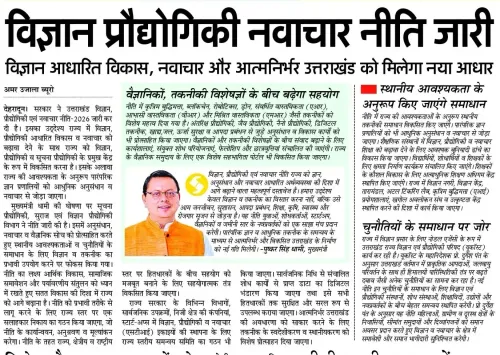
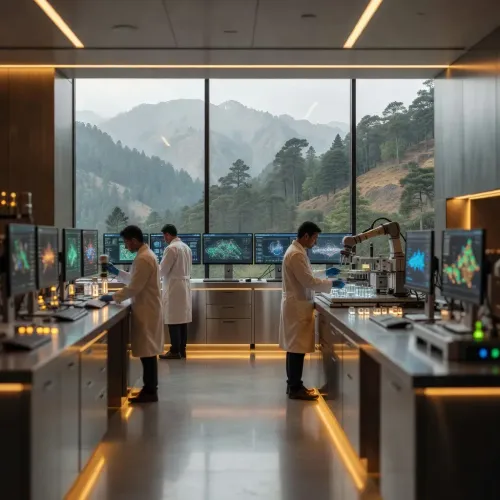
Chief Minister Pushkar Singh Dhami has declared that the Uttarakhand government is working with full commitment to make the state a global hub for science, technology, and modern research, signalling a continued push to diversify the state's economy beyond tourism.
Key Takeaways
CM Pushkar Singh Dhami on 20 July 2026 reaffirmed Uttarakhand's ambition to become a global science and technology hub.
The statement was shared by the official Chief Minister's Office of Uttarakhand on X.
Uttarakhand's IT and Electronics Policy 2022 provides the existing policy framework for this technology push.
IIT Roorkee and other academic institutions give the state a credible base for research-led growth.
Key stakeholders include tech startups, research institutions, and students who stand to benefit from expanded investment.
Budget allocations for research parks and MoUs with central agencies will be critical indicators of follow-through.
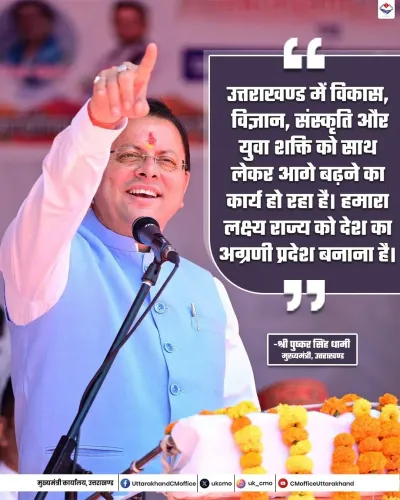
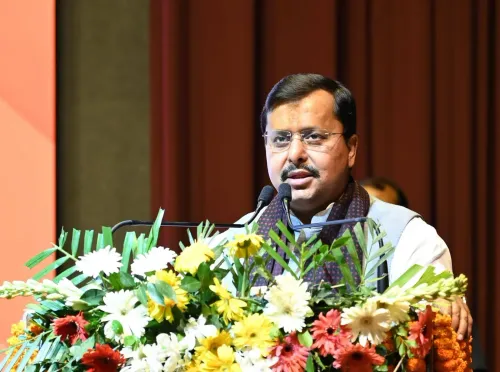
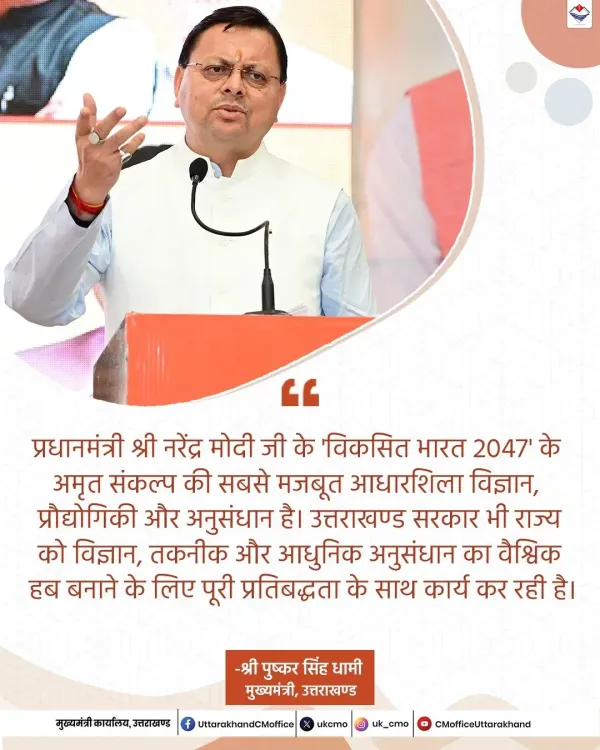
The Chief Minister's Office of Uttarakhand on Monday, 20 July 2026, shared a statement by Chief Minister Pushkar Singh Dhami reaffirming the state government's commitment to transforming Uttarakhand into a global hub for science, technology, and modern research.
In the post, CM Dhami was quoted in Hindi: 'उत्तराखण्ड सरकार राज्य को विज्ञान, तकनीक और आधुनिक अनुसंधान का वैश्विक हब बनाने के लिए पूरी प्रतिबद्धता के साथ कार्य कर रही है।' — translated as: 'The Uttarakhand government is working with full commitment to make the state a global hub of science, technology, and modern research.'
Context
Uttarakhand is a northern Himalayan state with significant academic infrastructure, including IIT Roorkee, one of India's premier technical institutions. The state has historically relied on tourism and agriculture, but successive governments have sought to diversify the economy toward knowledge-based and technology-driven sectors.
CM Pushkar Singh Dhami, who has led the state since 2021, has consistently positioned Uttarakhand as an investment and innovation destination. This statement fits within a broader narrative the government has been building around modernisation and economic diversification.
Policy Backdrop
Uttarakhand's IT and Electronics Policy 2022 laid foundational groundwork for attracting technology companies and startups to the state, offering infrastructure support and incentives. The policy was aligned with national frameworks including the National Education Policy 2020 and the Atmanirbhar Bharat initiative, which encouraged states to develop indigenous research and manufacturing capacity.
Several Indian states have made similar aspirational declarations, positioning themselves as science and technology destinations by leveraging existing academic clusters. Uttarakhand's strategy distinguishes itself by combining its established research institutions with the appeal of its natural environment to attract talent and investment.
Stakeholders and Impact
The primary beneficiaries of such a push would be technology startups, research institutions, and students within and outside the state. A credible transition toward a science and technology hub could create employment opportunities and reduce the state's dependence on seasonal tourism revenue.
Central scientific agencies and private sector research players are also potential stakeholders, as state-level ambitions of this scale typically require partnerships and Memoranda of Understanding (MoUs) with national bodies such as CSIR, DST, or leading private technology firms.
What's Next
Observers will watch the state's upcoming budget allocations for any new research parks, science cities, or dedicated technology corridors that could give operational shape to CM Dhami's stated commitment. Concrete announcements around land allocation, funding, or institutional partnerships would signal how far the government intends to move beyond policy declarations.
If Uttarakhand follows through with measurable investments, it could emerge as a model for other mid-sized Himalayan states seeking to build knowledge economies alongside their traditional sectors.
Point of View
Aspirational declarations of this kind carry weight only when backed by budget commitments and institutional partnerships, neither of which has been confirmed at this stage. The real test will come in the state's next budget cycle, where allocations for science cities or research corridors will reveal whether this is strategic intent or routine political messaging.
NationPress
21 Jul 2026
Frequently Asked Questions
What did CM Pushkar Singh Dhami say about Uttarakhand's technology ambitions?
CM Pushkar Singh Dhami stated that the Uttarakhand government is working with full commitment to make the state a global hub of science, technology, and modern research.
What is Uttarakhand's current technology policy?
Uttarakhand's IT and Electronics Policy 2022 aims to create infrastructure for technology companies and startups in the state, aligned with national initiatives like Atmanirbhar Bharat.
Which institutions support Uttarakhand's science and technology ambitions?
IIT Roorkee, one of India's premier technical institutions, is a key anchor for the state's research and technology ecosystem.
Who are the main beneficiaries of Uttarakhand's technology hub push?
Technology startups, research institutions, students, and potential investors are the primary stakeholders who stand to benefit from Uttarakhand's science and technology development plans.
What should we watch for next regarding Uttarakhand's tech hub plans?
Key indicators will include the state's upcoming budget allocations for research parks or science cities, and any MoUs signed with central scientific agencies or private sector technology players.