CM Dhami Vows to Make Uttarakhand Top Investment Hub
Synopsis
Chief Minister Pushkar Singh Dhami has reaffirmed that the Uttarakhand government is resolved to make the state India's foremost investment-friendly destination. The statement, shared by the official CMO account, underscores the state's ongoing push to attract domestic and foreign capital and diversify its tourism-dependent economy.
Key Takeaways
CM Pushkar Singh Dhami declared on 21 July 2026 that the state government is committed to making Uttarakhand India's leading investment-friendly state.
The statement was shared by the official Chief Minister's Office account on X, signalling a formal government position.
Uttarakhand's economy has historically relied on tourism, hydropower, and agriculture; the state is now actively courting manufacturing and services investment.
The 2017 Industrial Policy of Uttarakhand offered incentives and land concessions to attract industrial units, forming the policy foundation for current efforts.
Indian states including Gujarat , Tamil Nadu , and Telangana are peers against whom Uttarakhand is benchmarking its ease-of-doing-business reforms.
Key stakeholders include investors, MSMEs , and the local workforce , with youth out-migration a persistent challenge the investment push aims to address.
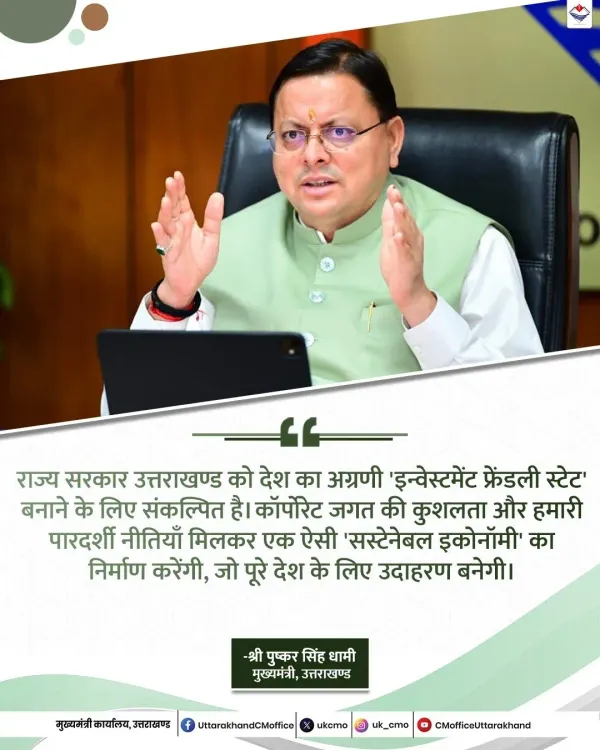
The Chief Minister's Office of Uttarakhand on Tuesday, 21 July 2026 shared a statement from Chief Minister Pushkar Singh Dhami reaffirming the state government's commitment to positioning Uttarakhand as the country's leading investment-friendly destination.
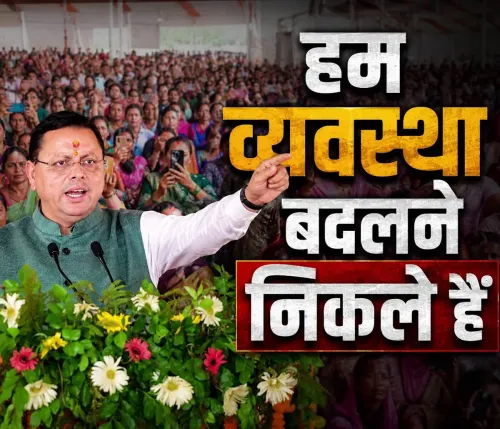
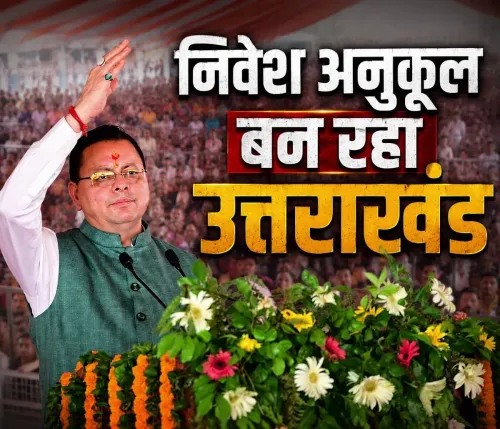
In his statement, CM Dhami declared: 'राज्य सरकार उत्तराखण्ड को देश का अग्रणी इन्वेस्टमेंट फ्रेंडली स्टेट बनाने के लिए संकल्पित है' — meaning 'The state government is resolved to make Uttarakhand the country's foremost investment-friendly state.'
Context
Uttarakhand, a Himalayan state in northern India, has historically depended on tourism, hydropower, and agriculture as its economic pillars. Over the past several years, successive state governments have sought to diversify this base by attracting manufacturing and services-sector investment. CM Dhami, who has been in office since 2021, has repeatedly centred industrial growth and ease-of-doing-business reforms as priorities of his administration.
The statement reflects a sustained political messaging effort to signal to domestic and foreign investors that Uttarakhand is open for business and offers a conducive regulatory environment.
Policy Backdrop
Uttarakhand's Industrial Policy of 2017 laid an early foundation for this ambition, offering incentives and land concessions to attract industrial units beyond the state's plains districts. The policy was designed to leverage the state's connectivity improvements and proximity to the National Capital Region.
Across India, states compete intensely on ease-of-doing-business metrics assessed by the Department for Promotion of Industry and Internal Trade (DPIIT). Peers such as Gujarat, Tamil Nadu, and Telangana have set benchmarks that Uttarakhand is now explicitly seeking to match or surpass through similar positioning and reform signalling.
Stakeholders and Impact
The primary beneficiaries of a successful investment-friendly drive would be investors — both domestic and foreign — seeking to establish units in a hill state with improving infrastructure. Micro, small and medium enterprises (MSMEs) stand to gain from any accompanying incentive structures, while the local workforce could see expanded employment opportunities if new industrial capacity materialises.
For residents of Uttarakhand, where youth out-migration to plains cities has been a persistent concern, industrial investment represents a potential lever for local job creation and economic retention.
What's Next
Observers will watch for the release of updated state industrial investment data and any follow-up announcements — such as a fresh investor summit or a revised industrial policy — in the ongoing or upcoming assembly session. The government's resolve, as stated by CM Dhami, will be tested against the concrete policy steps and capital commitments that follow.
If Uttarakhand succeeds in translating this political commitment into measurable ease-of-doing-business improvements and verifiable investment inflows, it could shift the state's economic profile significantly over the next decade — reducing its dependence on seasonal tourism revenue and building a more resilient, diversified economy.
Point of View
More industrialised states have historically dominated. The statement carries political weight as a signal to industry chambers and potential investors, but its credibility will hinge on follow-through — specifically, whether a new policy instrument or investor event is announced in the near term. Uttarakhand's geographic constraints and infrastructure gaps make the task harder than comparable plains-state pitches, which means the government will need differentiated incentives rather than generic reform rhetoric. Sustained momentum on this front could, however, give the ruling dispensation a tangible economic narrative heading into future electoral cycles.
NationPress
21 Jul 2026
Frequently Asked Questions
What did CM Pushkar Singh Dhami say about Uttarakhand's investment policy?
CM Dhami stated that the state government is resolved to make Uttarakhand the country's foremost investment-friendly state, as shared by the official Chief Minister's Office on 21 July 2026.
What is Uttarakhand's current industrial policy?
Uttarakhand's foundational industrial policy dates to 2017 and offers incentives and land concessions to attract units outside the plains districts; the current government has been building on this framework with ease-of-doing-business reforms.
How does Uttarakhand compare to other states on ease of doing business?
Uttarakhand competes on ease-of-doing-business metrics assessed by the DPIIT, benchmarking itself against leading states such as Gujarat, Tamil Nadu, and Telangana, which have set high standards for investor-friendly environments.
Who benefits from Uttarakhand becoming an investment-friendly state?
The main beneficiaries would be domestic and foreign investors, MSMEs seeking incentives, and the local workforce — particularly youth who currently migrate to plains cities for employment.
What should investors watch for next from Uttarakhand?
Investors and observers should watch for the release of updated state industrial investment data and any announcement of a new investor summit or revised industrial policy in the upcoming assembly session.