CM Dhami Warns: No Corruption in Uttarakhand, Scamsters Will Go to Jail
Synopsis
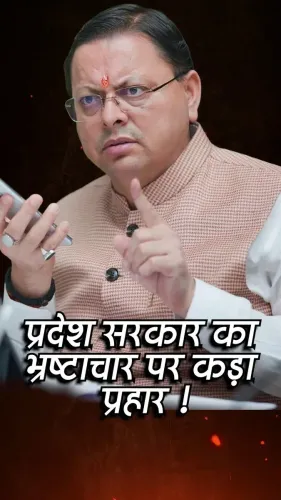
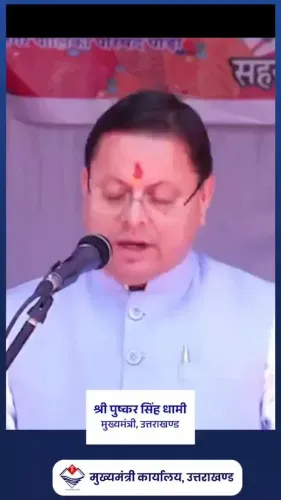
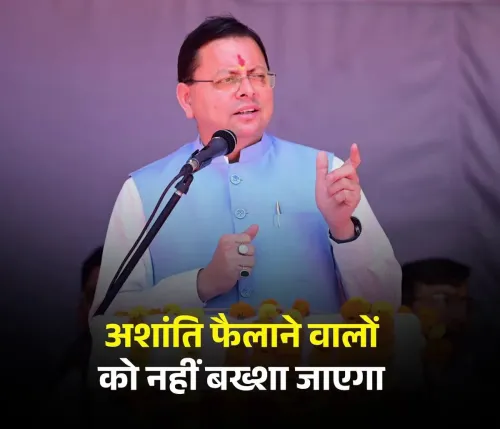
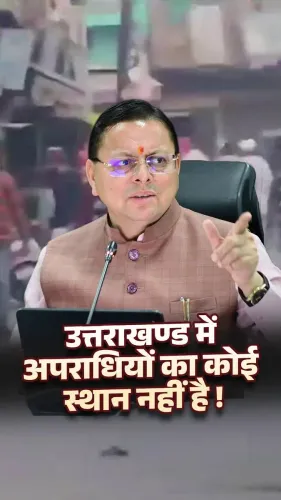
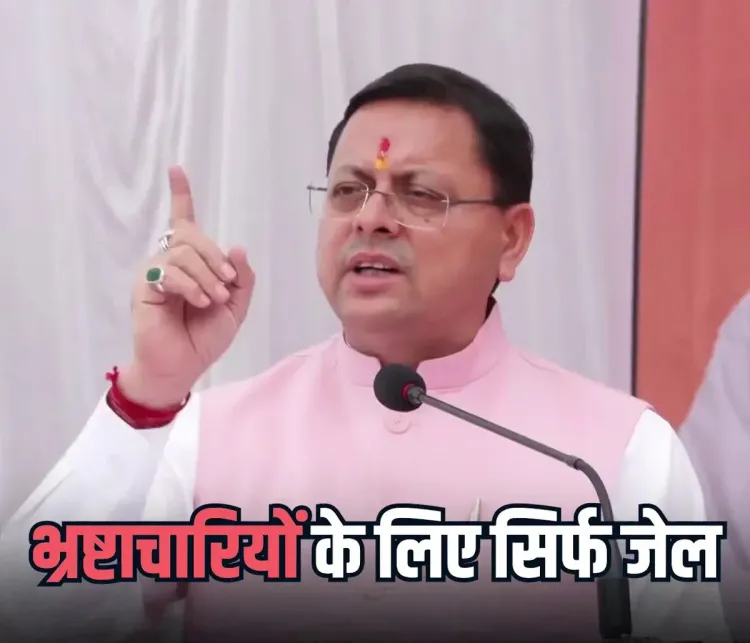
Uttarakhand Chief Minister Pushkar Singh Dhami on 21 June 2026 issued a blunt warning that corruption will not be tolerated in the state and that those who indulge in graft will face jail — reinforcing the BJP's zero-tolerance governance stance.
Key Takeaways
CM Pushkar Singh Dhami posted a zero-tolerance anti-corruption warning on 21 June 2026 .
He stated in Hindi that 'scamsters will not be spared' and their 'only place in Uttarakhand is jail.' The BJP has governed Uttarakhand since 2017 , with anti-corruption as a stated policy pillar.
Institutional tools such as e-governance portals and the state vigilance commission have been deployed under this framework.
No specific case or individual was named in the post; the statement is a broad governance signal.
Follow-up action by the Uttarakhand vigilance department will be the key test of the declaration's impact.
Uttarakhand Chief Minister Pushkar Singh Dhami issued a sharp anti-corruption warning on Sunday, 21 June 2026, declaring that neither graft nor those who indulge in it will be tolerated in the state, and that jail is the only place reserved for such individuals.
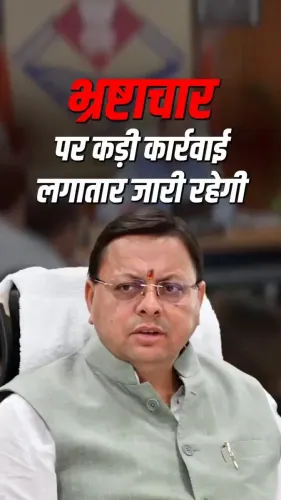
Posting in Hindi on X, CM Dhami wrote: 'न भ्रष्टाचार बर्दाश्त होगा, न घोटालेबाज बचेंगे। उत्तराखंड में उनकी जगह सिर्फ जेल है।' — translated: 'Corruption will not be tolerated, scamsters will not be spared. In Uttarakhand, their only place is jail.'
Context
CM Dhami, who has led Uttarakhand since 2021, has consistently positioned administrative accountability as a defining theme of his tenure. The statement, brief and unambiguous, signals a renewed public commitment to zero tolerance for corruption within state government departments and institutions. The post carried no reference to a specific case, but its categorical language suggests a deliberate governance message directed at officials and the public alike.
Policy Backdrop
The Bharatiya Janata Party (BJP) came to power in Uttarakhand in 2017 with a mandate that included stricter vigilance mechanisms against graft across state departments. Since then, the government has pushed for e-governance portals and strengthened the role of the state vigilance commission as institutional tools to curb corruption. CM Dhami's statement fits squarely within the BJP's national messaging framework, which has consistently framed anti-corruption drives as central to its governance identity across the states it rules.
Across multiple BJP-governed states, similar declarations have been followed by departmental inquiries, transfers of officials under scrutiny, and referrals to vigilance or economic offences units. The pattern underscores that such public statements often serve as precursors to — or accompaniments of — institutional action.
Stakeholders and Impact
The most immediate audience for the warning is the Uttarakhand state bureaucracy, where officials across departments are put on notice that corrupt conduct carries serious legal consequences. For ordinary residents of the Himalayan state, the message reinforces the government's stated commitment to clean administration — a concern that consistently ranks high in public surveys on governance. Civil society groups and opposition parties in the state are likely to watch for concrete follow-through, including specific prosecutions or departmental actions, to assess whether the declaration translates into measurable accountability.
The post's wide circulation on social media also signals that the CM's office is using direct digital communication to set the tone for governance expectations, bypassing traditional channels and speaking directly to citizens.
What's Next
The key indicator will be action by the Uttarakhand vigilance department in the weeks and months ahead — whether in the form of fresh inquiries, arrests, or high-profile prosecutions. Political observers will also track whether this statement is followed by specific policy announcements, such as expanded e-governance coverage or revised departmental audit protocols. If institutional follow-through matches the rhetorical force of CM Dhami's post, it could reinforce the BJP's anti-corruption credentials ahead of future electoral cycles in the state.
Point of View
High-voltage post is a calculated governance signal — the kind of direct digital messaging that BJP chief ministers have increasingly favoured to set public expectations and put bureaucracies on notice simultaneously. The absence of any named case or individual makes it a systemic warning rather than a targeted political attack, which broadens its administrative resonance. It fits a well-established BJP pattern of pairing rhetorical zero-tolerance declarations with institutional mechanisms such as vigilance commissions and e-governance audits. The real political test, however, lies in measurable follow-through: without visible prosecutions or departmental actions, such statements risk being read as pre-electoral posturing rather than substantive governance.
NationPress
21 Jun 2026
Frequently Asked Questions
What did Uttarakhand CM Pushkar Singh Dhami say about corruption?
CM Dhami declared on 21 June 2026 that corruption will not be tolerated in Uttarakhand and that scamsters will not be spared, stating that jail is the only place reserved for them in the state.
Is Uttarakhand taking action against corruption in 2026?
CM Dhami's post signals a strong public commitment to anti-corruption action, though specific departmental inquiries or prosecutions by the Uttarakhand vigilance department will confirm the extent of on-ground action.
Which party governs Uttarakhand and what is its stance on corruption?
The Bharatiya Janata Party has governed Uttarakhand since 2017 and has consistently positioned anti-corruption as a core governance plank, backed by e-governance portals and a state vigilance commission.
Who is Pushkar Singh Dhami?
Pushkar Singh Dhami is the Chief Minister of Uttarakhand and a BJP leader who has held the post since 2021, known for public statements on governance, development, and administrative accountability.
What happens to corrupt officials in Uttarakhand under CM Dhami?
According to CM Dhami's statement, corrupt individuals and scamsters in Uttarakhand face jail, reflecting the state government's stated zero-tolerance policy on graft.