CM DK Shivakumar pays tribute to pourakarmika pioneer I.P.D. Salappa
Synopsis
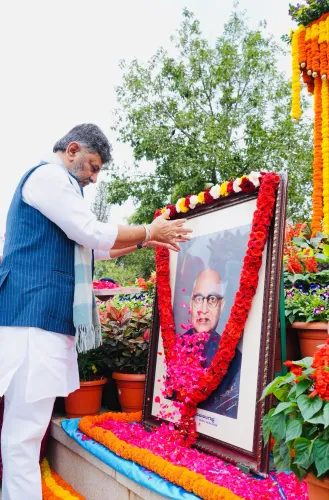
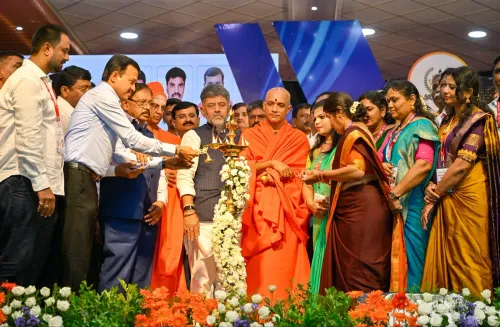
Chief Minister D.K. Shivakumar led a floral tribute to I.P.D. Salappa, the founding figure of Bengaluru's pourakarmika labour movement, at the GBA main office on 25 September 2026, joined by three cabinet ministers in a ceremony honouring sanitation workers' history.
Key Takeaways
Shivakumar paid tribute to I.P.D.
Salappa at the GBA headquarters in Bengaluru on 25 September 2026 .
Salappa is recognised as the 'father of pourakarmikas' for organising Bengaluru's sanitation workers in the mid-20th century.
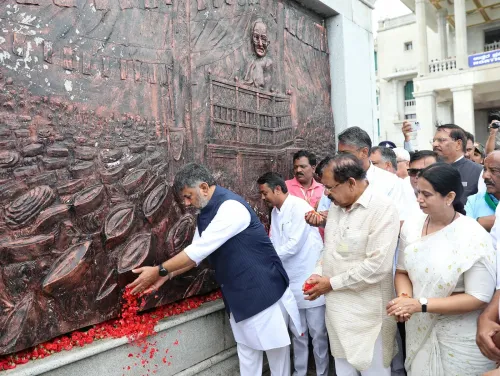
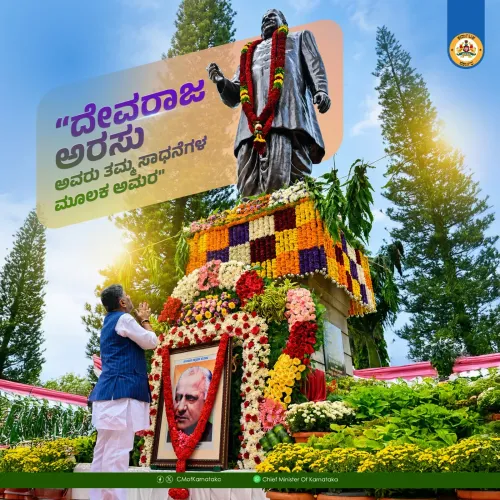
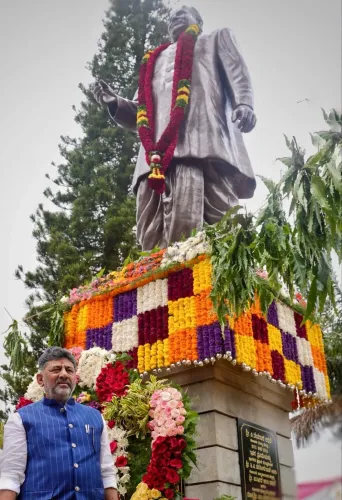
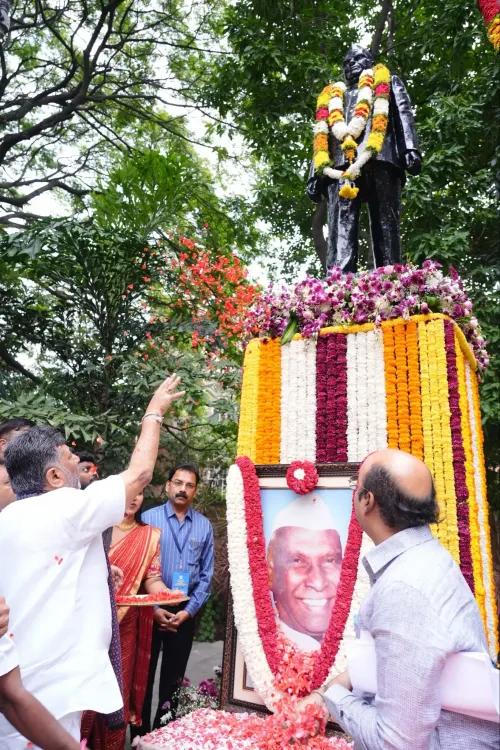
The ceremony included garlanding of both a portrait and a statue of Salappa, with tributes paid to other unnamed labour pioneers.
Ministers Yatindra Siddaramaiah , H.C.
Balakrishna , and P.M.
Narendraswami were present at the event.
The tribute was held on the premises of the GBA (Greater Bengaluru Authority) , Bengaluru's civic administrative body.
Before the bureaucratic machinery of Karnataka's civic governance begins its daily grind, its Chief Minister paused on Friday, 25 September 2026, to bow before the man credited with giving sanitation workers their first voice. Chief Minister D.K. Shivakumar offered floral tributes and garlanded a portrait and statue of I.P.D. Salappa — revered as the 'father of pourakarmikas' — at the main office premises of the GBA (Greater Bengaluru Authority), in a ceremony that brought together senior members of the Karnataka cabinet.
Who was I.P.D. Salappa — and why Bengaluru remembers him
I.P.D. Salappa is remembered in Karnataka's labour history as the man who organised Bengaluru's sanitation workers — the pourakarmikas — during the mid-20th century, at a time when those who cleaned the city's streets and managed its waste had almost no formal representation or recognition. His work laid the groundwork for successive generations of municipal workers to assert their rights within the civic administration. The post described him as 'pourakarmikara pitamaha' — the grandfather, or founding patriarch, of the pourakarmika community.
Salappa's legacy sits at the intersection of labour organising and urban governance in Bengaluru — a city that now employs tens of thousands of sanitation workers to manage one of India's fastest-growing metropolitan footprints. Commemorations of his life are a periodic feature of Karnataka's public calendar, particularly within the orbit of the city's urban local bodies.
Ministers gather as Shivakumar leads the ceremony
The tribute was far from a solitary act. Minister Yatindra Siddaramaiah, Minister H.C. Balakrishna, and Minister P.M. Narendraswami were among the dignitaries present at the GBA premises. The official post noted that the occasion was also used to collectively remember others who had worked to 'bring light into the lives of pourakarmikas' — a broader acknowledgement of a long chain of labour activists and administrators who shaped the welfare of municipal workers in Karnataka.
The ceremony unfolded at the main office of the GBA, the civic authority responsible for Bengaluru's urban administration, lending the tribute an institutional weight beyond a simple political gesture.
Pourakarmikas and the politics of recognition in Karnataka
Karnataka governments across administrations have used public commemorations of figures like Salappa to signal their commitment to the state's large organised and unorganised labour base. For the Congress government led by Chief Minister Shivakumar, the gesture carries additional resonance: welfare and dignity for lower-income urban workers has been a recurring theme of its public messaging since coming to power. Whether today's ceremony is followed by concrete announcements — new welfare schemes, memorials, or enhanced protections for sanitation workers — will be the real measure of its intent.
Point of View
Amplifying the dignity of pourakarmikas — among the most visible yet least recognised urban workers — aligns with its broader welfare-centric brand. The inclusion of three cabinet ministers signals that this was a coordinated governmental statement, not a routine civic calendar item. The real test, however, lies in whether the commemoration translates into substantive policy action for Bengaluru's sanitation workforce.
NationPress
25 Sept 2026
Frequently Asked Questions
Who is I.P.D. Salappa and why is he important to Karnataka?
I.P.D. Salappa is a historical labour leader regarded as the founding figure — or 'father' — of the pourakarmika movement in Bengaluru. He organised the city's sanitation workers during the mid-20th century, giving them early representation within the civic framework at a time when municipal workers had little formal voice.
What did CM DK Shivakumar do at the GBA on 25 September 2026?
Chief Minister D.K. Shivakumar offered floral tributes to a portrait and garlanded a statue of I.P.D. Salappa at the GBA main office premises in Bengaluru on 25 September 2026, honouring the legacy of the pourakarmika labour movement alongside several cabinet ministers.
What is GBA and where is it located?
GBA refers to the Greater Bengaluru Authority, the civic body responsible for urban administration in Bengaluru, Karnataka. The tribute ceremony was held at its main office premises.
Who are pourakarmikas in Karnataka?
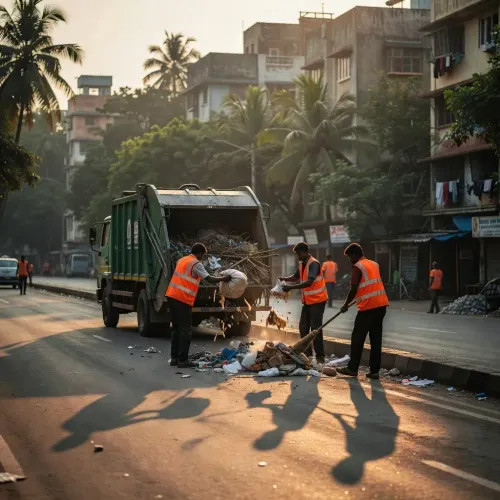
Pourakarmikas are the sanitation and municipal workers employed by Bengaluru's civic bodies to manage waste collection, street cleaning, and related urban services. They form a significant part of the city's informal and organised labour force.
Which ministers attended the I.P.D. Salappa tribute ceremony?
Ministers Yatindra Siddaramaiah, H.C. Balakrishna, and P.M. Narendraswami were among the dignitaries present at the tribute ceremony at the GBA headquarters in Bengaluru.