CM Fadnavis: Agra Shivaji Memorial Land Acquisition Near Final Stage
Synopsis
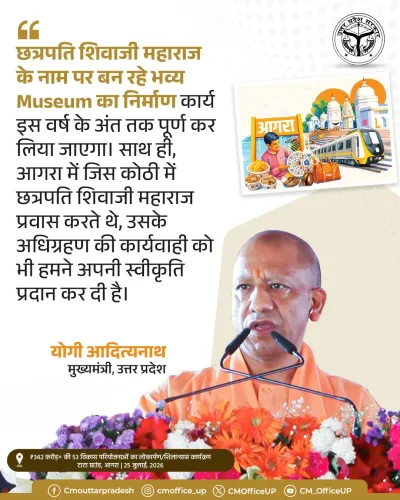
Maharashtra CM Devendra Fadnavis announced after meeting UP Higher Education Minister Yogendra Upadhyay that land acquisition in Agra for a grand Chhatrapati Shivaji Maharaj memorial is in its final stage, with both BJP-led state governments set to jointly advance the project.
Key Takeaways
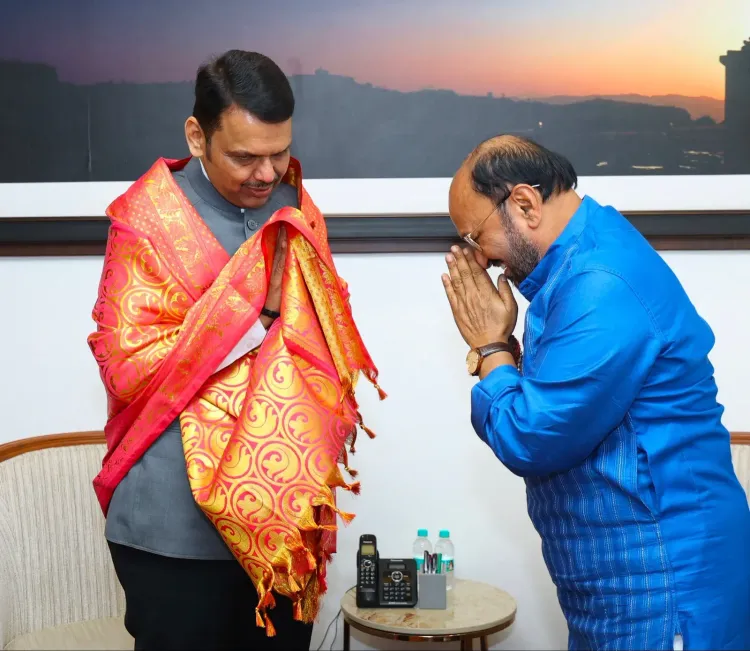
Maharashtra CM Devendra Fadnavis met UP Higher Education Minister Yogendra Upadhyay at the Varsha residence in Mumbai on July 31, 2026 .
Land acquisition in Agra for a grand Chhatrapati Shivaji Maharaj memorial is described as being in its final stage .
Upadhyay assured Fadnavis that the acquisition process will be completed soon .
Once land acquisition is complete, the Maharashtra and Uttar Pradesh governments will jointly begin the next phase of the memorial project.
The project reflects a broader BJP pattern of promoting interstate cultural heritage memorials tied to regional icons.
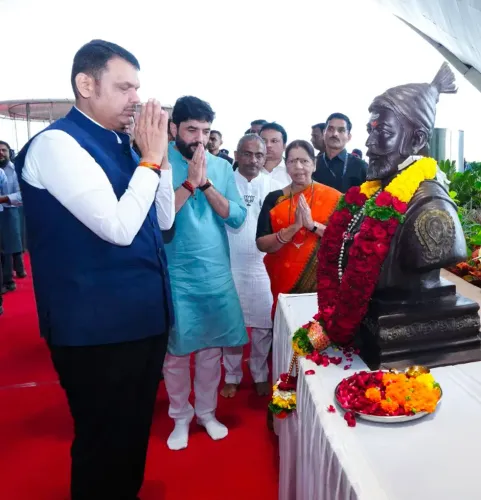
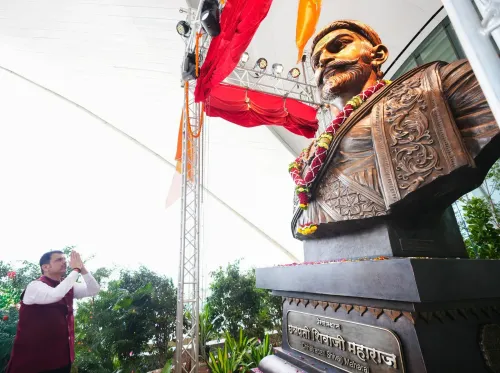
A meeting between two BJP-governed states has brought one of Maharashtra's most cherished cultural ambitions a step closer to reality. Maharashtra Chief Minister Devendra Fadnavis announced on Friday, July 31, 2026, that land acquisition in Agra for a grand memorial to Chhatrapati Shivaji Maharaj is in its final stage — and that both Maharashtra and Uttar Pradesh are now ready to move forward together.
Fadnavis made the announcement after a warm meeting at his official Varsha residence in Mumbai with Uttar Pradesh Higher Education Minister Yogendra Upadhyay. Writing in Hindi, the Chief Minister said he was 'extremely delighted' to share that the land acquisition process in Agra is nearing completion, and that Upadhyay had personally assured him it would be wrapped up soon.
'After this process, the Maharashtra Government and the Uttar Pradesh Government will together begin the next steps for this grand memorial,' Fadnavis wrote, tagging Upadhyay directly in the post.
Why Agra? Shivaji Maharaj's Historic Mughal Connection
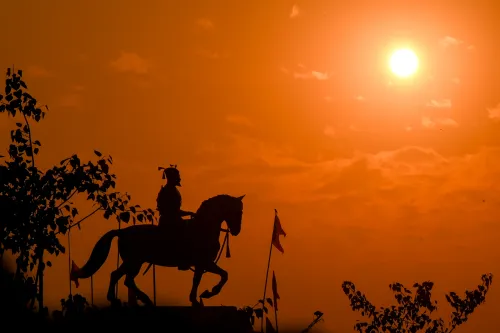
Agra carries deep symbolic weight in the Shivaji legacy. The 17th-century Maratha ruler — founder of the Maratha Empire and an enduring icon of Hindu resistance to Mughal authority — was famously brought to Agra by Emperor Aurangzeb and placed under house arrest at the Mughal court before staging a celebrated escape. A memorial in Agra would plant Shivaji's legacy at the very site of that historic confrontation, making the location a pointed cultural and historical statement.
A BJP Interstate Project Takes Shape
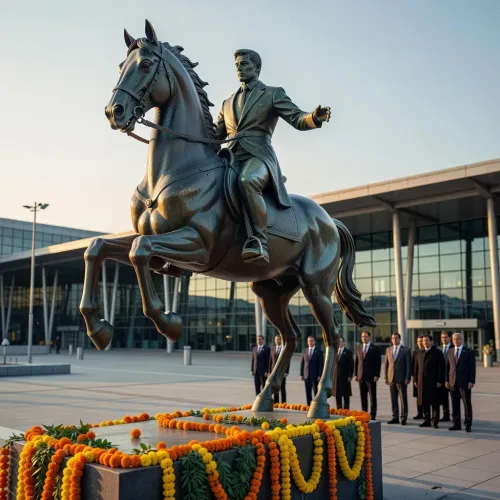
The proposed memorial is a joint initiative between the BJP-led governments of Maharashtra and Uttar Pradesh, reflecting a broader pattern of BJP-administered states collaborating on cultural heritage projects tied to regional icons. The Mumbai offshore Shivaji Maharaj memorial — a long-running and high-profile Maharashtra project — illustrates how such memorials serve dual purposes: affirming identity for the Maratha community and driving heritage tourism.
The Agra project extends that template across state lines. With land acquisition — typically the most contentious phase of any large public infrastructure project — now described as being in its final stage, the two governments are positioned to move into design, funding, and construction planning.
The next milestone to watch: a formal joint announcement from both state governments once land acquisition is complete, followed by decisions on project scale, architecture, and timeline. For Maharashtra, a Shivaji memorial standing in the heart of Uttar Pradesh would be a landmark of cultural diplomacy — and a powerful signal to the Maratha diaspora across India.
Point of View
Likely ahead of electoral cycles in both states. The real test will be whether the post-acquisition phases — design, funding, and construction — move with equal speed or stall in the bureaucratic gaps that have delayed similar large-scale memorial projects in India.
NationPress
1 Aug 2026
Frequently Asked Questions
Why is a Shivaji Maharaj memorial being built in Agra?
Agra holds deep historical significance in the Shivaji Maharaj legacy — the 17th-century Maratha king was brought to the Mughal court in Agra by Emperor Aurangzeb and placed under house arrest before his famous escape. A memorial there symbolically reclaims that historic site for the Maratha legacy.
What is the current status of the Agra Shivaji memorial project?
As of July 31, 2026, Maharashtra CM Devendra Fadnavis stated that land acquisition in Agra is in its final stage, with UP Higher Education Minister Yogendra Upadhyay assuring him it will be completed soon.
Who is funding the Chhatrapati Shivaji Maharaj memorial in Agra?
The memorial is a joint project between the Maharashtra and Uttar Pradesh state governments. Specific funding details and project costs have not yet been announced publicly.
What did Devendra Fadnavis and Yogendra Upadhyay discuss in Mumbai?
The two leaders met at Fadnavis's official Varsha residence in Mumbai, where Upadhyay updated Fadnavis on the land acquisition progress for the Shivaji Maharaj memorial in Agra and assured him the process would be completed soon.
What happens after land acquisition is complete for the Agra Shivaji memorial?
Once land acquisition is finalised, the Maharashtra and Uttar Pradesh governments will jointly begin the next phase of the project, which is expected to include decisions on design, architecture, funding, and construction timeline.