16 Indian seafarers held hostage by Somali pirates, DGMA confirms
Synopsis
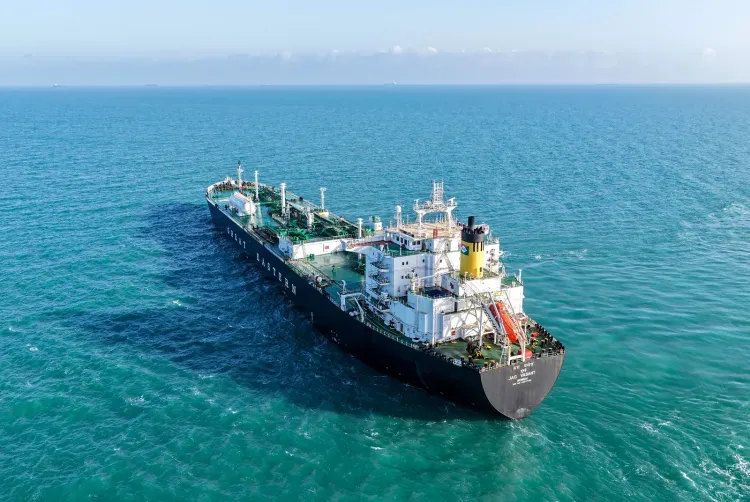
Somali piracy is back — and Indian sailors are bearing the brunt. With 16 crew members held across three hijacked tankers and a fourth vessel under watch, the DGMA's confirmation on 31 July 2026 signals the most serious hostage crisis in the Gulf of Aden in years. One near-miss, the MV Golden Arsenal, shows the difference vigilance and a fast Indian Navy response can make.
Key Takeaways
16 Indian seafarers are being held hostage by pirates in the Gulf of Aden and off the Horn of Africa , confirmed by the DGMA on 31 July 2026 .
Three vessels were hijacked: MT Asana (17 July), MT Eureka (2 May), and MT Honour (24 April); a fourth, MV Sward , is under international naval monitoring.
The MT Asana is reportedly sailing towards Somalia with 11 Indian crew members on board.
The MV Golden Arsenal successfully repelled a piracy attempt on 1 July 2026 after the crew activated security protocols and the Indian Navy deployed a warship.
The DGMA has directed all vessels transiting the region to implement BMP5 guidelines and conduct mandatory piracy drills before entering the High Risk Area .
At least 16 Indian seafarers are being held hostage by pirates operating in the Gulf of Aden and waters off the Horn of Africa, the Directorate General of Maritime Administration (DGMA) confirmed on 31 July 2026. The sailors are spread across multiple vessels hijacked between 24 April and 17 July 2026, marking a sharp resurgence of Somali piracy that had largely receded after its peak in the early 2010s.
The Hijacked Vessels
The most recent incident involves the MT Asana, seized on 17 July 2026 in the Gulf of Aden, approximately 65 nautical miles south of Al Mukalla, Yemen. Of its 22 crew members, 11 were Indian nationals. The tanker is reportedly sailing towards Somalia, according to the DGMA.
Earlier, the MT Eureka was hijacked on 2 May 2026 off the Somali coast, with 4 Indians among its 12 crew members. The MT Honour was taken on 24 April 2026, also off Somalia, and had 1 Indian in its 17-member crew. A fourth vessel, the MV Sward, was also seized off the Somali coast, though it carried no Indian seafarers and is currently under monitoring by international naval forces.
A Near-Miss That Became a Template
Amid the grim picture, the DGMA highlighted a successful defence. The MV Golden Arsenal repelled a piracy attempt on 1 July 2026 after its crew responded swiftly — maintaining an effective lookout, activating the Ship Security Plan, securing themselves in the citadel, and alerting the Indian Navy.
The Indian Navy responded promptly, vectoring a warship to the vessel's location. Pirates fled when the warship's helicopter approached. Marine commandos subsequently boarded the ship, sanitised it, and cleared the crew to leave the citadel. The DGMA cited the incident as proof that 'vigilant watchkeeping, early detection of suspicious activity and adherence to established ship security procedures are critical in preventing such vessel hijacking.'
What the DGMA Has Directed
The authority has issued a comprehensive advisory urging all vessel operators to implement the latest edition of Best Management Practices (BMP5). Key directives include:
Vessels must register transits with appropriate maritime security reporting centres and maintain regular reporting. Citadel arrangements, emergency communications, access control, and anti-boarding measures must be fully operational before entering the High Risk Area (HRA). Piracy drills and security briefings are mandatory for all crew before entering the affected zone.
The DGMA has also asked shipowners, operators, and masters to monitor advisories from the Indian Navy, International Maritime Organization (IMO), UKMTO, and MSCHOA, and to schedule voyages accordingly.
The Broader Context
The DGMA stated that 'the threat of piracy in the Gulf of Aden and the adjoining waters remains significant,' signalling that the region — which had seen a dramatic reduction in attacks after international naval patrols intensified post-2012 — is once again dangerous for commercial shipping. This comes amid broader instability in the Red Sea and Bab-el-Mandeb Strait, where Houthi attacks on commercial vessels have already disrupted global shipping lanes. The combination of Houthi aggression and resurgent piracy is placing Indian seafarers — who number among the world's largest merchant navy workforces — at heightened risk.
With three vessels currently in pirate hands and a fourth under watch, diplomatic and naval pressure to secure the release of the hostages is expected to intensify in the coming weeks.
Point of View
Yet the government's public posture remains largely reactive: advisories after ships are taken, not a sustained diplomatic push to secure releases. The MV Golden Arsenal episode is instructive: the Indian Navy can act decisively when alerted in time, which raises the question of why pre-positioned naval deterrence in the HRA is not more robust. With Houthi attacks already rerouting global shipping and now piracy resurging in the same corridor, Indian seafarers face a compounded threat that demands a coordinated Centre-level response, not just a DGMA circular.
NationPress
1 Aug 2026
Frequently Asked Questions
How many Indian seafarers are being held hostage by Somali pirates?
At least 16 Indian seafarers are currently being held hostage by pirates in the Gulf of Aden and waters off the Horn of Africa, as confirmed by the Directorate General of Maritime Administration (DGMA) on 31 July 2026. They are spread across three hijacked vessels — MT Asana, MT Eureka, and MT Honour.
Which ships were hijacked and when?
Three vessels carrying Indian crew were hijacked between April and July 2026. The MT Honour was seized on 24 April, the MT Eureka on 2 May, and the MT Asana — the most recent — on 17 July 2026, about 65 nautical miles south of Al Mukalla, Yemen. A fourth ship, MV Sward, was also hijacked but had no Indian crew members.
What happened with the MV Golden Arsenal piracy attempt?
The MV Golden Arsenal successfully repelled a piracy attempt on 1 July 2026 after its crew activated the Ship Security Plan, secured themselves in the citadel, and alerted the Indian Navy. A Navy warship was dispatched, its helicopter caused the pirates to flee, and marine commandos subsequently boarded and cleared the vessel.
What has the DGMA advised Indian ships to do?
The DGMA has directed all vessels transiting the Gulf of Aden and surrounding High Risk Area to implement Best Management Practices (BMP5), conduct piracy drills before entering the zone, register with maritime security reporting centres, and ensure citadel and anti-boarding systems are fully operational. Shipowners are also asked to monitor advisories from the Indian Navy, IMO, UKMTO, and MSCHOA.
Why is piracy surging again in the Gulf of Aden?
The DGMA has stated that the threat of piracy in the Gulf of Aden and adjoining waters 'remains significant,' signalling a resurgence after years of relative calm. This comes amid broader instability in the Red Sea linked to Houthi attacks on commercial shipping, which has disrupted normal maritime routes and increased vessel exposure in the region.