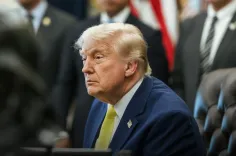
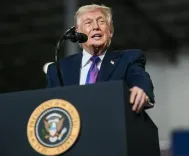
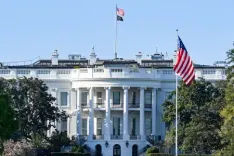
White House Hosts 60-Nation Ministerial on Far-Left Extremism
Synopsis
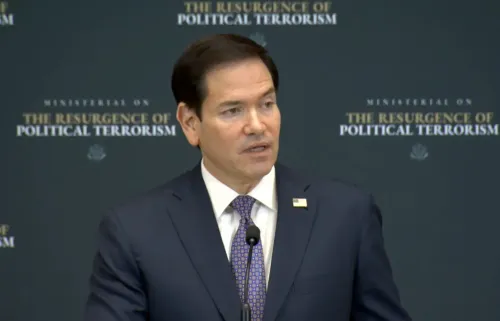
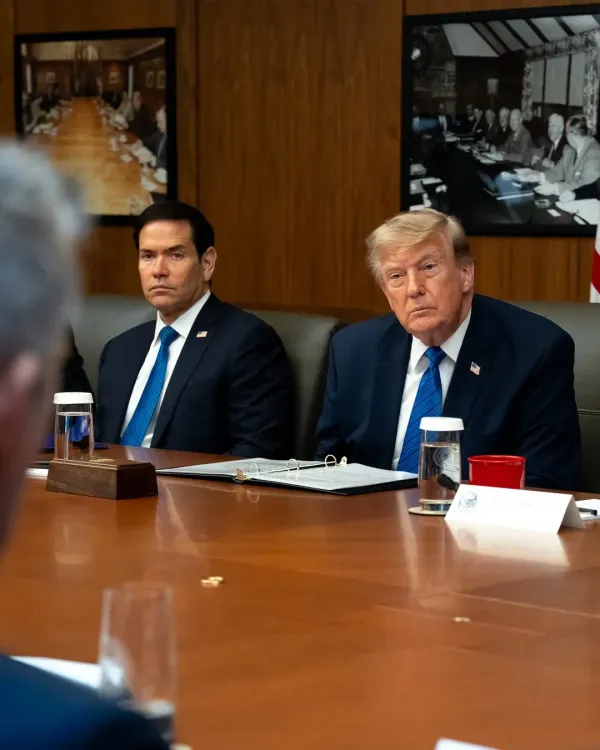
The White House convened an 'unprecedented' ministerial with 60 nations in Washington on July 31, 2026, targeting what it describes as a global failure to treat far-left and Antifa-linked violence with the same scrutiny applied to other forms of extremism.
Key Takeaways
60 countries attended a White House-hosted ministerial in Washington, D.C. on July 31, 2026 .
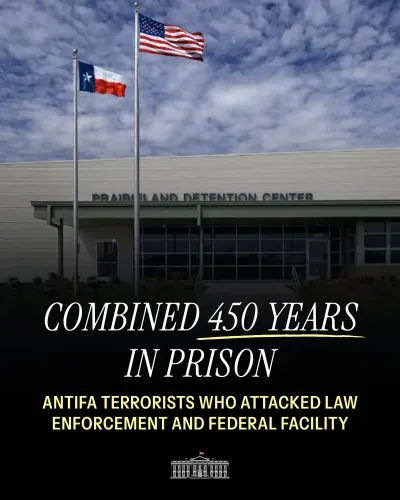
The gathering focused on what the administration describes as under-recognition of far-left and Antifa-affiliated terrorism globally.
The White House alleged that ideological bias leads authorities to 'ignore the ideological spin' when violence involves left-wing groups.
The Trump administration had previously explored designating Antifa a domestic terrorist organisation as early as 2020 .
Potential follow-up actions include joint statements, information-sharing pacts, and new legislative proposals on extremist designations.
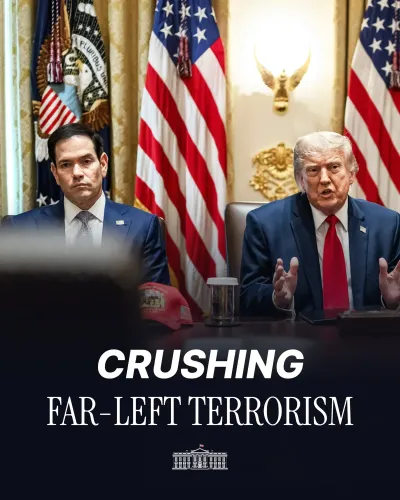
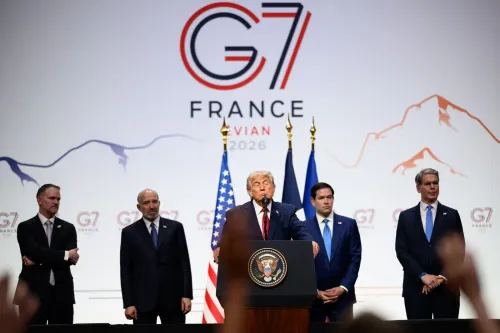
Sixty countries converged on Washington, D.C. for what the White House is calling an 'unprecedented ministerial' — a high-level gathering aimed squarely at what officials describe as the systematic underreporting of far-left terrorism and political violence on the global stage.
A ministerial unlike any before it
The White House framed the convening as a direct challenge to what it sees as an ideological blind spot in international counter-terrorism cooperation. In remarks shared on July 31, 2026, the administration alleged that when violence is linked to left-wing or Antifa-affiliated groups, law enforcement and international bodies tend to 'ignore the ideological spin' — a charge that cuts to the heart of longstanding debates about how governments classify and prosecute domestic extremism.
The gathering drew delegations from 60 countries, a scale that signals the administration's intent to build a multilateral consensus rather than pursue a purely domestic designation strategy.
Antifa and the designation debate
Antifa — a decentralized network of far-left activists historically associated with anti-fascist protest movements — has been a flashpoint in American political discourse for years. As early as 2020, the Trump administration publicly explored designating Antifa as a domestic terrorist organisation in the wake of civil unrest following the death of George Floyd, though no formal designation followed under existing US law.
The current push appears to internationalise that effort, seeking allied governments to acknowledge and act on what Washington characterises as a pattern of ideologically motivated far-left violence being treated differently from right-wing or Islamist extremism.
What the 60-country coalition could mean next
The US has a long track record of building counter-terrorism coalitions — the post-2001 architecture against Islamist extremism being the defining template. Extending that framework to cover domestic ideological threats is a significantly more contested proposition, particularly among democratic allies with their own civil liberties frameworks and definitions of political violence.
Potential follow-up actions flagged by observers include joint statements, information-sharing agreements, and legislative proposals around extremist designations. Whether the 60 participating nations translate attendance into binding commitments will define whether this ministerial becomes a turning point or a talking shop.
Sixty countries in one room is a mandate — now comes the harder question of what they actually sign.
Point of View
The administration is attempting to shift the Overton window on how democracies define and designate ideological extremism. For US allies — many of whom have their own civil liberties constraints and distinct definitions of political violence — signing onto this framework carries real domestic political costs. The ministerial's true weight will be measured not by attendance, but by whether any binding commitments emerge.
NationPress
15 Sept 2026
Frequently Asked Questions
What was the White House ministerial on far-left terrorism about?
The White House hosted ministers from 60 countries in Washington on July 31, 2026, to address what the administration describes as a global pattern of under-reporting and under-prosecuting far-left and Antifa-linked political violence compared to other forms of extremism.
Which countries attended the White House counter-terrorism ministerial in 2026?
The White House stated that 60 countries participated, but the specific nations have not been individually confirmed in available information.
Has the US ever designated Antifa as a terrorist organisation?
No formal designation has been made. The Trump administration publicly discussed designating Antifa a domestic terrorist organisation in 2020 following civil unrest, but existing US law does not provide a direct domestic terrorist designation mechanism.
What could follow from the 60-country Washington ministerial on extremism?
Potential follow-up actions include joint international statements, information-sharing agreements between governments, and legislative proposals targeting far-left extremist designations.
What is Antifa and why is it controversial in counter-terrorism discussions?
Antifa is a decentralized far-left activist network historically associated with anti-fascist protest, sometimes linked to confrontational or violent incidents. Its loose, leaderless structure makes formal terrorist designation legally and practically complex under most democratic legal frameworks.