CM Bhajan Lal Inaugurates Commonwealth Law Conference in Jaipur
Synopsis
Rajasthan CM Bhajan Lal Sharma inaugurated the three-day Commonwealth Peace, Mediation and Rule of Law Conference in Jaipur on 31 July 2026, with Chief Justice of India Justice Suryakant, Union Minister Arjun Ram Meghwal, and delegates from across the 56-nation Commonwealth in attendance.
Key Takeaways
Rajasthan CM Bhajan Lal Sharma inaugurated the Commonwealth Peace, Mediation and Rule of Law Conference in Jaipur on 31 July 2026 .
The three-day conference brings together judges, legal experts, mediators, academics, and policymakers from Commonwealth member nations .
Chief Justice of India Justice Suryakant was present at the opening ceremony.
Union Minister of State for Law and Justice Arjun Ram Meghwal and Supreme Court Justices Sandeep Mehta and Justice Vijay also attended.
Acting Chief Justice of the Rajasthan High Court Justice Sanjeev Prakash Sharma participated in the inaugural session.
Joint statements and outcome documents are expected before the conference concludes.
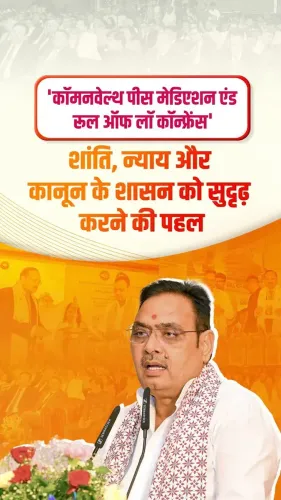
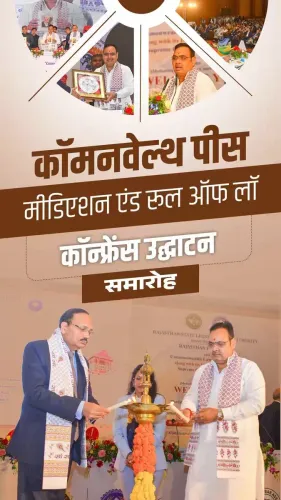
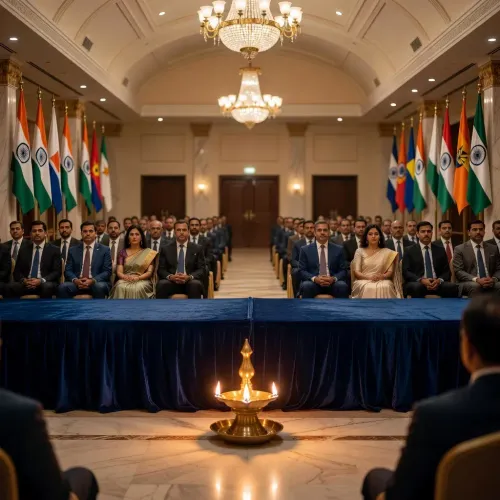
Jaipur stepped onto the global legal stage on Friday, 31 July 2026, as Rajasthan Chief Minister Bhajan Lal Sharma inaugurated the three-day 'Commonwealth Peace, Mediation and Rule of Law Conference' — drawing judges, legal scholars, and policymakers from across the 56-nation Commonwealth to the heart of Rajasthan.
A Commonwealth gathering on Rajasthan's soil
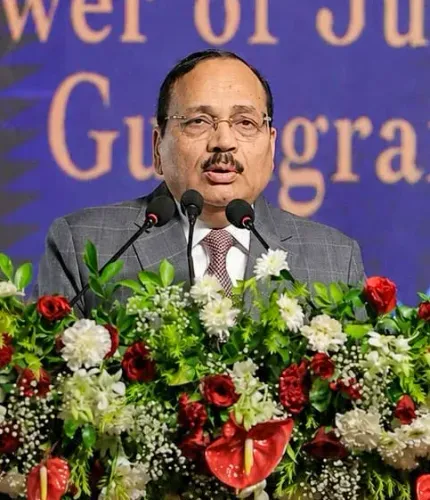
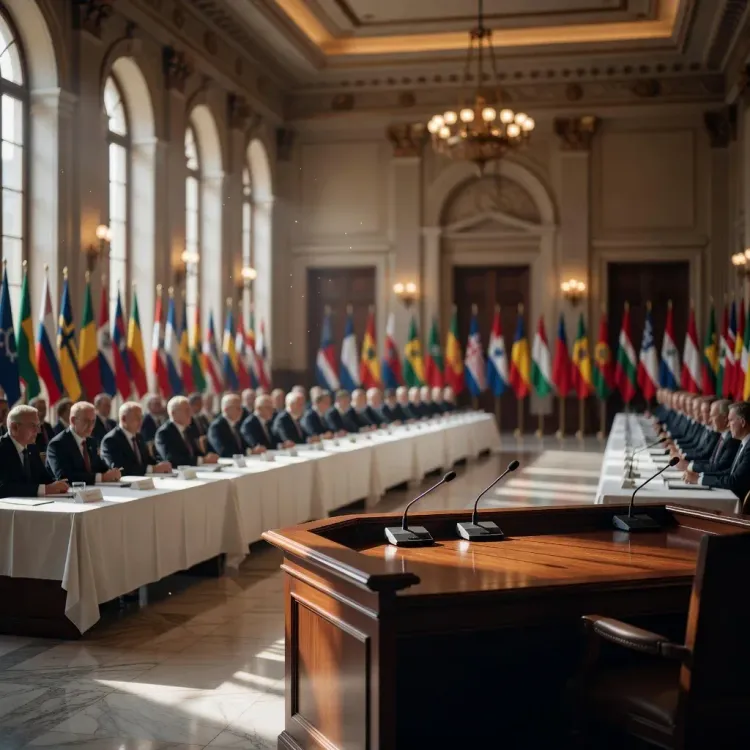
The opening ceremony brought together a distinguished assembly: Chief Justice of India Justice Suryakant, Union Minister of State (Independent Charge) for Law and Justice Arjun Ram Meghwal, Supreme Court Justices Sandeep Mehta and Justice Vijay, and Acting Chief Justice of the Rajasthan High Court Justice Sanjeev Prakash Sharma. Delegates from Commonwealth member nations — judges, senior advocates, mediators, constitutional officials, academics, and policy architects — filled the hall.
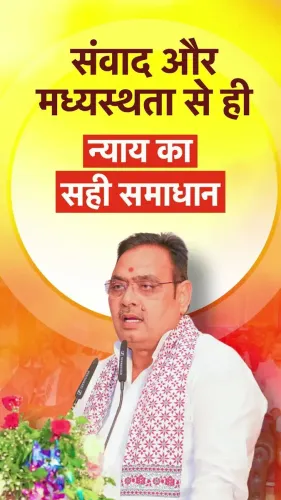
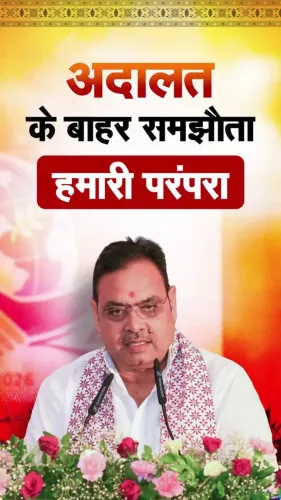
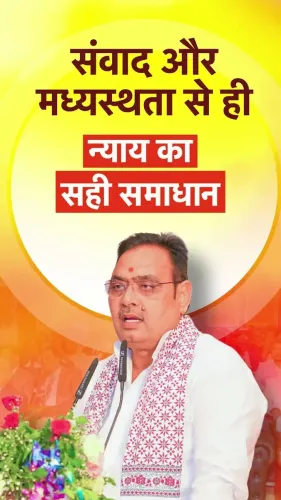
CM Sharma welcomed the international guests to what he called 'Rajasthan ki pavan bhoomi' (the sacred land of Rajasthan), expressing hope that the conference would forge 'new thinking, new direction, and a new global perspective' in the pursuit of peace, justice, and the rule of law.
Why Jaipur — and why now
India has long been an active participant in Commonwealth forums on governance and judicial cooperation. Hosting such a conference in a state capital like Jaipur signals the federal government's intent to bring international legal diplomacy beyond New Delhi — amplifying Rajasthan's profile as a venue for consequential multilateral dialogue.
The Commonwealth's shared legal heritage — rooted in common law traditions — makes mediation and rule-of-law reform natural focal points for its member states. With conflicts and governance crises straining legal institutions across several member nations, a structured exchange on dispute resolution carries real urgency.
Two days of deliberation ahead
The conference runs through the weekend, with joint statements and outcome documents expected before it concludes. The presence of India's Chief Justice alongside a Union minister signals the highest levels of judicial and executive engagement — a combination that typically produces frameworks with genuine policy traction, not just declarations.
Whether Jaipur's deliberations produce a Commonwealth mediation protocol or a shared rule-of-law roadmap, the world's legal community will be watching what emerges from Rajasthan before the weekend is out.
Point of View
Not merely a recipient of it. The presence of both the Chief Justice of India and a Cabinet-rank minister at the same inaugural session reflects the BJP government's strategy of projecting judicial credibility alongside executive commitment on rule-of-law issues. For CM Bhajan Lal Sharma, still consolidating his governance identity after taking office in late 2023, the optics of convening global legal minds in his state capital carry clear political value. The conference also fits a broader pattern of India using Commonwealth forums to assert soft power among Global South legal systems that share a common-law heritage.
NationPress
15 Sept 2026
Frequently Asked Questions
What is the Commonwealth Peace, Mediation and Rule of Law Conference in Jaipur?
It is a three-day international conference inaugurated on 31 July 2026 in Jaipur , bringing together judges, legal experts, mediators, and policymakers from Commonwealth member nations to discuss global peace, mediation, and rule-of-law frameworks.
Who attended the Commonwealth law conference inauguration in Jaipur?
Key attendees included Rajasthan CM Bhajan Lal Sharma , Chief Justice of India Justice Suryakant , Union Minister Arjun Ram Meghwal , Supreme Court Justices Sandeep Mehta and Justice Vijay , and Acting Chief Justice of the Rajasthan High Court Justice Sanjeev Prakash Sharma .
What is the Commonwealth and how many countries are members?
The Commonwealth is a voluntary association of 56 independent countries , most formerly part of the British Empire, united around shared values including democracy, human rights, and the rule of law.
Who is Arjun Ram Meghwal?
Arjun Ram Meghwal is a BJP leader serving as Union Minister of State (Independent Charge) for Law and Justice and Parliamentary Affairs in the Government of India.
What outcomes are expected from the Jaipur Commonwealth conference?
Joint statements and outcome documents on peace, mediation, and rule-of-law cooperation are expected before the three-day conference concludes.