CM Bhajanlal Sharma Addresses Commonwealth Mediation Meet in Jaipur
Synopsis
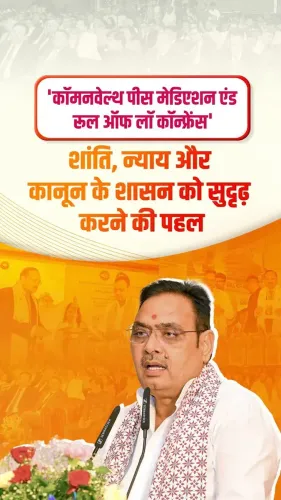
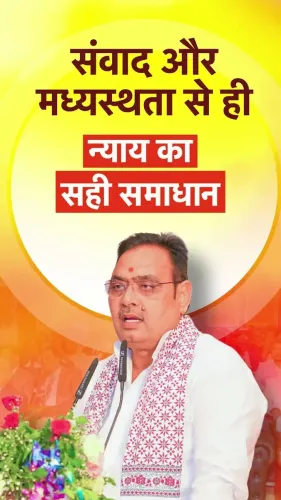
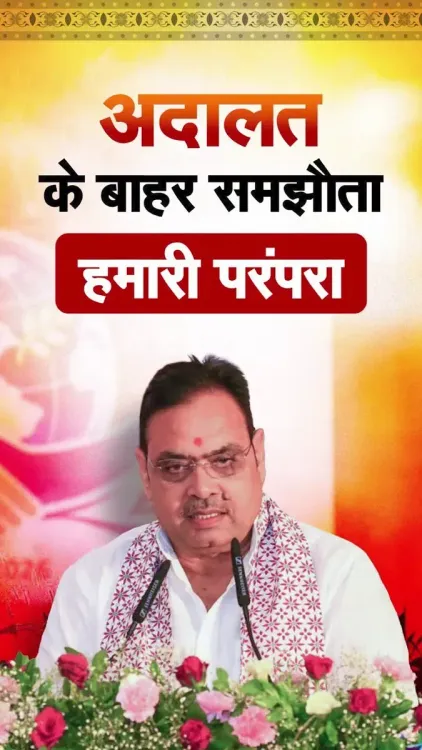
Rajasthan Chief Minister Bhajanlal Sharma told the Commonwealth Peace Mediation Conference in Jaipur that India's panchayat tradition has always made out-of-court settlement the norm, framing grassroots village councils as a model for international mediation frameworks.
Key Takeaways
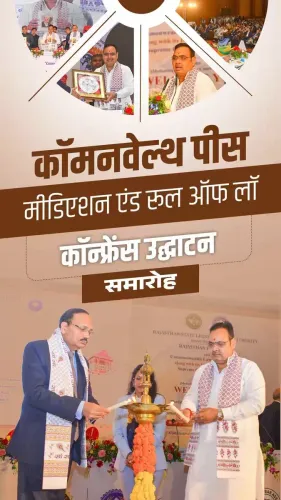
Bhajanlal Sharma addressed the Commonwealth Peace Mediation Conference in Jaipur on August 1, 2026 .
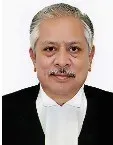
The conference was chaired by Supreme Court Justice Suryakant .
Sharma argued that out-of-court dispute resolution has historically been the norm in India, not the exception.
Panchayats — traditional village councils — were cited as India's original mediation institutions.
The 73rd Constitutional Amendment of 1992 formally embedded panchayats' governance role, including dispute resolution, into the Constitution.
Rajasthan's hosting of a Commonwealth judicial conference signals the state's ambition as a centre for legal and diplomatic dialogue.
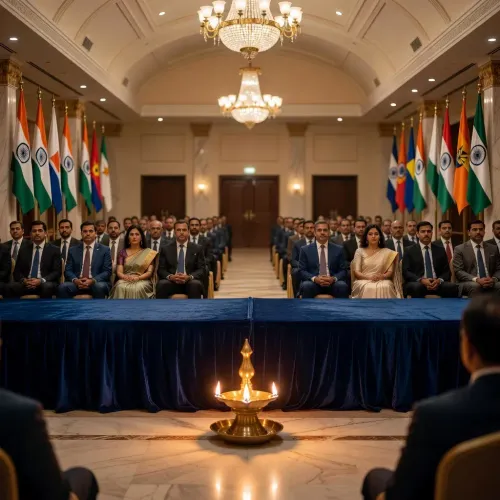
In a hall presided over by a sitting Supreme Court Justice, Rajasthan Chief Minister Bhajanlal Sharma made a pointed argument at the Commonwealth Peace Mediation Conference in Jaipur on Saturday, August 1, 2026: India does not need to borrow a mediation culture — it has always had one.
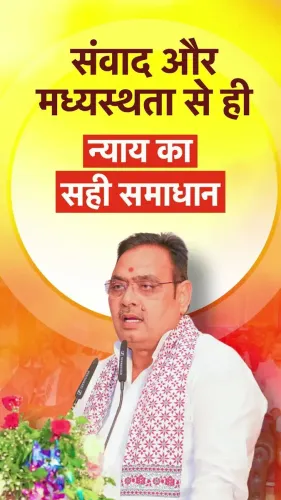
Addressing the conference chaired by Supreme Court Justice Suryakant, Sharma said that India's justice system carries a 'long and rich tradition' in which settling disputes outside the courtroom was 'the norm, not the exception.' The vehicle for that tradition, he argued, was the panchayat — the village council that for centuries has served as the first and often final word in local disputes.
Panchayats as India's original mediation bench
The argument is not merely rhetorical. The 73rd Constitutional Amendment of 1992 gave panchayats formal constitutional standing, embedding their role in local governance — including dispute resolution — into the country's legal architecture. What was once customary became constitutional. Sharma's invocation of panchayats at an international mediation forum positions that grassroots institution as a model worth exporting, not just preserving.
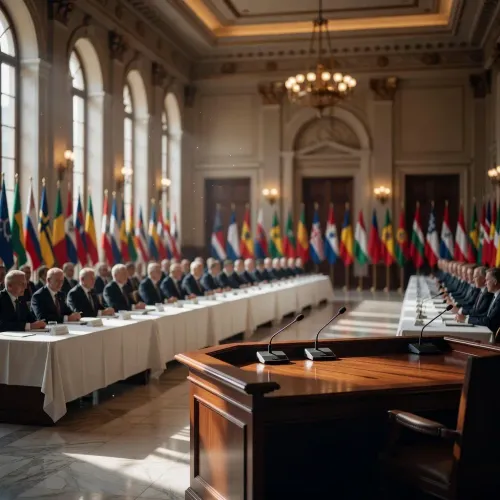
India's broader justice-delivery framework has long leaned on this logic. Mechanisms like Lok Adalats — people's courts that facilitate pre-litigation settlements — draw directly from the same philosophy: that harmony between parties is a superior outcome to a contested verdict. The Commonwealth conference, bringing together nations with shared legal heritage, offers a stage to present that philosophy as a transferable framework.
Why Jaipur, why now
Hosting a Commonwealth-level judicial conference in Jaipur signals Rajasthan's intent to position itself as more than a tourist destination — it is staking a claim as a venue for serious legal and diplomatic discourse. For Chief Minister Sharma, whose BJP government has been in office since December 2023, the platform is an opportunity to align state governance with national priorities around reducing court pendency and promoting alternative dispute resolution.
The question that follows the conference home: will Rajasthan translate the rhetoric of panchayat-led mediation into concrete legislative or administrative action? The state's next move on integrating community-level dispute resolution into its formal justice delivery chain will be the real measure of today's address.
Point of View
The Rajasthan government signals alignment with the Centre's broader push to decongest courts through community-level mechanisms. The real test is whether this translates into state-level legislative action on mediation, or remains a well-framed conference address. At a Commonwealth gathering, it also quietly positions India as a norm-setter on dispute resolution rather than a norm-taker.
NationPress
15 Sept 2026
Frequently Asked Questions
What is the Commonwealth Peace Mediation Conference?
It is a conference focused on peaceful dispute resolution held in Jaipur under the chairmanship of Supreme Court Justice Suryakant, bringing together participants from Commonwealth nations to discuss mediation frameworks.
What did Rajasthan CM Bhajanlal Sharma say at the mediation conference?
Sharma said India has a long tradition of out-of-court dispute resolution, with panchayats historically serving as the primary mechanism for amicable settlements — making mediation the norm, not the exception.
What role do panchayats play in dispute resolution in India?
Panchayats are traditional village councils that have historically resolved local disputes without formal court intervention. The 73rd Constitutional Amendment of 1992 gave them constitutional status, formalising their governance role.
What is Lok Adalat and how does it relate to panchayat mediation?
Lok Adalats are statutory people's courts that facilitate pre-litigation settlements. Like panchayats, they embody the principle that consensual resolution between parties is preferable to a contested court verdict.
Why was the Commonwealth mediation conference held in Jaipur?
Jaipur, the capital of Rajasthan, hosted the conference, positioning the state as a venue for serious legal and diplomatic discourse under the BJP government led by Chief Minister Bhajanlal Sharma since December 2023.