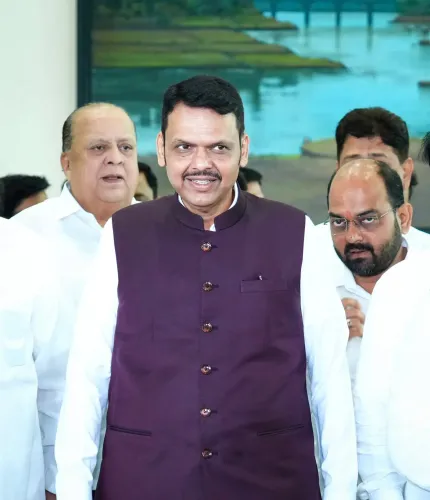
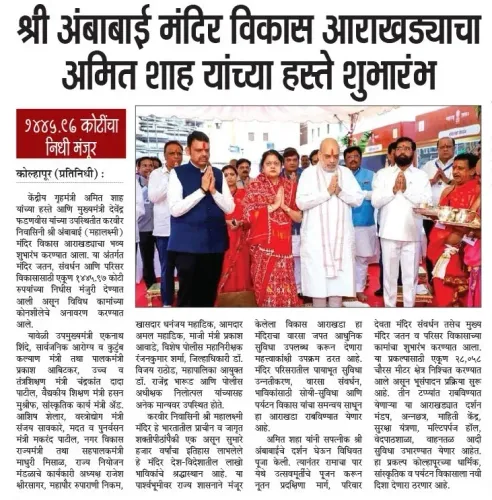
CM Fadnavis Announces Pilgrimage Site Development in Kolhapur

Synopsis
The Chief Minister's Office of Maharashtra announced on 19 November 2026 that pilgrimage sites in Kolhapur will be developed, with CM Devendra Fadnavis backing the initiative. The move targets one of western Maharashtra's most significant religious tourism hubs.
Key Takeaways
The Chief Minister's Office of Maharashtra announced development of pilgrimage sites in Kolhapur on 19 November 2026 .
Chief Minister Devendra Fadnavis of the Bharatiya Janata Party is cited as the driver of the initiative.
Kolhapur hosts the Mahalakshmi Temple , one of Maharashtra's six Shakti Peethas, drawing pilgrims from across the Deccan year-round.
Specific project details, timelines, and budget allocations have not yet been formally announced by the state government.
Such upgrades are typically executed through Maharashtra's state tourism or public works departments following political-level mandates.
Key stakeholders include pilgrims, local businesses, temple trusts, and civic bodies across the Kolhapur district.
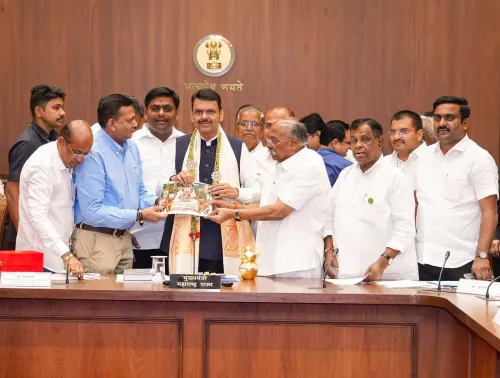
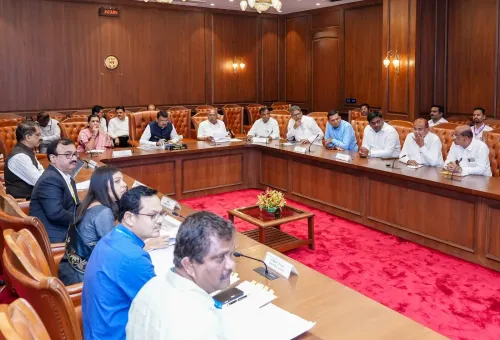
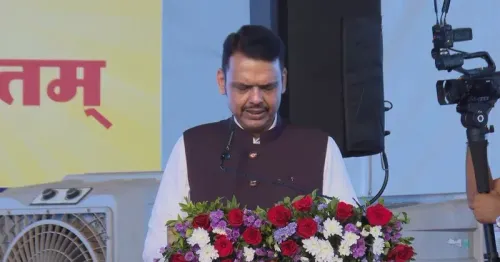
Kolhapur's sacred landscape is set for a transformation. The Chief Minister's Office of Maharashtra announced on Thursday, 19 November 2026 that pilgrimage sites across Kolhapur will be developed under the watch of Chief Minister Devendra Fadnavis — a move that places one of western Maharashtra's most spiritually significant cities at the centre of the state's infrastructure agenda.
The post, shared in Hindi, stated: 'Kolhapur mein teerth sthalon ka hoga vikas' — 'Pilgrimage sites in Kolhapur will be developed.' Short in words, the announcement carries considerable weight for a city whose religious identity draws devotees from across the Deccan.
Why Kolhapur's pilgrimage circuit matters
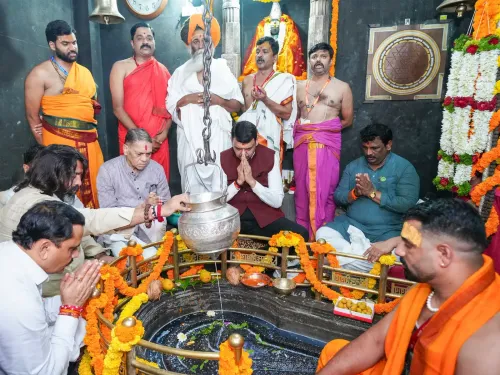
Kolhapur is home to the Mahalakshmi Temple — one of the six Shakti Peethas of Maharashtra — along with a dense cluster of historic temples, math institutions, and heritage ghats that draw pilgrims year-round. Infrastructure at many of these sites has long lagged behind footfall, making upgrades a persistent demand from both devotees and local civic bodies.
The city sits at the southern edge of Maharashtra, roughly 375 kilometres from Mumbai, and serves as a natural gateway for pilgrims travelling between the Konkan coast and the Karnataka border. Any improvement to connectivity, sanitation, or visitor amenities here ripples outward through a broad regional tourism economy that spans local transport operators, hospitality businesses, and temple trusts.
Fadnavis and Maharashtra's regional infrastructure push
Devendra Fadnavis, the Bharatiya Janata Party leader who has served as Maharashtra's Chief Minister across multiple terms, has consistently framed district-level infrastructure as a pillar of the state's development model. Announcements targeting heritage and pilgrimage sites in western Maharashtra districts follow a recognisable pattern: state tourism and public works departments receive mandates at the political level, with detailed project tenders and budget lines typically formalised in subsequent state budget sessions or department circulars.
Specific project scopes — whether widened access roads, pilgrim shelter upgrades, cleanliness drives, or digital wayfinding — along with exact budget allocations, are yet to be formally released by the state government.
What pilgrims and local businesses stand to gain
For the thousands of devotees who visit Kolhapur's temples monthly, infrastructure development translates directly into safer, cleaner, and more accessible worship. For the city's commercial ecosystem — from prasad vendors and lodges to auto-rickshaw operators — improved facilities historically correlate with higher visitor dwell-time and spending. The announcement is a signal; the substance will be in the scheme documents that follow.
All eyes now turn to Maharashtra's upcoming budget cycle and tourism department releases for the specifics that will determine whether this promise reshapes Kolhapur's pilgrimage landscape in any lasting way.
Point of View
The CMO signals cultural sensitivity alongside infrastructure intent. The real test will come at the budget and tender stage: Maharashtra has a history of well-publicised pilgrimage upgrade announcements that move slowly through implementation. Watchers will be tracking whether Kolhapur receives a dedicated line item in the next state budget or remains an intent-level commitment.
NationPress
19 Nov 2026
Frequently Asked Questions
Which pilgrimage sites in Kolhapur will be developed?
The Maharashtra CM's Office has announced development of pilgrimage sites in Kolhapur, but specific sites, project scopes, and budget allocations have not yet been formally released. Kolhapur's most prominent religious site is the Mahalakshmi Temple, one of Maharashtra's six Shakti Peethas.
Who announced the Kolhapur teerth sthal development?
The announcement was made by the Chief Minister's Office of Maharashtra on 19 November 2026, citing Chief Minister Devendra Fadnavis as the driving figure behind the initiative.
What is the budget for Kolhapur pilgrimage site development?
No specific budget figure has been announced. Financial details are expected to be formalised in upcoming state budget sessions or Maharashtra tourism department releases.
What is the religious significance of Kolhapur?
Kolhapur is home to the Mahalakshmi Temple, one of the six Shakti Peethas of Maharashtra, and hosts a broad cluster of historic temples and heritage sites that draw pilgrims from across the Deccan and beyond year-round.
How will Kolhapur pilgrimage development benefit locals?
Improved pilgrim infrastructure typically increases visitor footfall and dwell-time, directly benefiting local businesses such as lodges, transport operators, and vendors, while also providing safer and more accessible worship facilities for devotees.