CM Fadnavis Highlights Pune Pilgrimage Site Development
Synopsis
Maharashtra Chief Minister Devendra Fadnavis on 13 June 2026 spotlighted pilgrimage site development in Pune, sharing images tagged #TeerthKshetra. The post underscores the state government's push to upgrade religious tourism infrastructure through central-state schemes such as PRASAD, benefiting pilgrims and the local tourism economy.
Key Takeaways
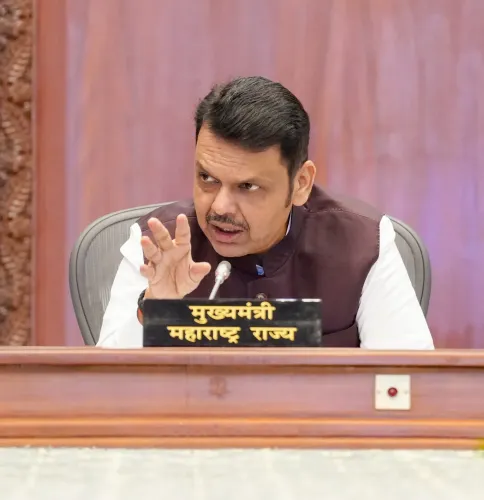
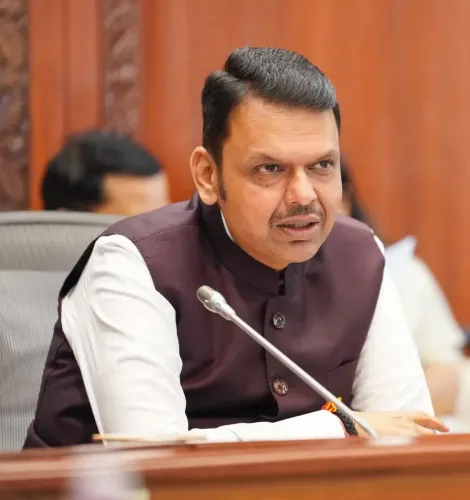
CM Devendra Fadnavis posted about TeerthKshetra development in Pune on 13 June 2026 , sharing two images of pilgrimage site infrastructure.
Pune hosts several major Hindu pilgrimage sites that attract lakhs of devotees each year.
The PRASAD scheme , launched by the Government of India in 2014-15 , funds pilgrimage infrastructure covering connectivity, sanitation, and amenities at sites across Maharashtra.
Pilgrimage site upgrades benefit both pilgrims and the local tourism sector , generating employment and boosting revenue.
Maharashtra has consistently integrated religious tourism into its broader urban infrastructure and tourism policies .
Follow-up announcements on project tenders, funding, or inauguration timelines for Pune-area sites are anticipated.
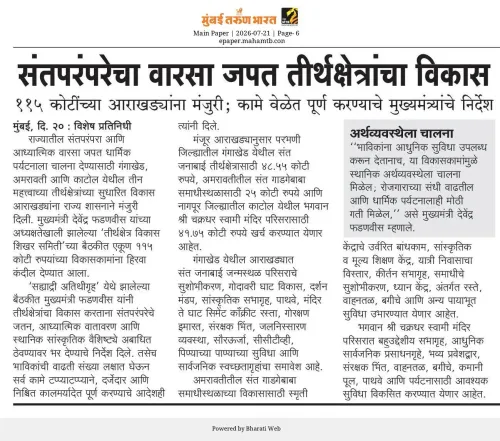
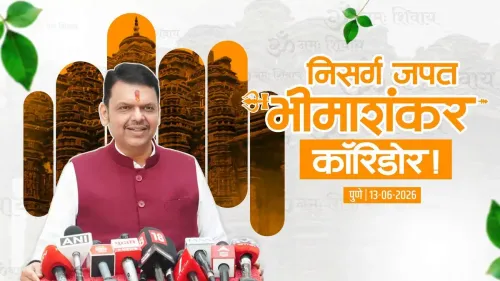
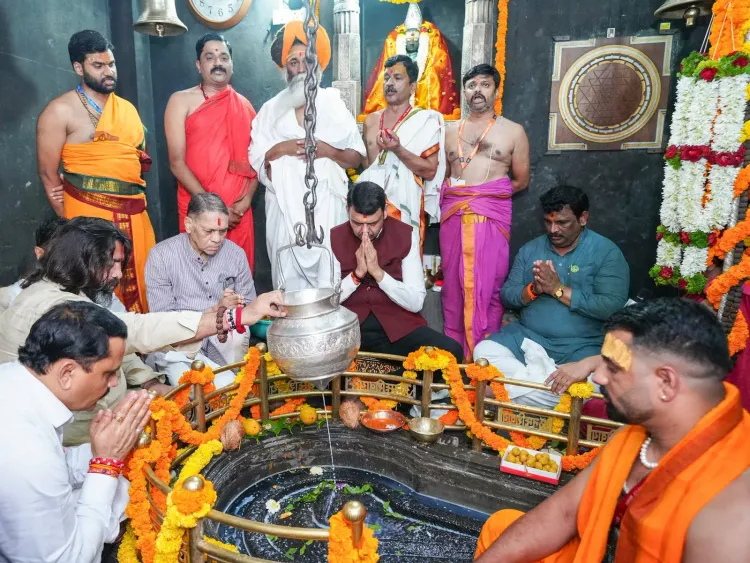
Maharashtra Chief Minister Devendra Fadnavis on Saturday, 13 June 2026, drew attention to pilgrimage site development in Pune, sharing images related to TeerthKshetra infrastructure in the city. The post, shared on his official X account, signals the state government's continued focus on upgrading religious tourism destinations across Maharashtra.
Context
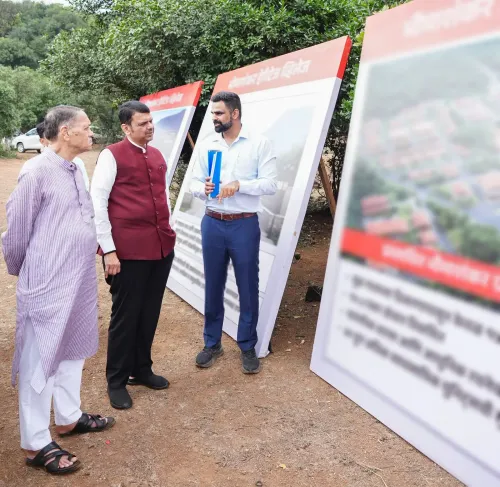
Pune is home to several significant Hindu pilgrimage sites, including temples and shrines that draw lakhs of devotees annually. The hashtags #TeerthKshetra and #Pune in the Chief Minister's post point to ongoing or recently completed infrastructure work at one or more of these sites. The accompanying images suggest on-ground progress at a pilgrimage location, though specific project details were not elaborated in the post.
Pilgrimage site development has become a consistent policy priority for the Fadnavis-led Maharashtra government, which has pursued upgrades at multiple religious locations through central-state coordination on connectivity, sanitation, and amenities.
Policy Backdrop
The Government of India launched the PRASAD (Pilgrimage Rejuvenation and Spiritual Augmentation Drive) scheme in 2014-15 to develop infrastructure and amenities at identified pilgrimage sites across states, including Maharashtra. The scheme covers connectivity, sanitation, drinking water, tourist facilities, and heritage conservation at designated religious destinations.
State governments have increasingly integrated pilgrimage site development into broader tourism and urban infrastructure policies, recognising the dual benefit of preserving religious heritage while generating local employment and revenue. Maharashtra has been an active participant in such central-state coordination frameworks.
Stakeholders and Impact
The primary beneficiaries of TeerthKshetra development initiatives are the pilgrims who visit Pune's religious sites throughout the year, as improved infrastructure translates into better sanitation, accessibility, and amenities. The local tourism sector — including hospitality, transport, and small traders — also stands to gain from increased footfall that typically follows infrastructure upgrades.
For the broader Pune region, such projects contribute to urban development and heritage conservation, aligning the city's religious identity with its growing profile as a major metropolitan centre in Maharashtra.
What's Next
Observers will watch for follow-up announcements on specific project tenders, funding releases, or inauguration timelines for the Pune-area pilgrimage sites referenced in the Chief Minister's post. Any formal launch event or budget allocation announcement would provide clearer detail on the scale and scope of the development work underway.
As Maharashtra continues to position religious tourism as a pillar of its broader tourism economy, the state's approach to TeerthKshetra development in cities like Pune is likely to serve as a template for similar initiatives at other pilgrimage destinations across the state.
Point of View
The CM reinforces his administration's credentials on cultural heritage at a time when religious tourism is being actively promoted as an economic driver. The alignment with the central government's PRASAD scheme also demonstrates the state's ability to leverage Union funding for visible local outcomes. How quickly specific projects move from announcement to inauguration will determine whether this momentum translates into tangible electoral and developmental dividends.
NationPress
13 Sept 2026
Frequently Asked Questions
What is the TeerthKshetra development initiative in Pune?
TeerthKshetra development refers to infrastructure upgrades at pilgrimage sites in Pune, Maharashtra, covering amenities such as sanitation, connectivity, and visitor facilities. CM Devendra Fadnavis highlighted such work in a post on 13 June 2026.
What is the PRASAD scheme and does it apply to Maharashtra?
The PRASAD (Pilgrimage Rejuvenation and Spiritual Augmentation Drive) scheme was launched by the Government of India in 2014-15 to develop infrastructure at identified pilgrimage sites. Maharashtra is among the states that have benefited from this central scheme.
Which pilgrimage sites in Pune are being developed?
Pune hosts several significant Hindu temples and shrines. While CM Fadnavis's post referenced TeerthKshetra development with images, specific site names were not detailed in the post, and further official announcements are awaited.
How does pilgrimage site development benefit local communities?
Upgraded pilgrimage infrastructure attracts more devotees, boosting the local tourism economy through increased demand for hospitality, transport, and trade. It also creates employment during construction and in the services sector once facilities are operational.
What is Devendra Fadnavis's role in Maharashtra's tourism policy?
As Maharashtra Chief Minister and a senior BJP leader, Devendra Fadnavis oversees the state's overall governance including tourism and infrastructure policy. His administration has pursued upgrades at multiple religious locations through both state budgets and central scheme funding.