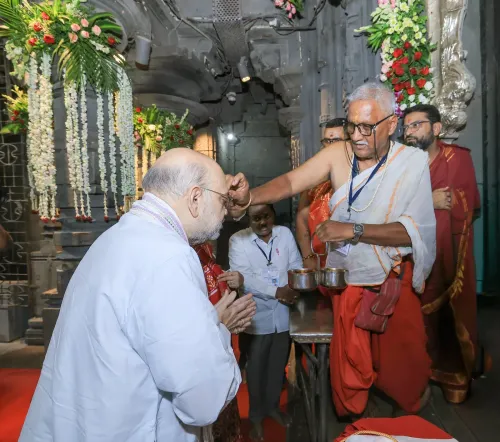
Amit Shah Launches Ambabai Temple Development Plan in Kolhapur
Synopsis
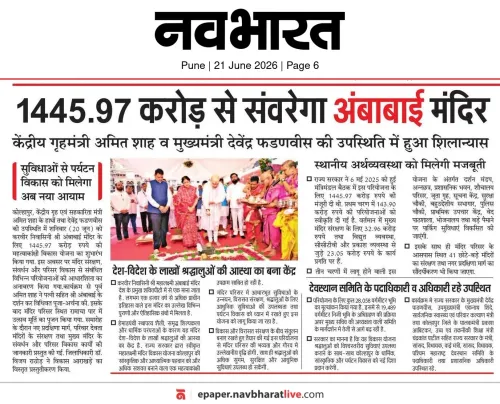
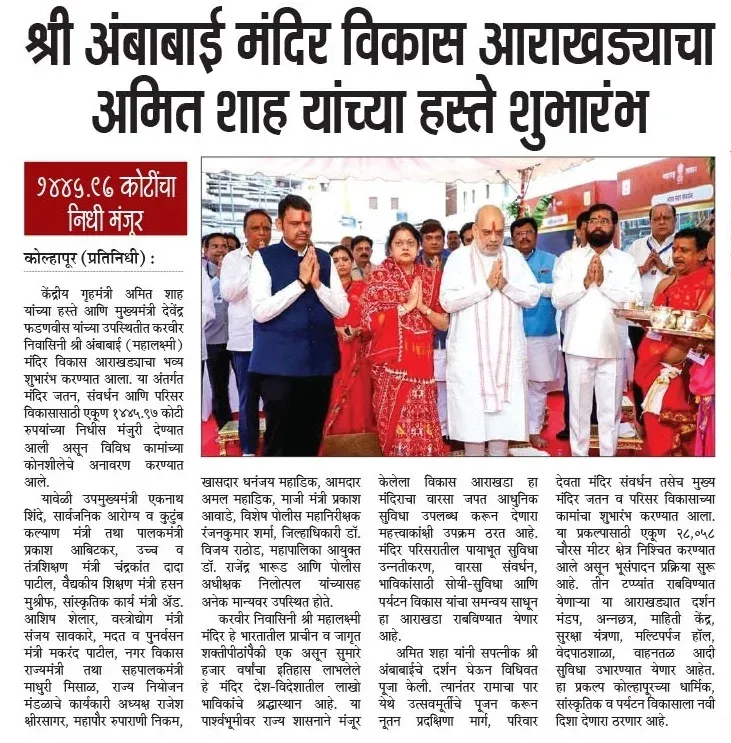
Union Home Minister Amit Shah launched the development blueprint for the historic Shri Mahalakshmi (Ambabai) Temple in Kolhapur on June 21, 2026. The initiative, backed by the Maharashtra government under CM Devendra Fadnavis, aims to upgrade infrastructure at one of western Maharashtra's most significant pilgrimage sites.
Key Takeaways
Union Minister Amit Shah formally launched the development plan for the Shri Mahalakshmi (Ambabai) Temple in Kolhapur on June 21, 2026 .
The inauguration was announced by the Chief Minister's Office of Maharashtra on X, tagging both Amit Shah and CM Devendra Fadnavis .
The Ambabai Temple is one of the most significant Shakti shrines in western Maharashtra , attracting lakhs of pilgrims annually.
The project reflects coordination between the Union Home Ministry and the Maharashtra state government on religious-site infrastructure.
Key stakeholders include temple devotees, Kolhapur's local tourism sector, and heritage trusts overseeing the temple precinct.
Phased implementation timelines and central-state funding allocations are expected to be detailed in the coming months.
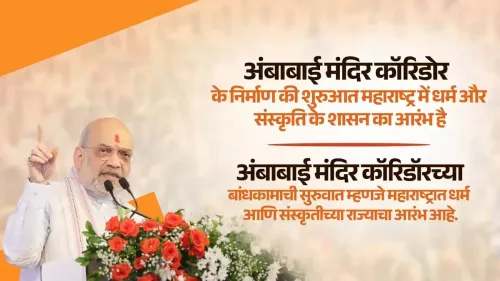
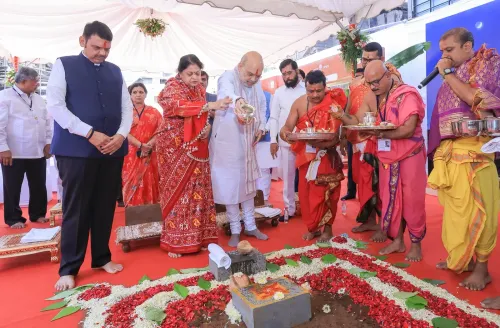
The Chief Minister's Office of Maharashtra announced on Sunday, June 21, 2026, that Union Minister of Home Affairs and Cooperation Amit Shah formally launched the development blueprint for the Shri Mahalakshmi (Ambabai) Temple in Kolhapur, one of western Maharashtra's most revered pilgrimage centres. Chief Minister Devendra Fadnavis was also associated with the event, which marks a significant step in upgrading the historic temple's infrastructure.
Context
The CMO Maharashtra posted on X — 'करवीर निवासिनी श्री महालक्ष्मी (अंबाबाई) मंदिर विकास आराखड्याचा केंद्रीय गृह व सहकार मंत्री अमित शाह यांच्या हस्ते शुभारंभ' — which translates to: 'The development plan for the Karvirnivasini Shri Mahalakshmi (Ambabai) Temple was inaugurated at the hands of Union Minister of Home Affairs and Cooperation Amit Shah.' The post tagged both @AmitShah and @Dev_Fadnavis, signalling active participation from both the Union government and the Maharashtra state administration.
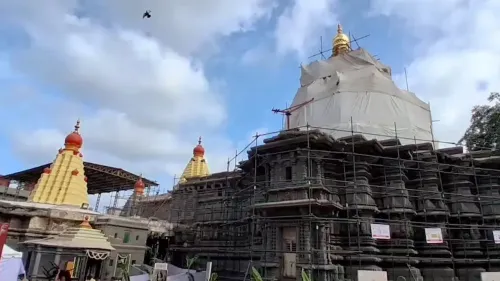
The Ambabai Temple in Kolhapur is among the most important Shakti shrines in India, drawing lakhs of devotees annually. The temple holds deep cultural and religious significance for communities across Maharashtra, Karnataka, and Goa.
Policy Backdrop
Maharashtra governments have periodically announced heritage and temple infrastructure upgrades in the Kolhapur region since the early 2010s. The current initiative reflects a broader pattern of coordination between the Union Home Ministry and state governments on religious-site infrastructure development.
Similar temple development blueprints have been launched at other historic pilgrimage sites across Maharashtra in recent years, forming part of wider state efforts to upgrade facilities, ease crowd management, and promote cultural tourism in regions with significant heritage value.
Stakeholders and Impact
The primary beneficiaries of the development plan are the lakhs of devotees who visit the Ambabai Temple each year, particularly during major festivals. Improved infrastructure is expected to enhance the pilgrimage experience through better facilities, connectivity, and crowd management systems.
The local tourism sector in Kolhapur stands to gain as well. Heritage trusts and local civic bodies managing the temple precinct are key institutional stakeholders in the plan's phased rollout. The project also aligns with broader efforts to position Kolhapur as a cultural tourism destination in southern Maharashtra.
What's Next
Attention will now turn to the phased implementation timeline and the allocation of funds from central and state agencies. Any associated announcements on tourism infrastructure — such as approach roads, visitor amenities, or heritage conservation measures — in Kolhapur district will be closely watched.
The involvement of Amit Shah at the launch underscores the Union government's stake in the project, raising expectations that central funding could supplement state resources. The pace of on-ground work at the temple precinct will be the clearest indicator of the plan's seriousness in the months ahead.
Point of View
Lending both symbolic and potential fiscal heft to such projects. For the BJP-led Maharashtra government, the event reinforces its commitment to cultural and pilgrimage tourism ahead of what is likely to be a period of heightened political activity in the state. The real test, however, will be whether the blueprint translates into on-ground improvements for the millions of devotees who visit Kolhapur each year.
NationPress
19 Sept 2026
Frequently Asked Questions
What is the Ambabai Temple development plan launched by Amit Shah?
The Ambabai Temple development plan is a government blueprint to upgrade infrastructure at the Shri Mahalakshmi (Ambabai) Temple in Kolhapur, Maharashtra. Union Home Minister Amit Shah formally inaugurated the plan on June 21, 2026, in the presence of Chief Minister Devendra Fadnavis.
Where is the Ambabai Temple located?
The Ambabai Temple, formally known as the Karvirnivasini Shri Mahalakshmi Temple, is located in Kolhapur city in southern Maharashtra. It is one of the most revered Shakti shrines in western India.
Why is the Ambabai Temple significant?
The Ambabai Temple is among the most important Shakti pilgrimage sites in India, attracting lakhs of devotees from Maharashtra, Karnataka, and Goa each year, especially during major Hindu festivals.
What role did Devendra Fadnavis play in the Ambabai Temple project?
Maharashtra Chief Minister Devendra Fadnavis was associated with the inauguration event, reflecting the state government's backing for the temple development initiative alongside the Union government.
What will the Ambabai Temple development plan include?
Specific details of the plan have not been officially disclosed yet. The project is expected to cover infrastructure upgrades, improved pilgrim facilities, and possibly tourism-related development in Kolhapur district, with phased timelines and funding to be announced.