Amit Shah Backs ₹1,500 Cr Ambabai Temple Corridor in Kolhapur
Synopsis
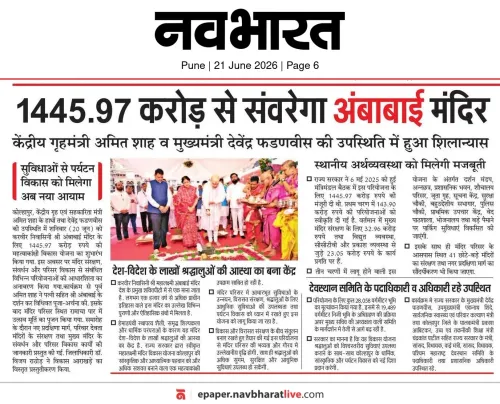
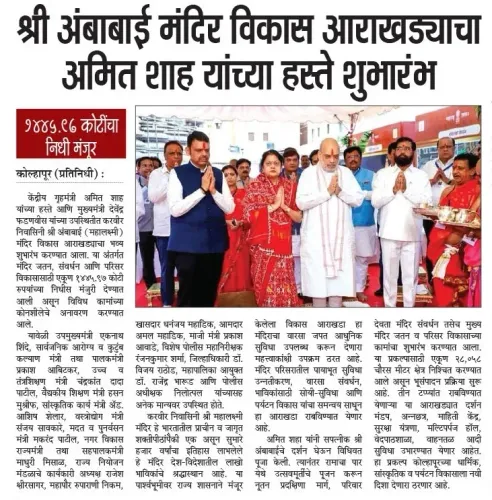
Union Home Minister Amit Shah on 20 June 2026 welcomed the launch of the ₹1,500 crore Ambabai Temple Corridor in Kolhapur, Maharashtra, calling it a renewal of governance grounded in religion and culture — the latest in a series of BJP-backed temple corridor projects across India.
Key Takeaways
Union Home Minister Amit Shah publicly backed the launch of the Ambabai Temple Corridor project on 20 June 2026 .
The project carries an outlay of ₹1,500 crore and is located in Kolhapur, Maharashtra .
The Ambabai Temple (Shri Mahalakshmi Temple) is one of Maharashtra's most significant Shakti Peethas, drawing hundreds of thousands of pilgrims annually.
The corridor follows a broader BJP pattern of temple redevelopments, including the Kashi Vishwanath Corridor (2021), Kedarnath upgrades (from 2014) and Ayodhya Ram Path (2020).
Shah posted in both Hindi and Marathi , framing the project as 'governance rooted in religion and culture' in Maharashtra.
State government notifications on land acquisition, tenders and phased timelines are awaited.
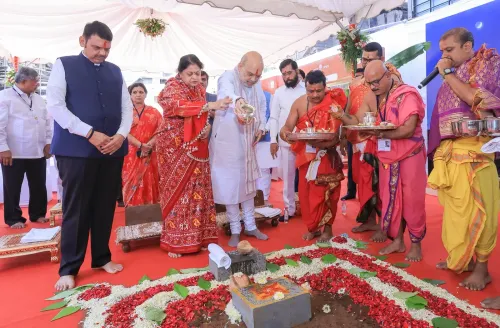
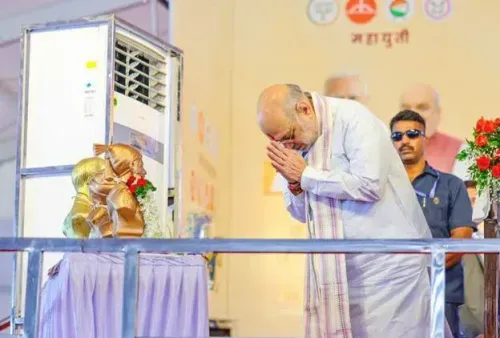
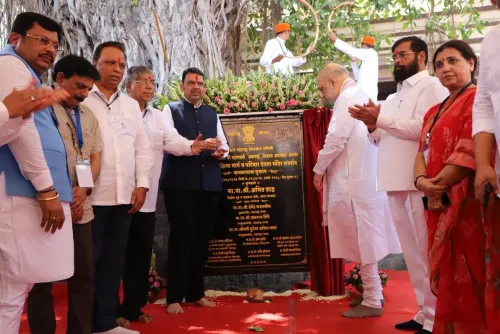
Union Home Minister Amit Shah on Saturday, 20 June 2026, welcomed the launch of the Ambabai Temple Corridor project in Kolhapur, Maharashtra, describing the ₹1,500 crore undertaking as a renewal of governance rooted in faith and culture in the state.
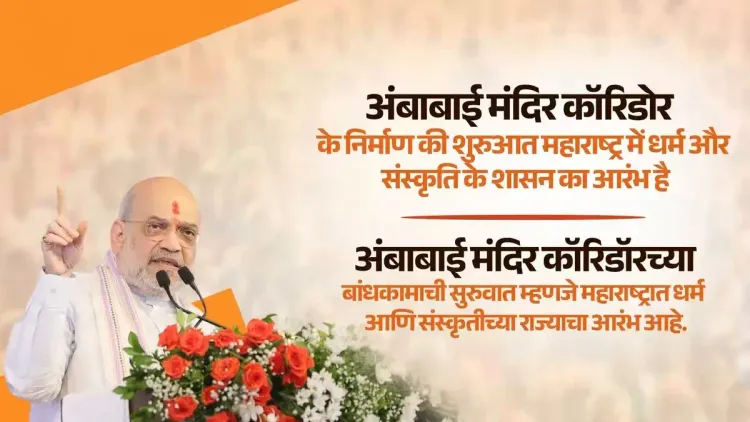
Posting in Hindi and Marathi, Shah wrote: '₹1500 करोड़ की लागत से अंबाबाई मंदिर कॉरिडोर के निर्माण की शुरुआत महाराष्ट्र में एक बार फिर धर्म और संस्कृति के शासन का आरंभ है' — ('The commencement of construction of the Ambabai Temple Corridor at a cost of ₹1,500 crore marks, once again, the beginning of governance rooted in religion and culture in Maharashtra.')
Context
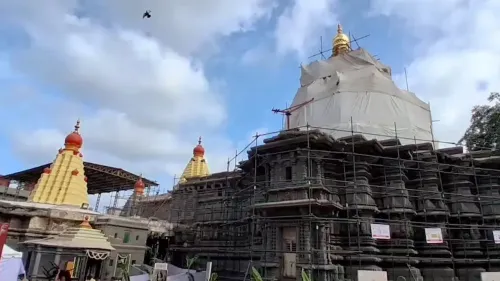
The Ambabai Temple, formally known as the Shri Mahalakshmi Temple, is one of Maharashtra's most revered Shakti Peethas, located in the heart of Kolhapur in western Maharashtra. The shrine draws hundreds of thousands of pilgrims every year and holds deep significance in the Vaishnav and Shakta traditions of the region. The corridor project is aimed at expanding and beautifying the precinct around the ancient temple, improving pilgrim access and amenities.
Policy Backdrop
The Ambabai corridor follows a pattern of corridor-style temple redevelopments pursued by BJP-led governments over the past decade. The Kashi Vishwanath Corridor in Varanasi was inaugurated in December 2021, while infrastructure upgrades around the Kedarnath Temple were initiated after the 2013 floods with central support from 2014 onward. The Ram Path and associated corridor works at Ayodhya were formally launched in 2020. These projects are typically framed as restoring historic sacred landscapes while simultaneously boosting religious tourism revenue for the host region.
Maharashtra has a long history of state-supported religious infrastructure, and Kolhapur's Ambabai Temple has featured in discussions around heritage conservation and pilgrim facilities for several years. The ₹1,500 crore outlay signals the scale at which the current state administration intends to execute the project.
Stakeholders and Impact
The corridor is expected to directly benefit the large volume of pilgrims who visit the Ambabai Temple annually, offering improved pathways, facilities and a more organised precinct. Local traders and hospitality businesses in Kolhapur stand to gain from an anticipated rise in religious tourism. Heritage conservationists will be watching closely to ensure that the ancient temple structure and its surroundings are preserved through the construction phase.
Shah's bilingual post — addressed in both Hindi and Marathi — underlines the political messaging directed at Maharashtra's diverse electorate, signalling that the ruling dispensation sees cultural and religious infrastructure as a core governance priority.
What's Next
Attention will now turn to state government notifications detailing land acquisition plans, tender awards and phased completion timelines for the Ambabai Temple Corridor. The project's execution will be closely tracked by both pilgrims and civic groups in Kolhapur. If the corridor follows the trajectory of comparable projects, a multi-phase rollout spanning several years is likely, with the temple precinct progressively expanded and modernised while remaining operational for worship.
Point of View
Kedarnath and Ayodhya corridor projects. By invoking 'governance rooted in religion and culture', the Home Minister is positioning Maharashtra's current ruling dispensation within a national BJP narrative of reclaiming and restoring Hindu sacred spaces. The bilingual Hindi-Marathi post also reflects a calibrated outreach to Maharashtra's regional identity, where Marathi pride and religious sentiment are potent electoral factors. As the corridor moves from announcement to execution, it will test whether the state can deliver infrastructure at the scale and symbolism the Centre is now publicly associating itself with.
NationPress
19 Sept 2026
Frequently Asked Questions
What is the Ambabai Temple Corridor project?
The Ambabai Temple Corridor is a ₹1,500 crore infrastructure and heritage redevelopment project around the Shri Mahalakshmi (Ambabai) Temple in Kolhapur, Maharashtra, aimed at improving pilgrim access, amenities and the sacred precinct around the ancient Shakti Peeth.
Where is the Ambabai Temple located?
The Ambabai Temple, also known as the Shri Mahalakshmi Temple, is located in Kolhapur, a city in western Maharashtra, and is one of the most important Shakti Peethas in India.
Why did Amit Shah comment on the Ambabai Temple Corridor?
Union Home Minister Amit Shah posted on X on 20 June 2026 to welcome the commencement of construction of the corridor, describing it as a renewal of faith-and-culture-based governance in Maharashtra.
How does the Ambabai corridor compare to other BJP temple projects?
It follows a similar model to the Kashi Vishwanath Corridor inaugurated in December 2021, the Kedarnath Temple infrastructure upgrades initiated from 2014, and the Ayodhya Ram Path launched in 2020 — all corridor-style redevelopments around major Hindu temples under BJP-led administrations.
What will happen next with the Ambabai Temple Corridor?
The focus will shift to state government announcements on land acquisition, tender awards and phased construction timelines; the project is expected to proceed in multiple phases while the temple remains open for worship.