CM Fadnavis Launches Kolhapur Mahalakshmi Temple Development Plan
Synopsis
Maharashtra Chief Minister Devendra Fadnavis on 20 June 2026 inaugurated a new conservation and all-round development plan for the historic Shri Mahalakshmi (Ambabai) Temple in Kolhapur, addressing a grand public thanksgiving ceremony and signalling a fresh chapter in the pilgrimage site's upkeep and growth.
Key Takeaways
CM Devendra Fadnavis inaugurated the Shri Mahalakshmi (Ambabai) Temple development roadmap in Kolhapur on 20 June 2026 .
The plan covers preservation, conservation, and all-round development of the temple, one of western Maharashtra's most significant pilgrimage sites.
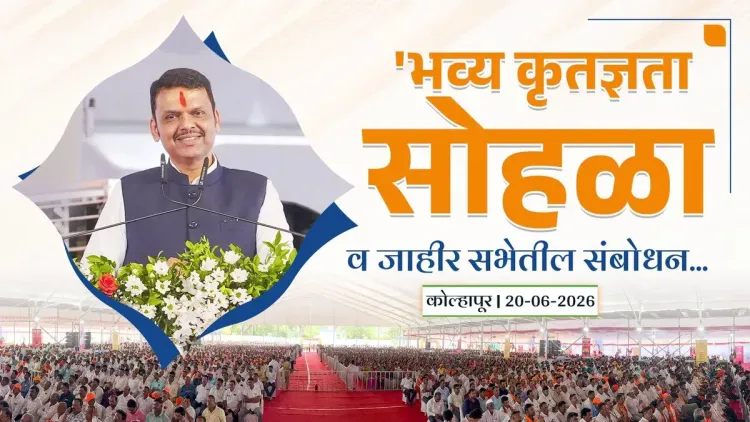
The launch was marked by a grand thanksgiving ceremony ( कृतज्ञता सोहळा ) and a public meeting addressed by the Chief Minister.
Maharashtra governments have funded conservation work at the Kolhapur Mahalakshmi Temple through archaeology and tourism departments since the early 2000s.
Key stakeholders include pilgrims, local traders, heritage conservation bodies, and the broader Kolhapur economy.
Phased execution and budget allocations for the plan will be closely monitored in subsequent state budgets and tourism schemes.
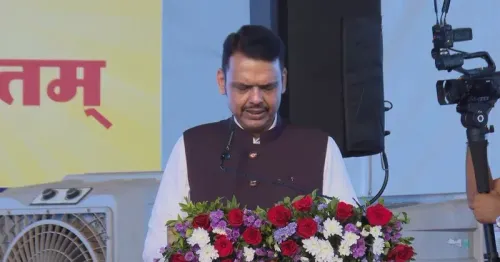
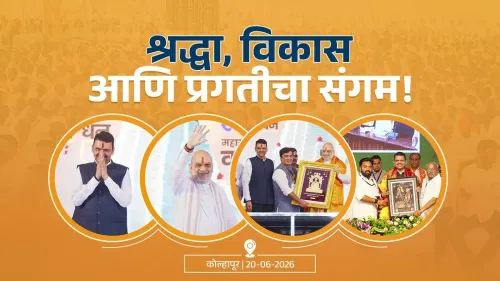
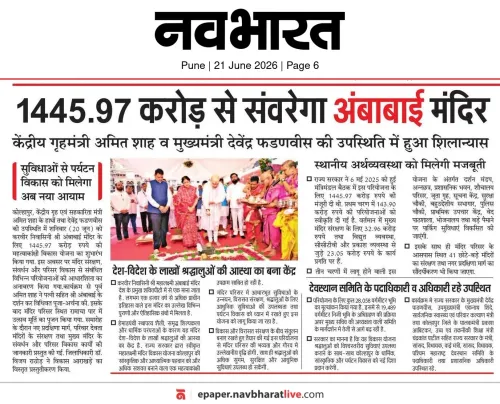
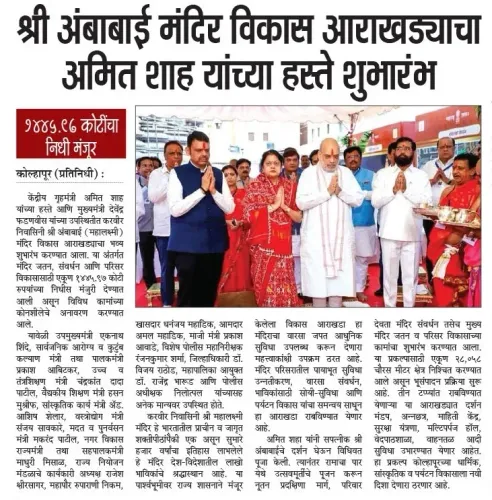
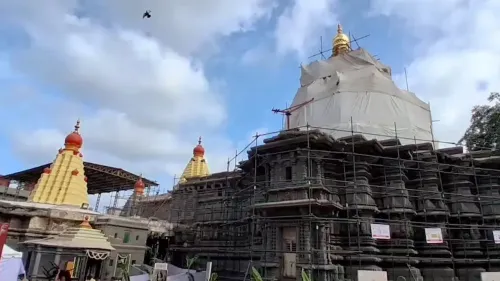
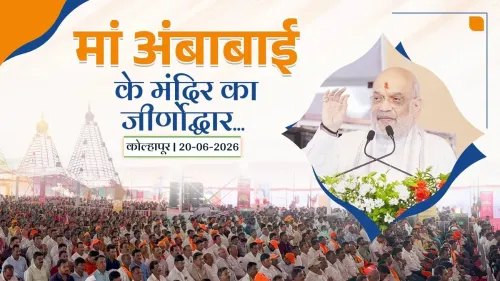
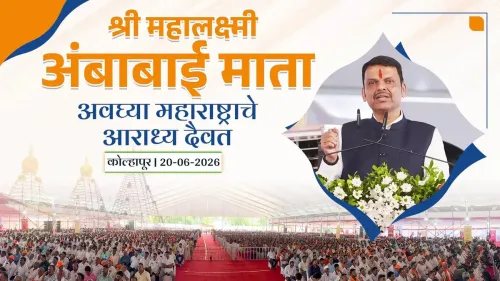
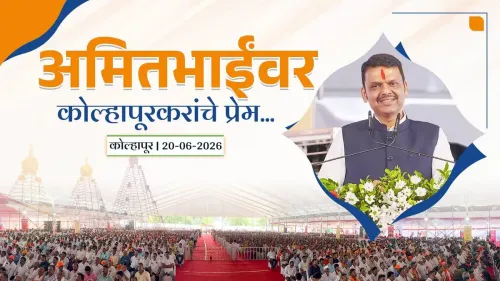
Maharashtra Chief Minister Devendra Fadnavis on Saturday, 20 June 2026, inaugurated a new development roadmap for the historic Shri Mahalakshmi (Ambabai) Temple in Kolhapur, addressing a grand public thanksgiving ceremony held in the temple town to mark the occasion.
Posting on X, CM Fadnavis described the event as the beginning of a new chapter — 'नव्या पर्वाचा शुभारंभ' (the commencement of a new era) — dedicated to the 'preservation, conservation, and all-round development' of the Karvirnivasini Shri Mahalakshmi (Ambabai) Temple. The post was accompanied by a video from the 'grand thanksgiving ceremony and public meeting' (भव्य कृतज्ञता सोहळा व जाहीर सभा) held in Kolhapur.
Context
The Shri Mahalakshmi Temple in Kolhapur is one of the most venerated Hindu pilgrimage sites in western Maharashtra, drawing lakhs of devotees annually. The temple is dedicated to Goddess Mahalakshmi, locally revered as Ambabai, and holds deep religious and cultural significance for the region. The inauguration of a formal development plan signals the state government's intent to invest in both heritage conservation and pilgrim infrastructure at the site.
Policy Backdrop
Maharashtra governments have periodically channelled funds toward conservation works at the Kolhapur Mahalakshmi Temple through state archaeology and tourism departments since the early 2000s. The current initiative follows a broader pattern visible across BJP-led administrations in Maharashtra, where religious-site infrastructure has been systematically integrated with heritage tourism goals. Across India, state governments have stepped up spending on pilgrimage destinations, combining structural preservation with civic amenities such as improved access, sanitation, and visitor facilities.
Stakeholders and Impact
The development plan is expected to benefit a wide range of stakeholders, including lakhs of pilgrims who visit the temple each year, local traders and hospitality businesses in Kolhapur, and heritage conservation bodies responsible for protecting the temple's architectural legacy. For the local economy, enhanced pilgrim infrastructure typically translates into increased footfall and longer visitor stays. Devotee groups and cultural organisations tied to the temple trust are also closely invested in how the plan unfolds.
What's Next
Attention will now turn to the phased execution of the Kolhapur Mahalakshmi Temple development roadmap and any related financial allocations in upcoming state budgets or tourism schemes. The scale and timeline of individual components — covering preservation, visitor amenities, and overall site development — will be closely watched by heritage bodies, local civic groups, and pilgrim communities. How the state government operationalises the plan will serve as a test of its stated commitment to combining religious heritage with sustainable tourism infrastructure.
Point of View
' Fadnavis is simultaneously signalling administrative intent and consolidating political goodwill in a culturally significant temple town. Kolhapur's religious and royal heritage gives such announcements an outsized resonance beyond routine civic projects. The real measure of the initiative will be in its execution — specifically whether the development plan translates into durable conservation outcomes or remains a ceremonial milestone.
NationPress
19 Sept 2026
Frequently Asked Questions
What is the Kolhapur Mahalakshmi Temple development plan launched by CM Fadnavis?
On 20 June 2026, Maharashtra Chief Minister Devendra Fadnavis inaugurated a new roadmap for the preservation, conservation, and all-round development of the Shri Mahalakshmi (Ambabai) Temple in Kolhapur, marking what he called the beginning of a new era for the historic pilgrimage site.
Where is the Ambabai Temple and why is it significant?
The Shri Mahalakshmi (Ambabai) Temple is located in Kolhapur, a city in western Maharashtra. It is one of the most important Hindu pilgrimage sites in the region, dedicated to Goddess Mahalakshmi, and draws lakhs of devotees each year.
What happened at the Kolhapur thanksgiving ceremony on 20 June 2026?
CM Devendra Fadnavis addressed a grand public thanksgiving ceremony and public meeting in Kolhapur following the inauguration of the Mahalakshmi Temple development plan, marking the formal launch of the conservation and development initiative.
Has the Maharashtra government funded the Kolhapur temple before?
Yes. Maharashtra governments have periodically funded conservation and upkeep works at the Kolhapur Mahalakshmi Temple through the state archaeology and tourism departments since the early 2000s, making the latest plan part of a longer policy lineage.
What will the Mahalakshmi Temple development plan include?
The plan covers preservation, conservation, and all-round development of the temple complex. Specific components and timelines are yet to be detailed publicly; phased execution and related budget allocations will be watched in upcoming state budgets and tourism schemes.