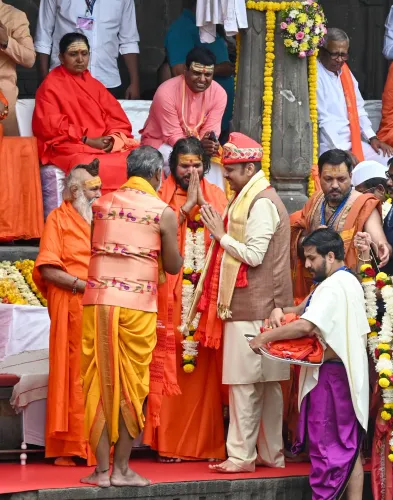
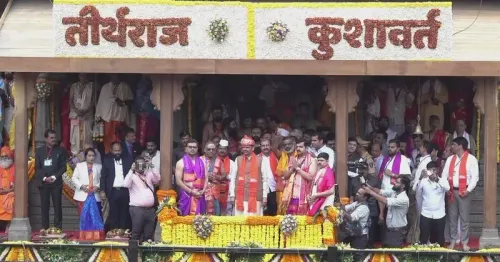
CM Fadnavis arrives in Trimbakeshwar for Simhastha Kumbh 2027 flag hoisting
Synopsis
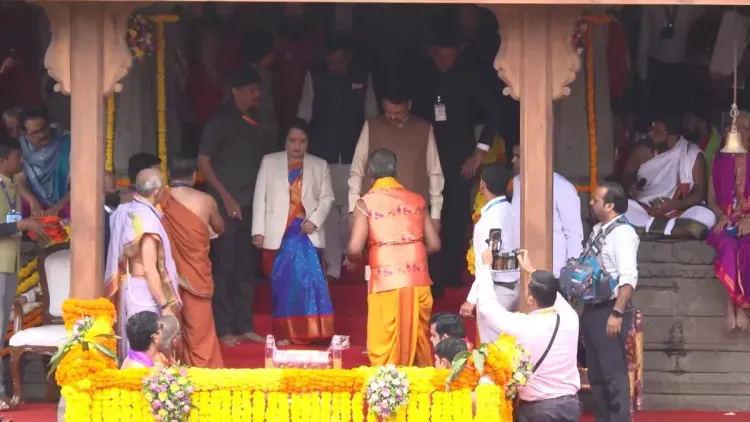
Chief Minister Devendra Fadnavis attended the Dharmadhwaj hoisting at Trimbakeshwar on 31 October 2026, formally initiating state-level preparations for the Nashik-Trimbakeshwar Simhastha Mahakumbh Mela 2027 — a once-in-twelve-years pilgrimage expected to draw millions of devotees.
Key Takeaways
CM Devendra Fadnavis arrived at Trimbakeshwar on 31 October 2026 for the Dharmadhwaj hoisting ceremony.
The ceremony formally signals the start of preparations for the Nashik-Trimbakeshwar Simhastha Mahakumbh Mela 2027 .
The Simhastha Kumbh at Nashik-Trimbakeshwar is held every 12 years , rotating across four Hindu pilgrimage sites based on planetary positions.
The Nashik Trimbakeshwar Kumbh Mela Authority (NTKMA) is the nodal body overseeing all event organisation.
The previous Nashik Simhastha Kumbh was held in 2015 ; the 2027 edition will require multi-year infrastructure and security planning.
Trimbakeshwar houses one of India's twelve Jyotirlingas , making it a key spiritual anchor of the Mela alongside Nashik's Ramkund ghats.
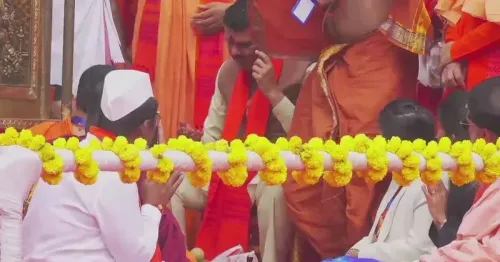
The countdown to one of Hinduism's most sacred mass pilgrimages has begun. Chief Minister Devendra Fadnavis arrived at Trimbakeshwar on Saturday, 31 October 2026, for the Dharmadhwaj Arohan (religious flag-hoisting) ceremony — the ritual that formally marks the launch of preparations for the Nashik-Trimbakeshwar Simhastha Mahakumbh Mela 2027, according to the Chief Minister's Office of Maharashtra.
The flag that signals a twelve-year wait is ending
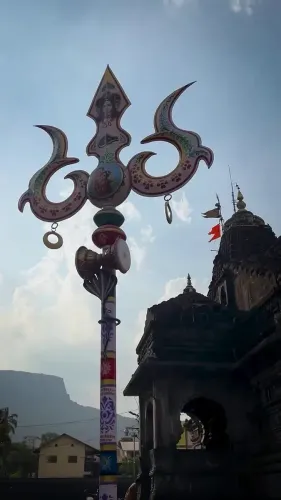
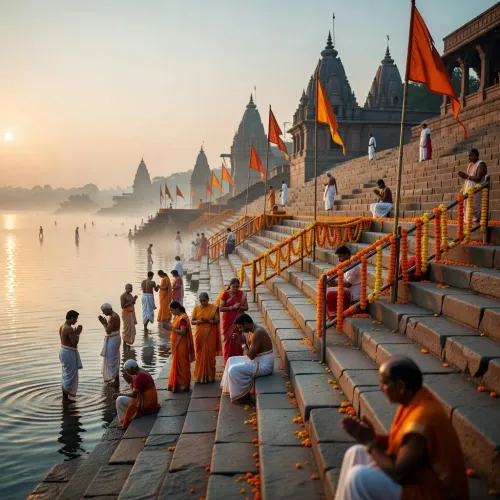
The Dharmadhwaj — the consecrated banner hoisted at the temple town — is not ceremonial theatre. It is the traditional signal that the sacred cycle has turned, and that Nashik and Trimbakeshwar are once again entering the orbit of a Simhastha Kumbh. The event rotates across four pilgrimage sites on a 12-year planetary cycle, with Nashik-Trimbakeshwar hosting its edition when Jupiter enters the zodiac sign of Leo. Millions of Hindu devotees, sadhus, and ascetics are expected to descend on the two towns along the banks of the Godavari river when the Mela opens in 2027.
The Nashik Trimbakeshwar Kumbh Mela Authority (NTKMA) — tagged in the official post — is the nodal body overseeing all organisational work. Fadnavis's presence at this opening ceremony sends an unambiguous signal from the state government: planning at the highest political level has formally begun.
2015 set the benchmark — 2027 must clear it
The last Simhastha Kumbh at Nashik was held in 2015, when the Maharashtra government coordinated massive infrastructure, security, and civic arrangements to manage the influx of pilgrims. That edition drew tens of millions of visitors and placed enormous logistical demands on the district administration and state machinery. The 2027 edition will be measured against — and expected to surpass — that benchmark.
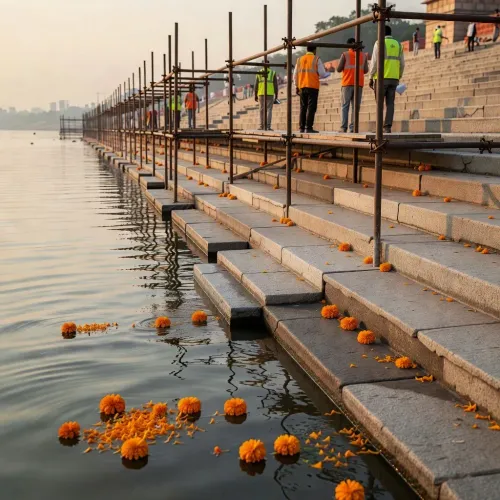
What is already clear is that the state intends to mobilise early. Infrastructure tenders, temporary township planning, sanitation facilities, transport corridors, and security frameworks for an event of this scale typically require multi-year lead times. The flag-hoisting ceremony is, in that sense, also a starting gun for state budget allocations and public-works agencies.
Fadnavis and the politics of pilgrimage infrastructure
For Devendra Fadnavis, who leads the BJP-Mahayuti government in Maharashtra, presiding over the formal commencement of Simhastha Kumbh preparations carries both administrative and symbolic weight. Maharashtra governments across party lines have historically staked considerable political capital on the successful execution of Kumbh Melas — events that blend faith, mass mobilisation, and state capacity in equal measure. Showing up at the Dharmadhwaj Arohan more than a year ahead of the event signals that this administration does not intend to be caught underprepared.
Trimbakeshwar, a temple town in Nashik district roughly 28 kilometres from the city, hosts the Trimbakeshwar Shiva Temple — one of the twelve Jyotirlingas — and forms the spiritual twin to Nashik's Ramkund ghats during the Mela. Together they define one of India's most revered Kumbh circuits.
With the flag now raised, the clock is ticking for Maharashtra's administration, its infrastructure agencies, and millions of pilgrims who will begin booking their journeys. The spiritual season has officially opened.
Point of View
Fadnavis positions his government as proactively owning the event rather than reacting to its demands. With the 2015 Simhastha edition setting a high infrastructure bar, the pressure on the Mahayuti government to deliver a seamless 2027 Mela — and to claim the political dividend that comes with it — is already priced in. Watch the state budget and NTKMA tender activity over the next six months for the real measure of intent.
NationPress
31 Oct 2026
Frequently Asked Questions
When is the Nashik Trimbakeshwar Simhastha Kumbh Mela 2027?
The Nashik-Trimbakeshwar Simhastha Kumbh Mela is scheduled for 2027. The exact dates are determined by planetary positions, specifically when Jupiter enters the zodiac sign of Leo. Formal preparations were launched with a Dharmadhwaj hoisting ceremony on 31 October 2026.
What is the Dharmadhwaj ceremony at Kumbh Mela?
The Dharmadhwaj Arohan, or religious flag-hoisting, is a traditional ritual that formally marks the beginning of Kumbh Mela preparations. It is a sacred signal that the temple town is entering the auspicious cycle leading up to the Mela.
How often is the Simhastha Kumbh held at Nashik?
The Simhastha Kumbh at Nashik-Trimbakeshwar is held every 12 years. The cycle rotates across four pilgrimage sites — Prayagraj, Haridwar, Nashik-Trimbakeshwar, and Ujjain — based on the position of Jupiter. The last Nashik edition was in 2015.
Why is Trimbakeshwar important for the Kumbh Mela?
Trimbakeshwar is a temple town in Nashik district that houses the Trimbakeshwar Shiva Temple, one of the twelve sacred Jyotirlingas. During the Simhastha Kumbh, it serves as the primary ritual centre alongside Nashik's Ramkund ghats on the Godavari river.