CM Fadnavis Attends Pre-Monsoon Session Tea Reception
Synopsis
Maharashtra CM Devendra Fadnavis attended a customary tea reception on 21 June 2026, the eve of the state legislature's Monsoon Session — a recurring pre-session tradition that sets the stage for formal legislative proceedings in the Vidhan Sabha and Vidhan Parishad.
Key Takeaways
CM Devendra Fadnavis attended a pre-Monsoon Session tea reception on Sunday, 21 June 2026 .
The event is a customary pre-session tradition in Maharashtra ahead of each legislative sitting.
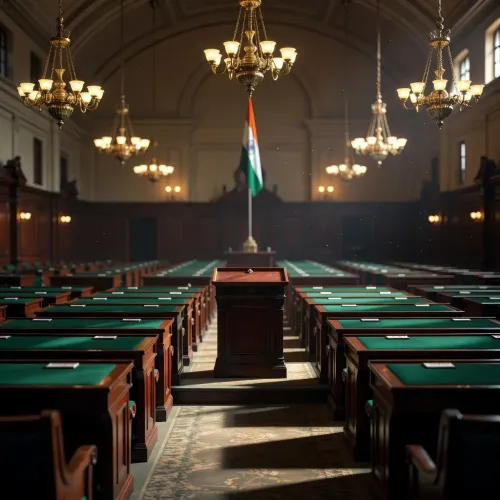
The Maharashtra Legislature is bicameral, comprising the Vidhan Sabha and Vidhan Parishad .
The state holds three regular sessions annually: Budget , Monsoon , and Winter .
The Monsoon Session typically covers supplementary demands, monsoon-related legislation, and key governance matters.
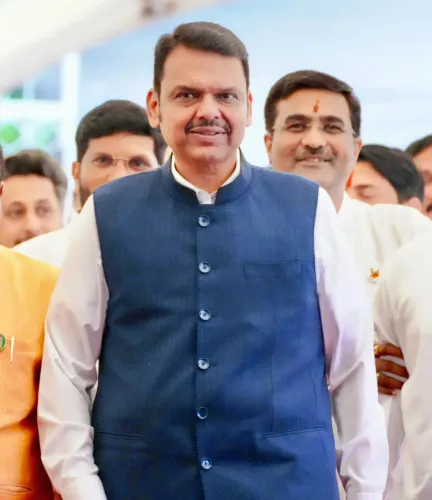
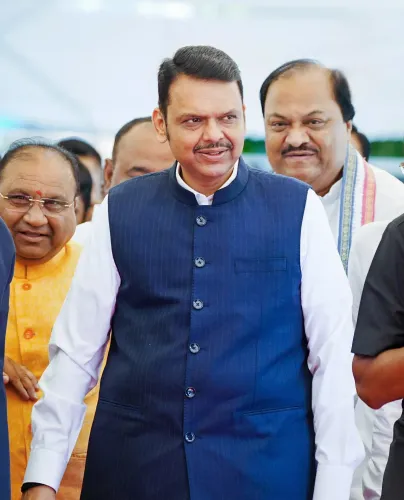
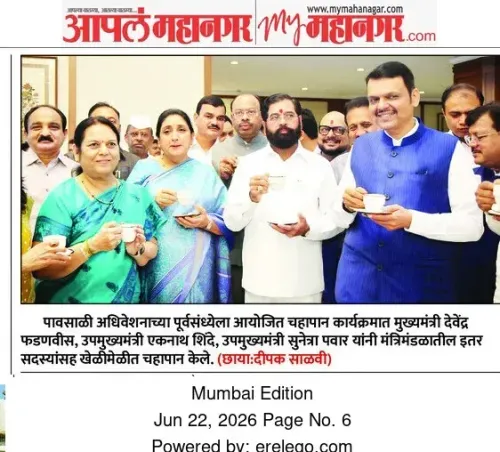
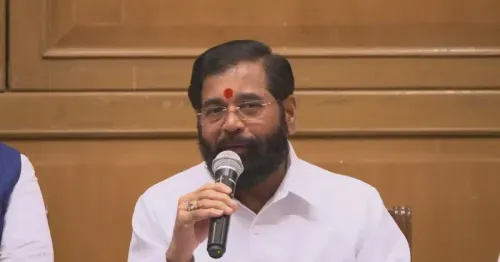
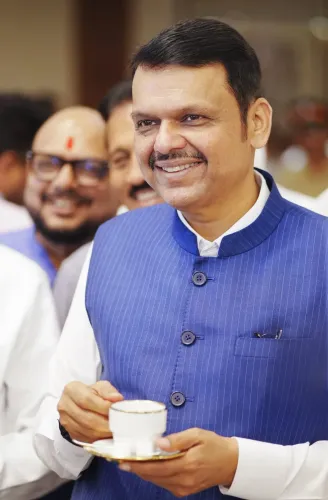
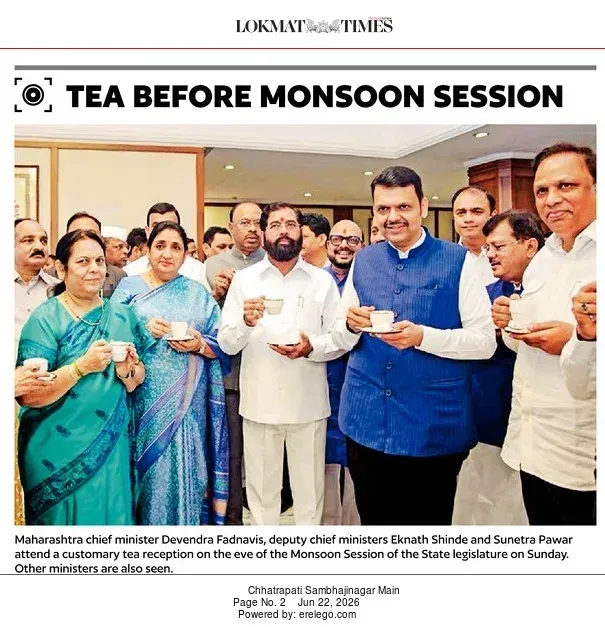
Maharashtra Chief Minister Devendra Fadnavis attended a customary tea reception on Sunday, 21 June 2026, on the eve of the Monsoon Session of the Maharashtra State Legislature. The Chief Minister's Office of Maharashtra shared the development on X, marking the traditional pre-session gathering ahead of the legislature's formal sitting.
Context
The tea reception is a well-established administrative tradition in Maharashtra, held before each legislative session to allow informal coordination among elected representatives. Such gatherings precede the formal convening of the Vidhan Sabha and Vidhan Parishad, the two Houses of the state's bicameral legislature. The event brings together legislators from the treasury benches and, in many instances, members of the opposition as well.
Policy Backdrop
The Maharashtra Legislature convenes three regular sessions each year: the Budget Session, the Monsoon Session, and the Winter Session. The Monsoon Session typically addresses supplementary demands for grants, monsoon-related legislation, and pressing state governance matters. Pre-session receptions have been a recurring feature of this legislative calendar for several decades, providing a structured setting for political dialogue before proceedings formally begin.
Stakeholders and Impact
State legislators across party lines, senior government officials, and administrative staff are the primary participants in such pre-session events. For the ruling dispensation, the reception offers an opportunity to signal readiness and set the tone for the session's legislative agenda. Opposition parties also use such occasions to flag issues they intend to raise on the floor of the House.
What's Next
With the tea reception concluded, the Maharashtra Monsoon Session is set to formally open, bringing with it a legislative agenda expected to cover finance-related business, state policy statements, and monsoon-linked governance priorities. The session's proceedings — including any bills tabled or debates initiated — will be closely watched by stakeholders across the state.
Point of View
Offering the Chief Minister a visible platform to project administrative cohesion before the Monsoon Session opens. For CM Fadnavis, the optics of presiding over such a gathering reinforce executive authority ahead of what is typically a contentious session. Monsoon Sessions in Maharashtra have historically been arenas for sharp opposition scrutiny on agrarian distress, flood relief, and fiscal management — all issues with heightened salience in a state with a large rural population. The reception thus signals readiness, even as the real test lies in the legislative proceedings that follow.
NationPress
22 Jun 2026
Frequently Asked Questions
What is the Maharashtra Monsoon Session?
The Maharashtra Monsoon Session is one of three annual sittings of the state legislature — the Vidhan Sabha and Vidhan Parishad — held during the rainy season to transact government business including supplementary budgets and monsoon-related legislation.
Why did CM Fadnavis attend a tea reception before the Monsoon Session?
The tea reception is a customary pre-session tradition in Maharashtra, providing an informal setting for legislators and government officials to coordinate before the formal opening of the legislative session.
When is the Maharashtra Monsoon Session 2026?
The Maharashtra Monsoon Session 2026 was set to begin after 21 June 2026, following the customary eve-of-session tea reception attended by CM Devendra Fadnavis.
What issues are discussed in the Maharashtra Monsoon Session?
The Monsoon Session typically covers supplementary demands for grants, monsoon and agriculture-related legislation, flood relief matters, and other pressing state governance issues.
What is the CMO Maharashtra?
The CMO Maharashtra refers to the Chief Minister's Office of the Government of Maharashtra, the official office that supports and communicates on behalf of the Chief Minister of the state.