CM Fadnavis backs SIR process to curb bogus voting in Maharashtra
Synopsis
Maharashtra CM Devendra Fadnavis endorsed the Election Commission's Special Intensive Revision (SIR) process on 3 October 2026, saying it curbs bogus voting and honours every eligible citizen's vote, strengthening democracy's foundation across Maharashtra's 288 constituencies.
Key Takeaways
CM Devendra Fadnavis publicly backed the Special Intensive Revision (SIR) process on 3 October 2026 .
SIR is an Election Commission of India exercise to clean electoral rolls by removing fraudulent entries and enrolling new eligible voters.
Fadnavis called SIR's core strength the twin goals of curbing bogus voting and honouring every eligible citizen's vote .
Maharashtra has 288 assembly constituencies , making accurate voter rolls critical to credible election outcomes.
The CM's statement doubles as a civic call, urging citizens to verify registrations and report discrepancies during the SIR window.
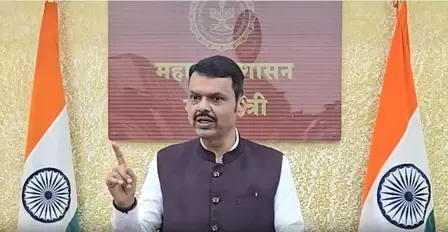
Every vote cast by a genuine citizen carries the weight of democracy — and every fraudulent one dilutes it. On Saturday, 3 October 2026, Maharashtra Chief Minister Devendra Fadnavis threw his full support behind the Special Intensive Revision (SIR) process being carried out by the Election Commission of India, calling it the true foundation of a stronger democratic system in the state.
Posting in Marathi on X, CM Fadnavis stated: 'बोगस मतदानाला आळा घालणे आणि प्रत्येक पात्र नागरिकाच्या मताचा सन्मान राखणे, हीच SIR प्रक्रियेची खरी ताकद आहे.' — translated: 'Curbing bogus voting and honouring the vote of every eligible citizen — that is the true strength of the SIR process.' He added that SIR would make the electoral system more capable and strengthen the foundation of democracy.
What the SIR process does for Maharashtra's voter rolls
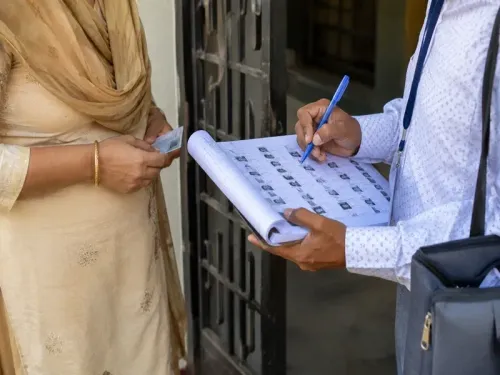
The Special Intensive Revision is a periodic electoral roll exercise conducted by the Election Commission of India, aimed at systematically weeding out duplicate, deceased, or ineligible entries while simultaneously enrolling every legitimate first-time voter. In a state as large and complex as Maharashtra — home to one of India's biggest urban-rural voter bases — clean rolls are not a bureaucratic footnote; they are the precondition for credible elections.
Bogus voting — where ineligible persons cast ballots using fraudulent entries — has historically been cited as a concern in densely populated constituencies. The SIR process addresses this at the root, before polling day, making post-election disputes less likely and results more reflective of actual public will.
Why Fadnavis's endorsement matters now
Maharashtra is a high-stakes political battleground. CM Fadnavis lending his voice explicitly to the SIR drive signals that the state government intends to cooperate fully with Election Commission infrastructure — a message directed both at administrative machinery and at citizens who may be uncertain about the verification process. His framing is notably civic rather than partisan: the emphasis is on every patra nagrik (eligible citizen) having their vote counted, not on any electoral advantage.
The hashtag combination — #Maharashtra, #SIR, and #ElectionCommission — suggests this is also a call to citizens to participate actively in the revision exercise, whether by verifying their own registration, reporting discrepancies, or enrolling for the first time.
A democracy is only as strong as the list it votes from. If the SIR process delivers cleaner rolls across Maharashtra's 288 assembly constituencies, the next election in the state will begin from a more honest baseline — and that, Fadnavis argues, is worth every bit of the effort.
Point of View
He occupies the high ground of institutional credibility at a time when Maharashtra's political landscape remains fiercely contested. The move also nudges state administrative machinery to align visibly with the exercise. If voter roll quality improves measurably before the next cycle, it becomes a governance deliverable the ruling side can legitimately claim.
NationPress
3 Oct 2026
Frequently Asked Questions
What is the SIR process in Maharashtra elections?
SIR stands for Special Intensive Revision, an Election Commission of India exercise that systematically cleans up voter rolls by removing duplicate, deceased, or ineligible entries and enrolling first-time eligible voters before elections.
Why did Devendra Fadnavis support the SIR process?
CM Fadnavis stated that the SIR process curbs bogus voting and ensures every eligible citizen's vote is honoured, arguing it makes Maharashtra's electoral system more robust and strengthens the foundation of democracy.
How does bogus voting affect Maharashtra elections?
Bogus voting occurs when ineligible persons cast ballots using fraudulent voter roll entries, diluting legitimate votes. Clean electoral rolls through SIR reduce this risk before polling day across Maharashtra's 288 assembly constituencies.
What should Maharashtra citizens do during the SIR process?
Citizens should verify their voter registration, report any discrepancies or fraudulent entries they notice, and ensure first-time eligible voters in their household are enrolled during the SIR window.
Is the SIR process specific to Maharashtra?
No, SIR is a nationwide Election Commission of India process, but it is conducted state-by-state. CM Fadnavis's post highlights its specific importance for Maharashtra ahead of future elections in the state.