CM Fadnavis backs SIR to clean up Maharashtra voter rolls
Synopsis
Maharashtra CM Devendra Fadnavis on 7 October 2026 endorsed the Election Commission's Special Intensive Revision exercise, arguing that accurate voter rolls — free of ghost entries and missing names — are the foundation of equal democratic representation in Maharashtra.
Key Takeaways
Maharashtra CM Devendra Fadnavis publicly backed the Special Intensive Revision (SIR) drive on 7 October 2026 .
SIR is an Election Commission of India exercise that removes ineligible or duplicate entries while enrolling newly eligible voters.
Fadnavis framed accurate electoral rolls as a rights-protection measure, not merely an administrative cleanup.
Maharashtra has 288 assembly constituencies , making roll accuracy especially consequential in a state with high urban-migrant mobility.
The Chief Minister's endorsement signals active state-government cooperation with Election Commission field teams during the revision window.
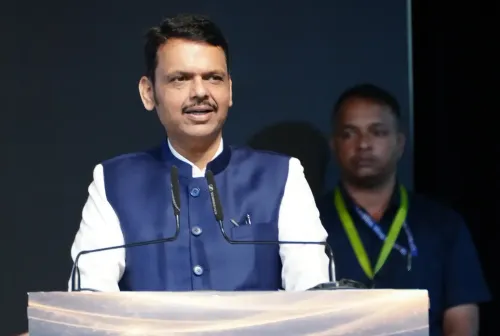
Every vote must count equally — and that, Maharashtra Chief Minister Devendra Fadnavis argues, begins with an electoral roll that is accurate down to the last name. On Wednesday, 7 October 2026, Fadnavis took to X to publicly back the Special Intensive Revision (SIR) exercise being conducted by the Election Commission of India, framing it as a democratic duty rather than a bureaucratic drill.
Posting under the banner of 'One Citizen, One Vote,' Fadnavis wrote that SIR 'aims to make electoral rolls more accurate by identifying incorrect and ineligible entries while protecting the rights of eligible voters.' The message is pointed: clean rolls are not a technicality — they are the structural guarantee that every legitimate ballot carries the same weight.
What SIR actually does — and why it matters in Maharashtra
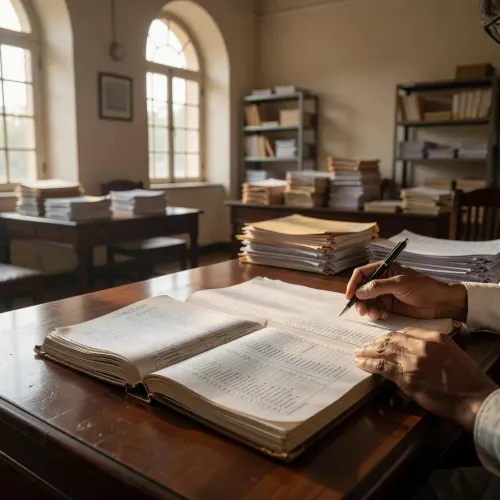
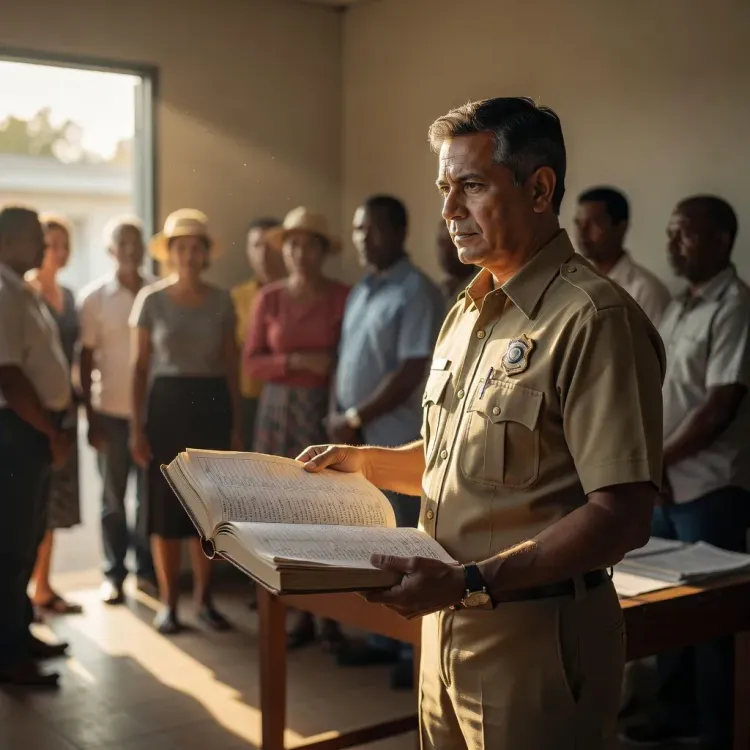
Special Intensive Revision is a periodic process through which the Election Commission systematically audits voter lists — removing duplicate entries, deceased voters, and those who have shifted constituencies, while simultaneously enrolling newly eligible citizens. For a state as vast and diverse as Maharashtra, with its 288 assembly constituencies and millions of urban migrants moving between districts, the exercise carries outsized significance.
Inflated or inaccurate rolls are not a neutral administrative problem. Ghost entries dilute the value of genuine votes; missing entries disenfranchise real citizens. Both distortions, if unchecked, erode public trust in electoral outcomes — and that trust, once lost, is difficult to rebuild.
Fadnavis frames accuracy as a rights issue
The framing Fadnavis chose is deliberate. By pairing 'identifying incorrect and ineligible entries' with 'protecting the rights of eligible voters' in a single sentence, he repositions SIR from a pruning exercise — which opponents sometimes characterise as voter suppression — to an inclusion guarantee. The logic: a bloated roll harms legitimate voters just as surely as a roll with missing names does.
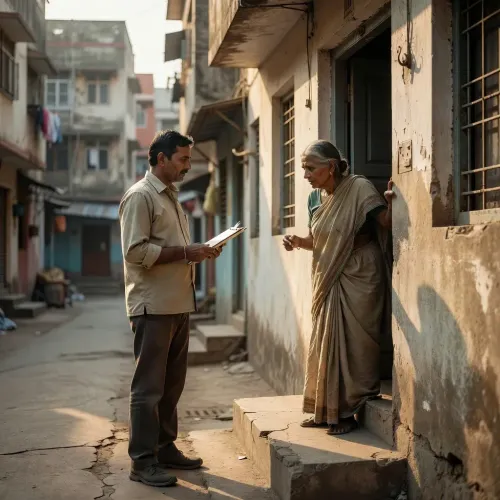
The Chief Minister's public endorsement also signals that the state government intends to cooperate actively with the Election Commission's field teams during the revision window, which typically involves booth-level officers verifying registrations door to door across every constituency.
The democratic stakes
Maharashtra's electoral rolls have historically been subject to scrutiny ahead of every major election cycle. With the state having gone through a high-stakes assembly election in late 2024, any residual anomalies from that cycle make the current SIR exercise especially timely. Accurate rolls heading into future electoral contests remove a ready-made grievance from the post-result conversation.
Fadnavis closed his post with a crisp formula: 'Accurate electoral rolls. Equal value for every vote.' That is the standard. How thoroughly SIR delivers on it — in Maharashtra's dense cities and dispersed rural talukas alike — will be the real measure.
Point of View
He pre-empts the narrative that any deletions are politically motivated. More broadly, a sitting chief minister amplifying an Election Commission process reinforces the Centre-state cooperation the Commission needs for SIR to be credible — particularly in a mega-state where booth-level verification demands massive administrative bandwidth.
NationPress
7 Oct 2026
Frequently Asked Questions
What is Special Intensive Revision (SIR) of electoral rolls?
Special Intensive Revision is a periodic Election Commission of India exercise that audits voter lists to remove duplicate, deceased, or relocated voters and simultaneously enrol newly eligible citizens, ensuring rolls are accurate before elections.
Why is Devendra Fadnavis supporting the SIR drive?
Fadnavis stated that accurate electoral rolls protect the equal value of every legitimate vote. His public backing also signals Maharashtra government cooperation with Election Commission field teams conducting the revision.
How does SIR protect eligible voters rather than disenfranchise them?
SIR works both ways — it removes ineligible or ghost entries that dilute genuine votes, and it also adds newly eligible citizens who were previously missing from the rolls, making the process an inclusion exercise as much as a cleanup.
Which hashtags did Fadnavis use in his SIR post?
Fadnavis tagged the post with #Maharashtra, #SIR, and #ElectionCommission, targeting a statewide audience and tying his message directly to the ongoing Election Commission exercise.
How many assembly constituencies does Maharashtra have?
Maharashtra has 288 assembly constituencies, making it one of India's largest legislative states and giving voter-roll accuracy outsized importance in determining electoral outcomes.