CM Fadnavis Breaks Down Maharashtra SIR 2026 Voter List Data
Synopsis
Maharashtra CM Devendra Fadnavis detailed SIR 2026 electoral roll data on X: a draft list of 7.71 crore voters published on 31 August 2026, an ASDD list for absent or duplicate entries, and Form-6 registration for eligible citizens and first-time voters.
Key Takeaways
Maharashtra's draft voter list under SIR 2026 was published on 31 August 2026 , listing more than 7.71 crore voters , down from a baseline of 9.78 crore .
Voters not in the draft list have been moved to the ASDD (Absent, Shifted, Dead, Duplicate) list, which is publicly available for download polling-station-wise.
Citizens can verify their status using their EPIC number , personal details, or mobile number on the Chief Electoral Officer Maharashtra's website.
Eligible voters missing from the draft roll can apply for inclusion via Form-6 with a declaration, online through the Voter Services Portal or offline at a Voter Registration Office.
First-time voters turning 18 on or before 1 October 2026 are also eligible to apply through Form-6.
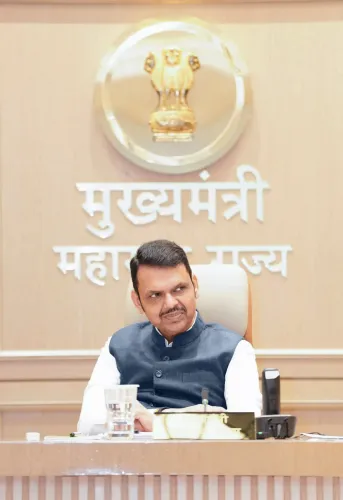
Maharashtra's electoral rolls are in the middle of their most rigorous overhaul in years — and Maharashtra Chief Minister Devendra Fadnavis wants every eligible citizen to know exactly where they stand. On Tuesday, 6 October 2026, the Chief Minister took to X to share a detailed breakdown of the Special Intensive Revision (SIR) 2026 process, urging voters to verify their names and act before the window closes.
Sharing the data in Marathi, Fadnavis wrote: 'अचूक आणि अद्ययावत मतदार यादी, विश्वासार्ह निवडणूक प्रक्रियेचा आधार!' ('An accurate and updated voter list is the foundation of a credible election process!'). The post laid out, point by point, what the SIR exercise has produced so far — and what eligible voters must do next.
From 9.78 crore to 7.71 crore: what the numbers mean
The headline figure in Fadnavis's post is a sharp one. Before the SIR exercise began, Maharashtra's baseline electoral roll carried more than 9.78 crore voters. The draft list published on 31 August 2026 now lists more than 7.71 crore voters — a reduction of roughly two crore entries.
That gap is not deletion; it is cleaning. Voters whose enumeration forms were not received have been moved to a separate ASDD (Absent, Shifted, Dead, Duplicate) list, which has also been made public. Citizens can download the ASDD list polling-station-wise and check their status using their EPIC (Electors' Photo Identity Card) number, personal details, or registered mobile number on the Chief Electoral Officer Maharashtra's website.
How to get back on — or get on for the first time
For eligible voters whose names do not appear in the draft roll, the path back in is straightforward. Form-6, submitted with a declaration, allows any qualified citizen to apply for inclusion. First-time voters who turn 18 years of age on or before 1 October 2026 are also eligible to apply through the same Form-6 route.
Applications can be submitted online through the Election Commission of India's Voter Services Portal, or offline at the office of the concerned Voter Registration Officer. Once verified, qualifying names will be added to the final electoral roll.
Why this revision matters beyond a routine update
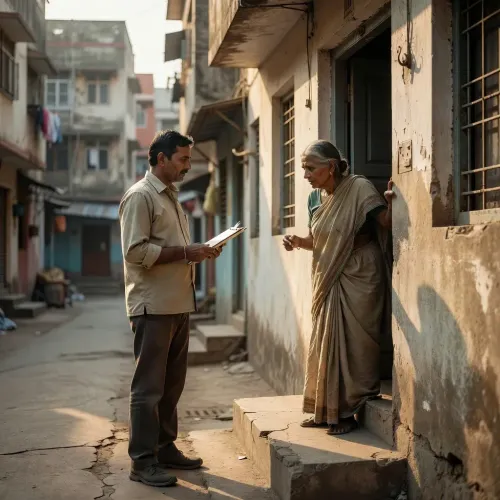
The Special Intensive Revision is not an ordinary annual update. It is a ground-up re-enumeration where booth-level officers physically verify voters door to door — making it the most credible mechanism for weeding out ghost entries, duplicate registrations, and names of deceased or shifted individuals. A cleaner roll means fewer contested results, fewer allegations of bogus voting, and a stronger mandate for whoever wins.
For a state the size of Maharashtra — India's second most populous and politically one of its most consequential — getting the voter list right is not a bureaucratic formality. It is the first line of democratic integrity. Fadnavis's detailed public communication signals an effort to make the process transparent and participatory, pushing the burden of verification onto citizens rather than letting errors compound quietly.
Every eligible voter who has not yet checked the draft list now has a deadline on the clock — and a direct digital route to fix any gap before it costs them their vote.
Point of View
A tension that will define the process's credibility. By foregrounding the ASDD list and the Form-6 remedy simultaneously, the communication attempts to pre-empt that criticism. With Maharashtra's political landscape highly competitive, a clean and defensible voter roll is as much a political insurance policy as it is a democratic imperative.
NationPress
6 Oct 2026
Frequently Asked Questions
What is the Maharashtra SIR 2026 voter list?
The Maharashtra SIR 2026 (Special Intensive Revision) voter list is a revised draft electoral roll published on 31 August 2026, containing more than 7.71 crore voters. It was prepared after a ground-level re-enumeration exercise to remove absent, shifted, deceased, and duplicate entries.
Why has the Maharashtra voter list dropped from 9.78 crore to 7.71 crore?
Voters for whom enumeration forms were not received have been moved to a separate ASDD (Absent, Shifted, Dead, Duplicate) list rather than included in the draft roll. This is a cleaning exercise, not a permanent deletion — affected voters can check the ASDD list and apply for re-inclusion via Form-6.
How can I check if my name is in the Maharashtra draft voter list 2026?
You can check your name on the Chief Electoral Officer Maharashtra's official website using your EPIC number, personal details, or registered mobile number. The ASDD list can also be downloaded polling-station-wise.
How do I add my name to the Maharashtra voter list if it is missing?
Eligible voters whose names are missing from the draft list can submit Form-6 along with a declaration. Applications can be made online on the Election Commission of India's Voter Services Portal or offline at the local Voter Registration Officer's office.
Can new voters who are turning 18 apply under Maharashtra SIR 2026?
Yes. Citizens who turn 18 years of age on or before 1 October 2026 are eligible to apply for voter registration through Form-6 under the SIR 2026 process, either online or offline.