CM Fadnavis breaks ground for Annabhau Sathe Research Institute in Mumbai
Synopsis
Maharashtra Chief Minister Devendra Fadnavis performed the bhoomipooja for the Sahitya Ratna Lokshahir Annabhau Sathe Research and Training Institute in Mumbai on 31 July 2026, honouring the legacy of the celebrated Marathi folk poet, novelist and Dalit activist who lived from 1917 to 1969.
Key Takeaways
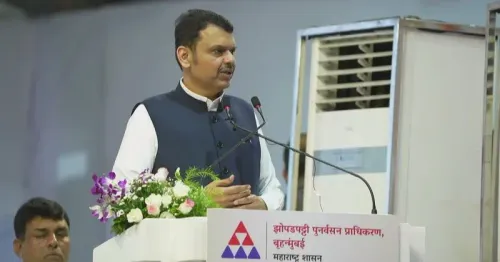
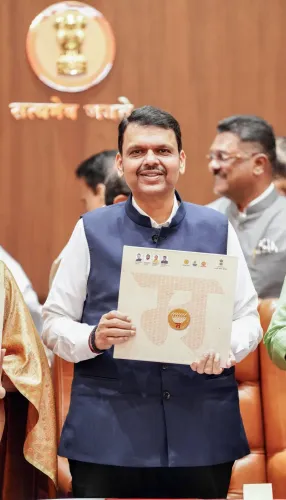
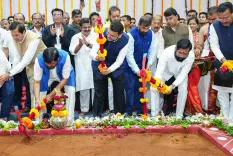
CM Devendra Fadnavis performed the groundbreaking ( bhoomipooja ) for the Annabhau Sathe Research and Training Institute in Mumbai on 31 July 2026 at 1:24 PM .
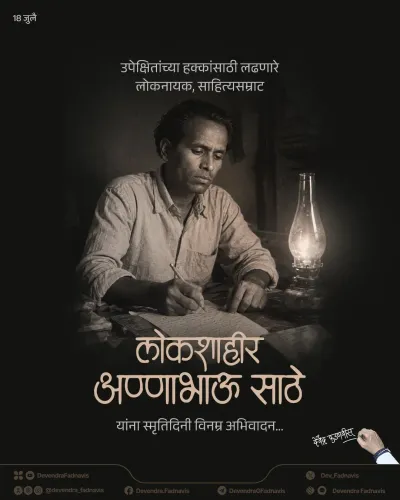
Annabhau Sathe (1917–1969) was a Marathi folk poet, novelist and communist activist celebrated for works like Fakira and his portrayal of Dalit and working-class life.
The institute is dedicated to research and training focused on Sathe's literary works and social legacy.
Maharashtra has a history of establishing memorials, university chairs and awards for major 20th-century Marathi literary figures.
Exact funding, governing structure and academic programmes for the institute have not yet been formally announced.
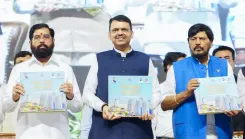
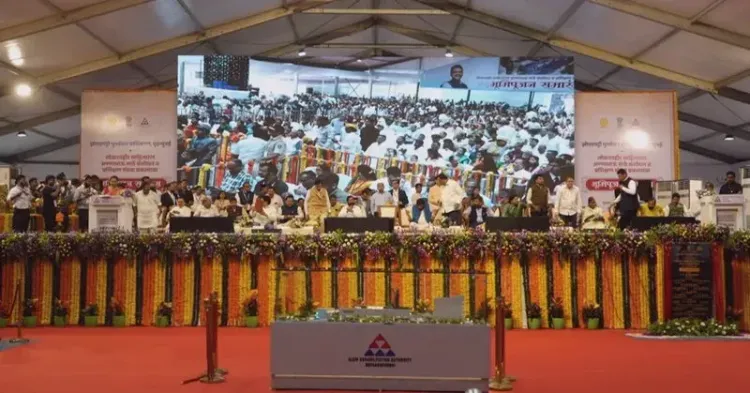
A groundbreaking ceremony in Mumbai on 31 July 2026 marked the beginning of a new chapter in Maharashtra's commitment to its literary heritage — Maharashtra Chief Minister Devendra Fadnavis performed the bhoomipooja (groundbreaking) for the Sahitya Ratna Lokshahir Annabhau Sathe Research and Training Institute at 1:24 PM, honouring one of Marathi literature's most towering and radical voices.
Who was Annabhau Sathe — and why does he still matter?
Tukaram Bhaurao Sathe, known to the world as Annabhau Sathe, was born in 1917 and lived until 1969, leaving behind a body of work that cut to the bone of caste, labour, and human dignity. A folk poet, novelist, and communist activist, he wrote landmark works including Fakira, weaving the struggles of workers and Dalit communities into Marathi's literary canon. Decades after his death, his name carries enormous moral weight — particularly among Dalit literary scholars and working-class cultural movements across Maharashtra.
What the new institute is meant to do
The proposed Annabhau Sathe Research and Training Institute is designed to serve as a dedicated centre for archiving, studying, and propagating Sathe's literary and social legacy. Maharashtra governments have a precedent of establishing university chairs, awards, and memorial bodies for major 20th-century Marathi literary figures — this institute follows that tradition, but with a focused research and training mandate rather than a purely ceremonial function. The exact funding structure and academic programme are yet to be formally announced.
The bhoomipooja positions the project squarely within Maharashtra's broader cultural policy framework, where state patronage of regional literary heritage has long been a tool for both cultural preservation and political outreach to communities whose identity is tied to those figures.
For Marathi literary researchers and Dalit literature scholars, the institute — once operational — could become a significant institutional home for work that has often existed at the margins of mainstream academic funding. What its first academic or archival programmes look like, and when the building itself is completed, will be the real test of the government's intent.
Point of View
Constituencies that both the BJP and its rivals actively court. Institutionalising that legacy through a named research body allows the ruling dispensation to claim custodianship of a radical literary icon without endorsing his communist politics. It also fits a wider national pattern of state governments converting literary and cultural figures into soft-power assets. The real measure of sincerity will come when the institute's academic mandate, funding and independence are made public.
NationPress
31 Jul 2026
Frequently Asked Questions
What is the Annabhau Sathe Research and Training Institute?
It is a new Maharashtra government project dedicated to research and training on the life, literary works and social legacy of Marathi folk poet and Dalit activist Annabhau Sathe. Its groundbreaking was performed by CM Devendra Fadnavis in Mumbai on 31 July 2026.
Who was Annabhau Sathe?
Annabhau Sathe (1917–1969) was a celebrated Marathi writer, folk poet and communist activist known for novels such as 'Fakira' and for works that depicted the lives of Dalit communities and workers in Maharashtra.
Where will the Annabhau Sathe Institute be located?
The institute is being built in Mumbai, the capital of Maharashtra, where CM Fadnavis performed the bhoomipooja on 31 July 2026.
What did CM Devendra Fadnavis do at the Annabhau Sathe event?
Chief Minister Devendra Fadnavis performed the formal groundbreaking ceremony — the bhoomipooja — for the Sahitya Ratna Lokshahir Annabhau Sathe Research and Training Institute in Mumbai on 31 July 2026.
Has Maharashtra set up institutes for Marathi literary figures before?
Yes. Maharashtra governments have a precedent of establishing university chairs, awards and memorial bodies for major 20th-century Marathi literary figures as part of the state's official cultural policy.