CM Fadnavis Briefs Media on Maharashtra Rain Alert
Synopsis
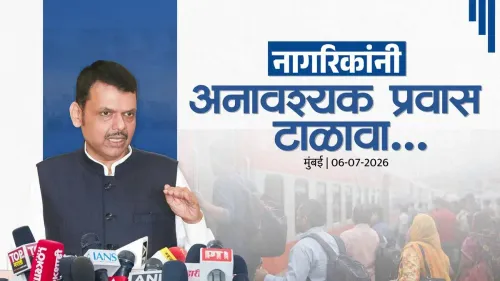
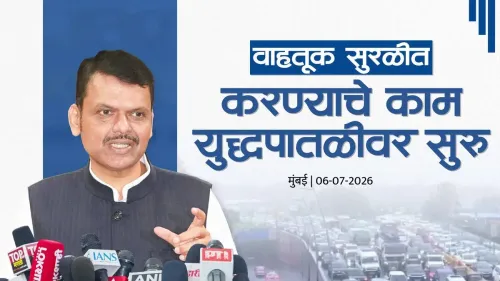
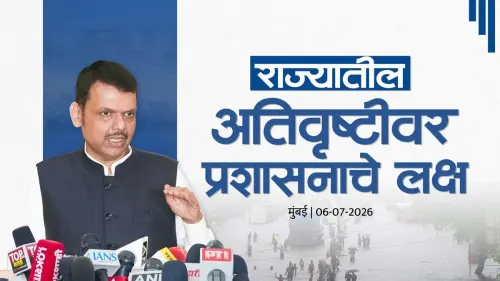
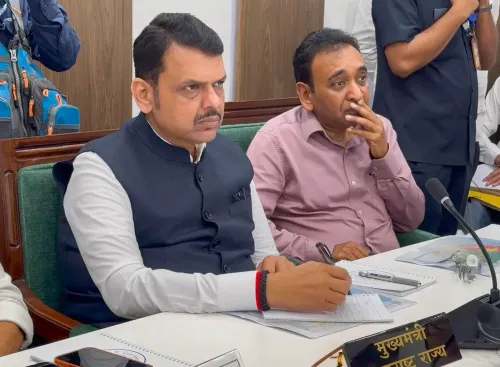
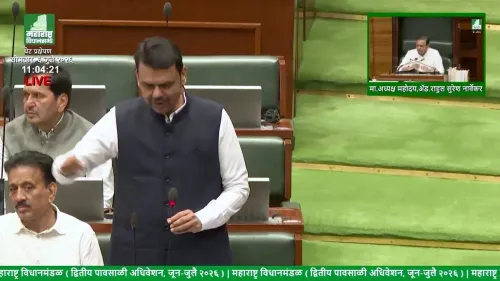
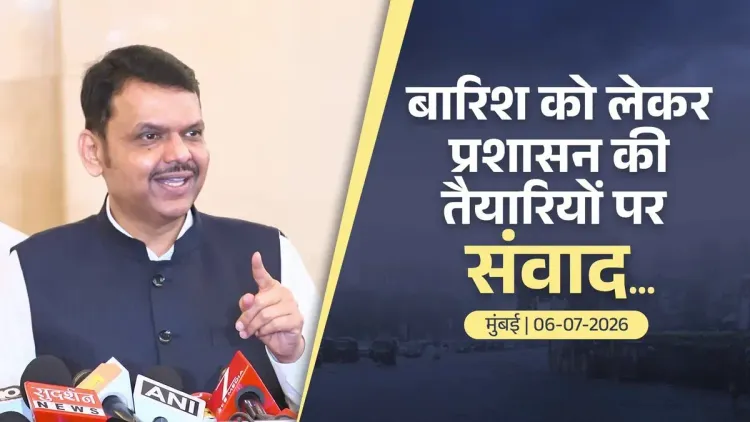
Chief Minister Devendra Fadnavis addressed the media in Mumbai on 6 July 2026, outlining the state's rainfall situation, administrative readiness, and active relief measures, while urging Maharashtra residents to stay alert during the heavy monsoon spell.
Key Takeaways
CM Devendra Fadnavis held a media briefing in Mumbai on 6 July 2026 on the monsoon situation.
The briefing covered four areas: current rainfall conditions, administrative preparedness, relief measures, and a citizen alert.
Maharashtra's disaster-management framework was overhauled after the July 2005 Mumbai floods that killed over 1,000 people .
District-level control rooms, NDRF teams, and IMD bulletins form the backbone of the state's annual monsoon response protocol.
Both urban residents in flood-prone areas and rural farmers with standing kharif crops face risks during heavy monsoon spells.
Further escalation steps may include red-alert notifications, school closures, and additional NDRF deployments if conditions worsen.
Maharashtra Chief Minister Devendra Fadnavis addressed the media in Mumbai on 6 July 2026 to brief the public on the prevailing rainfall situation across the state, outline administrative preparedness, detail relief measures underway, and appeal to citizens to remain vigilant during the ongoing monsoon spell.
Context
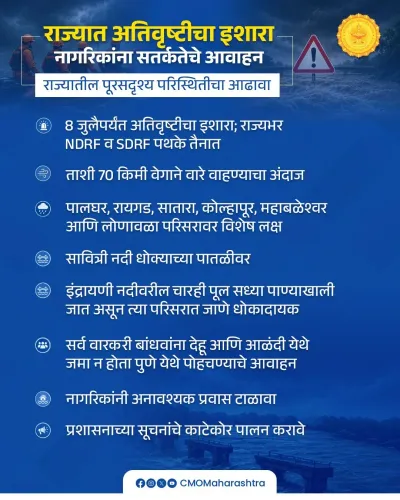
Posting on X, CM Fadnavis described the briefing as covering four key areas: the current rain situation across Maharashtra, the administration's state of readiness, active relief measures, and a direct appeal to residents to stay alert. The post, tagged #Maharashtra #Mumbai #HeavyRainfall, was shared on the afternoon of 6 July 2026, signalling that the government was treating the monsoon situation as requiring immediate public communication.
Mumbai and its surrounding districts regularly bear the brunt of the southwest monsoon, with low-lying areas, coastal zones, and informal settlements particularly vulnerable to waterlogging and flash flooding. The Chief Minister's decision to personally engage with the media underscores the seriousness with which the state administration is monitoring conditions this season.
Policy Backdrop
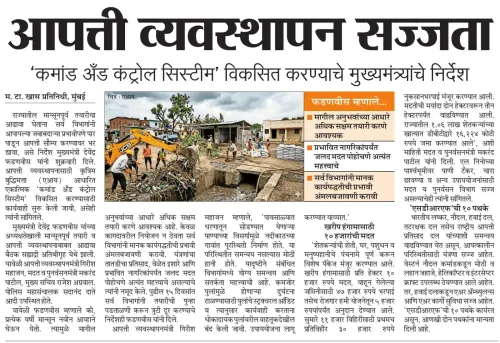
Maharashtra's disaster-management framework was significantly overhauled after the catastrophic July 2005 Mumbai floods, which claimed more than 1,000 lives and paralysed India's financial capital for days. Since then, successive state governments and the Brihanmumbai Municipal Corporation (BMC) have invested in upgraded drainage infrastructure, early-warning systems, and pre-positioned National Disaster Response Force (NDRF) teams.
Annual southwest monsoon seasons now trigger a standard protocol: district-level control rooms are activated, the India Meteorological Department (IMD) issues daily rainfall bulletins, and CM-level briefings are convened when conditions escalate. Fadnavis, who also served as Chief Minister from 2014 to 2019, is familiar with managing these cycles and has previously emphasised coordination between state agencies and municipal bodies.
Stakeholders and Impact
The most directly affected stakeholders are Mumbai's millions of daily commuters, residents of flood-prone wards, and communities in coastal and riverine districts across Maharashtra. Municipal corporations in Mumbai, Pune, Nashik, Thane, and other urban centres are responsible for on-ground response, including pumping out waterlogged roads, opening temporary shelters, and coordinating with state disaster teams.
Farmers in rural Maharashtra face a different but equally pressing concern: excessive or uneven rainfall can damage standing kharif crops at a critical stage of the growing season. The state's relief machinery must therefore balance urban flood response with rural agricultural support simultaneously.
What's Next
Observers will watch for daily IMD rainfall updates and any fresh municipal orders on school closures, traffic diversions, or high-tide advisories for coastal areas. If conditions worsen, the state may escalate to NDRF deployments in additional districts or issue red-alert notifications for specific zones.
The Chief Minister's public briefing sets the tone for how the administration wants to be perceived during the monsoon season — proactive, communicative, and in command. How well the ground-level response matches that messaging will determine public confidence in the state's disaster-management machinery as the season progresses.
Point of View
This briefing fits a broader arc of institutionalising CM-level accountability during monsoon season. Whether the communication translates into measurable on-ground relief will be the real test of the administration's preparedness machinery.
NationPress
7 Jul 2026
Frequently Asked Questions
Why did CM Fadnavis hold a media briefing on 6 July 2026?
CM Devendra Fadnavis held the briefing to update the public on the heavy rainfall situation in Maharashtra , detail government preparedness, announce relief measures, and appeal to citizens to remain vigilant during the monsoon.
Which areas of Maharashtra are most at risk during heavy monsoon rains?
Low-lying wards in Mumbai , coastal districts, and riverine zones across Maharashtra are most vulnerable to waterlogging and flash flooding. Rural areas with standing kharif crops also face risk from excessive or uneven rainfall.
What disaster-management steps does Maharashtra take during the monsoon?
The state activates district-level control rooms, pre-positions NDRF teams, relies on daily IMD rainfall bulletins, and coordinates with municipal corporations for on-ground response including pumping, shelters, and traffic management.
How has Maharashtra improved flood response since the 2005 Mumbai floods?
After the July 2005 Mumbai floods that killed over 1,000 people , the state and BMC upgraded drainage infrastructure, introduced early-warning systems, and established structured disaster-management protocols that are now activated every monsoon season.
What should Mumbai residents do during a heavy rainfall alert?
Residents should follow official advisories, avoid low-lying and waterlogged areas, monitor IMD and municipal updates, and heed any orders on school closures or traffic restrictions issued by local authorities.