CM Fadnavis Chairs Ashadhi Wari Prep Review in Mumbai
Synopsis
Chief Minister Devendra Fadnavis chaired a review meeting at Vidhan Bhavan on 24 June 2026 to finalise Ashadhi Ekadashi Wari preparations, directing all departments to coordinate for lakhs of Warkari pilgrims, continuing the Nirmal Wari drive, and announcing global telecast of the pilgrimage through international channels.
Key Takeaways
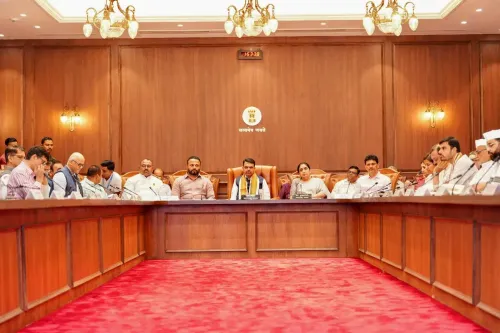
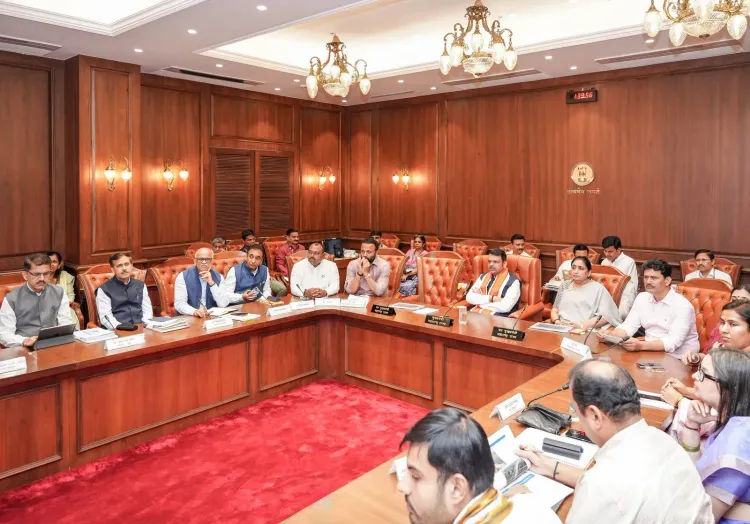
CM Devendra Fadnavis chaired a pre-Ashadhi Ekadashi review meeting at Vidhan Bhavan, Mumbai on 24 June 2026 .
Roads along the palkhi routes have been repaired and strengthened; NHAI has also completed development works on the corridors.
Large German-hanger shelters have been erected at overnight halting points for pilgrims of all major palkhis, including those of Sant Dnyaneshwar Maharaj and Sant Tukaram Maharaj .
The 'Nirmal Wari' cleanliness initiative, effectively implemented in 2025 , will continue this year with coordinated inter-departmental planning.
Guardian Minister of Solapur district named nodal Guardian Minister; Pune Divisional Commissioner designated nodal officer for pilgrimage management.
CM Fadnavis called for a DJ-free Wari and urged celebration in the traditional manner, while assuring positive consideration of demands from palkhi procession leaders.
The Chief Minister's Office of Maharashtra announced on Wednesday, 24 June 2026 that Chief Minister Devendra Fadnavis chaired a comprehensive review meeting at Vidhan Bhavan, Mumbai, to assess preparations for the Ashadhi Ekadashi Wari pilgrimage to Pandharpur, calling on all government departments to coordinate for a safe, clean, and seamless experience for lakhs of pilgrims.
Context
The Ashadhi Wari (Ashadhi pilgrimage) is Maharashtra's most revered annual spiritual event, drawing millions of Warkari devotees who walk hundreds of kilometres to the temple of Vitthal-Rukmini at Pandharpur in Solapur district. The two principal processions carry the palkhis (palanquins) of Sant Dnyaneshwar Maharaj, the 13th-century saint-poet from Alandi, and Sant Tukaram Maharaj, the 17th-century poet-saint from Dehu, both of whom are central to the Warkari Sampradaya, Maharashtra's centuries-old Vaishnava devotional tradition.
CM Fadnavis described the pilgrimage as 'Warkari sampradayachya shraddhecha ani Maharashtrachi sanskrutik paramperacha mahatvapurna sohala' — 'a momentous celebration of the faith of the Warkari community and Maharashtra's cultural tradition' — and directed all departments to ensure that no pilgrim faces inconvenience this year.
Policy Backdrop
The Maharashtra government had in 2025 introduced the 'Nirmal Wari' cleanliness and waste-management initiative along the palkhi corridors, which was reported to have been implemented effectively. CM Fadnavis directed that this year's Wari be planned with the same spirit of collective cooperation, invoking the blessings of Panduranga.
Significant infrastructure work has preceded the 2026 pilgrimage: roads along the palkhi routes have undergone large-scale repair and strengthening, and the National Highways Authority of India (NHAI) has completed various development works on the corridors, making travel safer and smoother for pilgrims on foot and in vehicles.
Large German-hanger shelters have been erected at the overnight halting points of the palkhis of Sant Dnyaneshwar Maharaj, Sant Tukaram Maharaj, and other processions, providing secure and spacious accommodation for lakhs of Warkaris. CM Fadnavis also stated that all facilities would be extended to palkhis originating from outside the Pune division.
Stakeholders and Impact
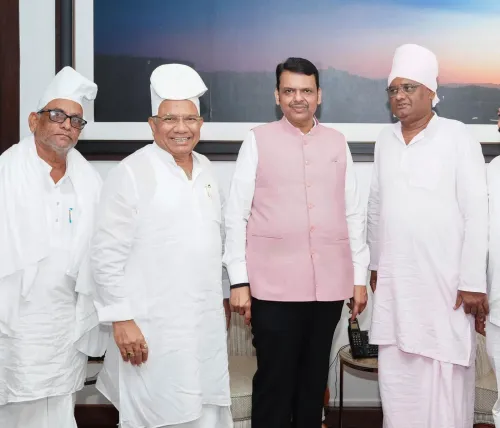
To ensure smooth coordination, the Guardian Minister of Solapur district has been designated as the nodal Guardian Minister, while the Pune Divisional Commissioner has been appointed as the nodal officer for overall pilgrimage management. CM Fadnavis also assured that demands raised by palkhi procession leaders would be given positive consideration.
On the cultural outreach front, the CM stated that this year's Wari would be broadcast globally through Discovery and National Geographic channels, amplifying Maharashtra's devotional heritage to an international audience. The meeting also saw a call for a DJ-free Wari celebration, with the police administration directed to engage all stakeholders to ensure the festival is observed in its traditional form.
The review meeting was attended by Deputy Chief Minister Sunetra Ajit Pawar, Minister Jaykumar Gore, Minister Prakash Abitkar, Minister of State Meghna Bordikar, Minister of State Madhuri Misal, Shri Vitthal Rukmini Mandir Samiti co-chairman Gahininath Maharaj Ausekar, Acharya Tushar Bhosale, and senior officials.
What's Next
With the Ashadhi Ekadashi approaching in July 2026, the government's commitments — German-hanger shelters, reinforced roads, the Nirmal Wari framework, and a DJ-free directive — will face their real test on the ground during the procession weeks. CM Fadnavis affirmed that the government is 'committed to making this year's Wari safer, smoother, and more memorable,' and pledged that all agencies would work in coordination to deliver the best possible experience for every pilgrim.
Point of View
Deploying German-hanger infrastructure, and pursuing international media coverage, the Fadnavis administration is building on a pattern of successive Maharashtra governments treating the Wari as a showcase of state capacity. The DJ-free directive and the call to preserve traditional forms reflect a broader political messaging around cultural authenticity that resonates with the Warkari community's own sensibilities. How effectively the nodal-officer framework translates into on-ground coordination during the actual procession weeks will determine whether these pre-event commitments translate into measurable pilgrim satisfaction.
NationPress
25 Jun 2026
Frequently Asked Questions
When is Ashadhi Ekadashi 2026?
Ashadhi Ekadashi in 2026 falls in July, marking the culmination of the annual Wari pilgrimage to Pandharpur. The Maharashtra government held its preparatory review meeting on 24 June 2026 ahead of the event.
What is the Ashadhi Wari pilgrimage?
The Ashadhi Wari is an annual pilgrimage undertaken by lakhs of Warkari devotees who walk to the Vitthal-Rukmini temple in Pandharpur, Maharashtra. The two principal processions carry the palkhis of Sant Dnyaneshwar Maharaj and Sant Tukaram Maharaj.
What is 'Nirmal Wari' and will it continue in 2026?
'Nirmal Wari' is Maharashtra's cleanliness and waste-management initiative launched along palkhi routes in 2025. CM Fadnavis directed that the initiative be continued in 2026 with coordinated planning across all departments.
What facilities has Maharashtra arranged for Warkari pilgrims in 2026?
The Maharashtra government has repaired and strengthened roads along palkhi routes with support from NHAI, erected German-hanger shelters at overnight halting points for major palkhis, and appointed a nodal Guardian Minister and nodal officer for overall pilgrimage coordination.
Why is CM Fadnavis calling for a DJ-free Ashadhi Wari?
CM Fadnavis called for a DJ-free Wari to preserve the traditional character of the pilgrimage, directing the police administration to engage all stakeholders and ensure the festival is celebrated in its conventional devotional form.