CM Fadnavis Chairs Gargai Dam Review for Mumbai Water Security
Synopsis
Chief Minister Devendra Fadnavis chaired a review of the long-pending Gargai Dam Project on 27 July 2026 in Mumbai, with Deputy CM Eknath Shinde and Minister Ganesh Naik present, signalling a fresh push to secure drinking water for the Mumbai Metropolitan Region.
Key Takeaways
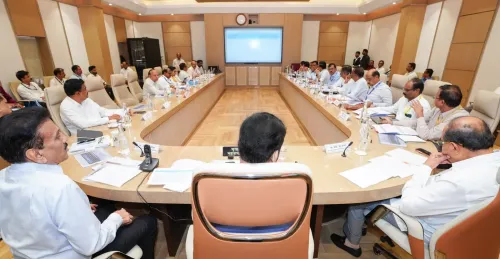
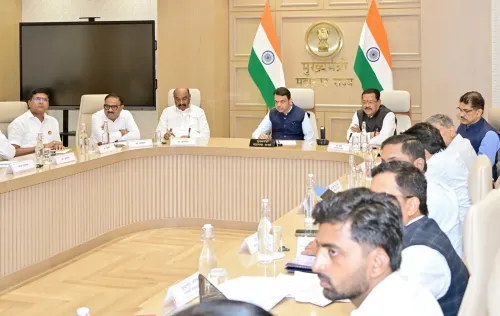
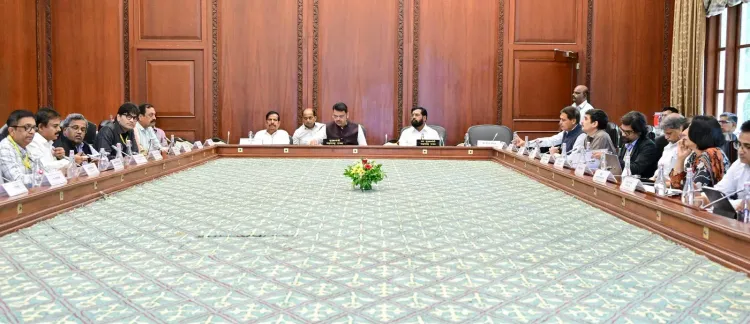
CM Devendra Fadnavis chaired a review meeting on the Gargai Dam Project at Sahyadri Guest House, Mumbai on 27 July 2026 at 3:35 pm .
Deputy CM Eknath Shinde and Minister Ganesh Naik attended alongside senior officials, reflecting high coalition-level commitment.
The Gargai Dam is proposed in the Western Ghats to augment drinking water supply for the Mumbai Metropolitan Region .
The project has been in Maharashtra's water planning pipeline since the mid-2010s and faces pending land acquisition and forest clearances.
Mumbai's approximately 2 crore residents are the primary intended beneficiaries of the project.
Next steps are expected to include progress on clearances and budgetary allocations in upcoming state cabinet or budget sessions.
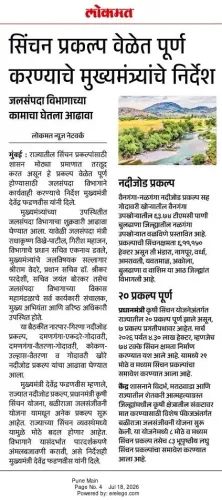
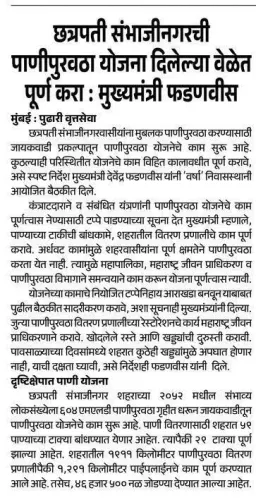
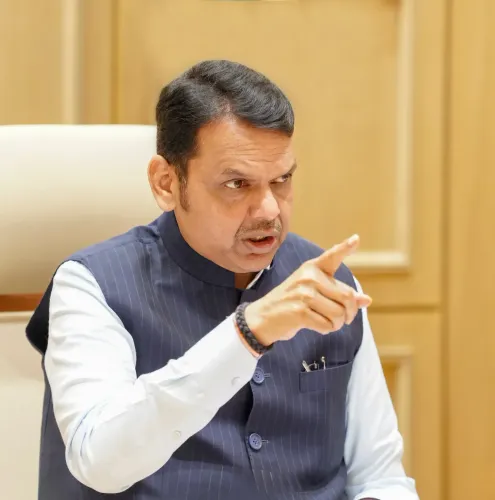
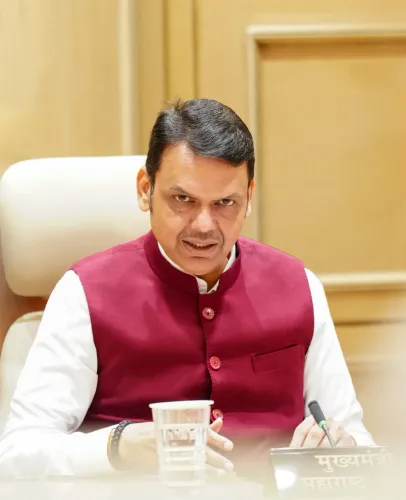
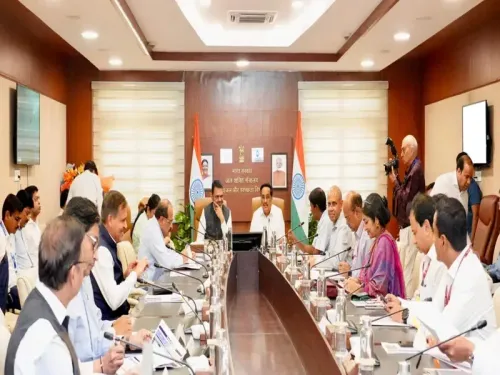
The Chief Minister's Office of Maharashtra announced on Monday, 27 July 2026 that Chief Minister Devendra Fadnavis chaired a high-level review meeting on the Gargai Dam Project at Sahyadri Guest House, Mumbai, at 3:35 pm, aimed at accelerating the initiative to secure drinking water for the Mumbai metropolitan region.
The meeting was attended by Deputy Chief Minister Eknath Shinde, Minister Ganesh Naik, and senior government officials. The CMO's post, shared across Marathi, English, and Hindi, described the gathering as a formal review — 'मुंबईच्या पाणीसुरक्षेसाठी गारगाई प्रकल्पाला वेग' ('Accelerating the Gargai Project for Mumbai's water security') — signalling the coalition's intent to push the long-pending infrastructure forward.
Context
The Gargai Dam Project is a proposed dam in the Western Ghats region, designed to augment the drinking water supply of Mumbai, India's financial capital and one of the most densely populated cities in the world. Mumbai has historically depended on a cluster of lakes and reservoirs — including Tulsi, Vihar, Powai, Modak Sagar, Tansa, Upper Vaitarna, and Middle Vaitarna — for its annual water supply. The Gargai project is intended to add a new source to this network, reducing the city's vulnerability to monsoon variability and population-driven demand growth.
The project has been part of Maharashtra's water planning discussions since at least the mid-2010s, but has faced procedural delays including land acquisition, environmental clearances, and forest diversion approvals. Monday's review signals a fresh push at the highest level of the state executive.
Policy Backdrop
Successive Maharashtra governments have prioritised dam and reservoir projects feeding the Mumbai Metropolitan Region (MMR) as the city's population and economic footprint continue to expand. CM Fadnavis, who also led the state between 2014 and 2019, has consistently positioned urban water security as a core infrastructure priority. The current ruling coalition — comprising Fadnavis's BJP and Shinde's Shiv Sena faction, among others — has continued this focus through structured, high-level monitoring of pending projects.
The presence of Deputy CM Eknath Shinde and Minister Ganesh Naik at the review underscores the political weight the coalition is placing on the project, reflecting a broader pattern of deploying senior ministers to signal commitment on infrastructure timelines.
Stakeholders and Impact
Mumbai's approximately 2 crore residents stand as the primary beneficiaries of any successful augmentation of the city's water supply. Chronic shortages, particularly during lean monsoon years, have periodically forced the Brihanmumbai Municipal Corporation (BMC) to impose water cuts across the city's wards. The Gargai project, if completed, would provide a significant buffer against such shortfalls.
However, project-affected villages in the dam's submergence zone represent a key stakeholder group whose concerns around rehabilitation and compensation will need to be addressed as the project moves forward. Forest clearances also remain a critical regulatory milestone given the project's location in ecologically sensitive terrain.
What's Next
Following the 27 July 2026 review meeting, the government is expected to move on outstanding procedural requirements — including land acquisition progress, forest and environmental clearances, and budgetary provisioning. Announcements tied to these milestones are likely to surface in upcoming cabinet meetings or during the state's budget sessions. The pace at which the coalition translates Monday's high-level review into on-ground action will be the key indicator of the project's trajectory.
Point of View
Deputy CM, and a cabinet minister together — on a single infrastructure project is a deliberate political signal, not merely administrative routine. For the Fadnavis-Shinde coalition, the Gargai Dam represents an opportunity to demonstrate delivery on urban infrastructure in Maharashtra's most electorally significant city. The project's decades-long gestation means the government must now convert high-visibility meetings into verifiable milestones — clearances, allocations, and ground-breaking — if it is to translate intent into credibility. How swiftly the state navigates forest and environmental approvals will be the real test of this renewed political momentum.
NationPress
27 Jul 2026
Frequently Asked Questions
What is the Gargai Dam Project?
The Gargai Dam Project is a proposed dam in Maharashtra's Western Ghats region intended to augment the drinking water supply for Mumbai and the wider Mumbai Metropolitan Region, addressing the city's chronic water scarcity.
Why did CM Fadnavis hold a review meeting on the Gargai Dam?
CM Devendra Fadnavis chaired the review on 27 July 2026 to assess progress and accelerate the Gargai Dam Project, which has been pending for years due to land acquisition and environmental clearance challenges.
Who attended the Gargai Dam review meeting on 27 July 2026?
Deputy Chief Minister Eknath Shinde, Minister Ganesh Naik, and senior government officials attended the review meeting chaired by CM Devendra Fadnavis at Sahyadri Guest House in Mumbai.
How will the Gargai Dam help Mumbai's water supply?
The Gargai Dam would add a new reservoir source to Mumbai's existing water network, reducing the city's dependence on monsoon-variable lakes and providing a buffer against water cuts during lean rainfall years.
What are the main hurdles facing the Gargai Dam Project?
The key obstacles include land acquisition for project-affected villages, forest diversion approvals given the ecologically sensitive Western Ghats location, environmental clearances, and adequate budgetary provisioning.