CM Samrat Choudhary Lays Foundation of Dairy, Fuel Units in Nalanda
Synopsis
Chief Minister Samrat Choudhary on 27 July 2026 laid the foundation of a 20 MT/day curd-lassi plant, a COMFED-operated HPCL petrol pump, and a Sudha Cafeteria at the Biharsharif Dairy Project campus in Nalanda, expanding Bihar's cooperative dairy infrastructure.
Key Takeaways
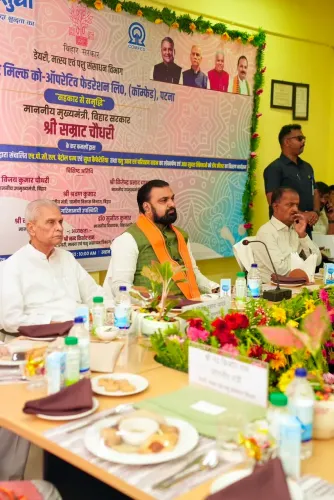
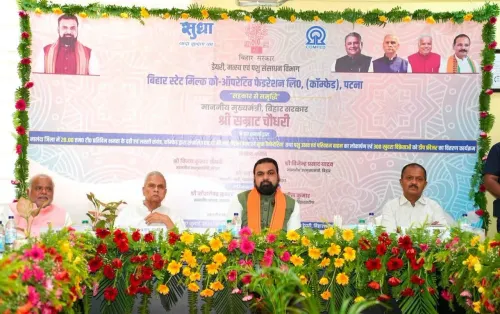
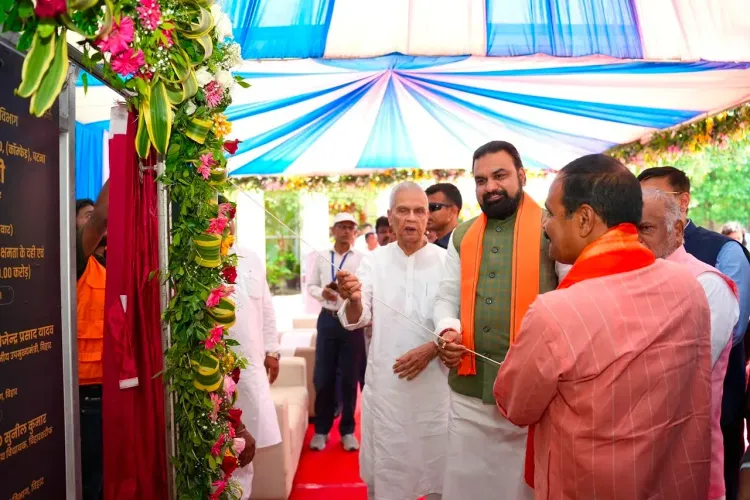
Chief Minister Samrat Choudhary performed the foundation-laying at Biharsharif Dairy Project complex in Nalanda on 27 July 2026 .
A new curd and lassi plant with a daily processing capacity of 20 metric tonnes will be built at the site.
COMFED will operate an HPCL petrol pump at the campus, diversifying the cooperative's revenue streams.
A Sudha Cafeteria will provide a direct consumer retail touchpoint for COMFED's branded dairy products.
COMFED , established in 1983 , operates the Sudha brand and anchors Bihar's cooperative dairy network.
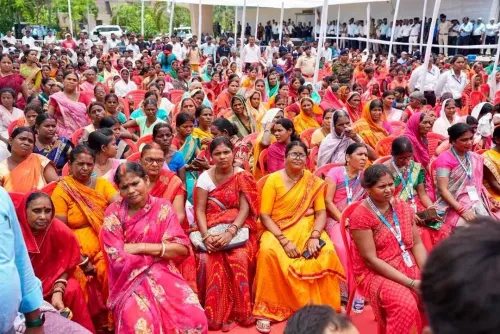
The project is expected to benefit dairy farmers and rural consumers in Nalanda and surrounding districts.
The Chief Minister's Office of Bihar announced on Monday, 27 July 2026 that Chief Minister Samrat Choudhary laid the foundation stone of three new facilities at the Biharsharif Dairy Project complex in Nalanda district, marking a significant push for dairy-sector infrastructure in the state.
The post, shared from the official CMO Bihar account, stated that Choudhary performed the shilannyas (foundation-laying) of a curd and lassi plant with a capacity of 20 metric tonnes per day, an HPCL petrol pump operated by COMFED, and a Sudha Cafeteria — all within the same dairy project campus.
Context
COMFED, the Bihar State Milk Co-operative Federation Ltd., was established in 1983 to promote dairy cooperatives and milk processing across the state. It operates the well-known Sudha brand, which markets milk and value-added dairy products through an extensive cooperative network. The Biharsharif facility in Nalanda now becomes a focal point for scaling up processed dairy output in the region.
The simultaneous foundation-laying of three distinct units — a processing plant, a fuel retail outlet, and a consumer-facing cafeteria — signals an intent to create a self-sustaining dairy ecosystem at a single campus rather than isolated infrastructure investments.
Policy Backdrop
Bihar governments have consistently expanded COMFED's processing capacity over the decades, with a stated goal of boosting value-added dairy products and improving rural incomes for milk-producing farmers. A 20 metric tonne per day curd and lassi plant represents a meaningful addition to the cooperative's production portfolio, targeting both local retail demand and packaged consumer markets.
The inclusion of an HPCL petrol pump under COMFED's operation is part of a broader diversification strategy. Cooperative tie-ups with central public sector undertakings such as Hindustan Petroleum Corporation Limited (HPCL) allow dairy federations to generate supplementary revenue streams, cross-subsidising core milk procurement and processing operations. This model has been explored in other states as well, making Bihar's adoption of it consistent with a national cooperative diversification trend.
Stakeholders and Impact
Dairy farmers in Nalanda and surrounding districts stand to benefit most directly. A higher-capacity processing unit creates stronger demand for raw milk procurement, potentially improving the price realisation and regularity of payments for cooperative members. Rural consumers in the Biharsharif area gain access to branded, quality-assured curd and lassi products under the Sudha label.
The Sudha Cafeteria component adds a retail and hospitality dimension, giving COMFED a direct consumer touchpoint. Such cafeterias have previously served as brand-building exercises for state dairy cooperatives, offering fresh dairy products and snacks at accessible price points. The co-located HPCL pump further increases footfall at the campus, creating a multi-service node for the district.
What's Next
The key milestone to watch is the commissioning timeline for the 20 MT per day curd and lassi plant. Foundation-laying events mark the beginning of construction, and the actual operational date will determine when farmers and consumers feel the economic impact. Capacity utilisation figures post-commissioning will indicate whether the investment translates into sustained procurement and market offtake.
Any further COMFED-HPCL collaborations at other dairy campuses across Bihar could signal a replicable model that the state government intends to scale. The Nalanda project, given its proximity to a historically significant district, may also attract attention as a template for district-level agri-infrastructure investment across the state.
Point of View
A cooperative-run fuel outlet, and a branded cafeteria at a single campus reflects a deliberate shift from single-purpose dairy infrastructure to integrated agri-commercial nodes. For CM Samrat Choudhary, the event in Nalanda — a district with symbolic and electoral weight — underscores the BJP-led government's intent to align rural economic development with visible, on-ground delivery. The COMFED-HPCL tie-up is particularly telling: it mirrors a national trend of cooperative bodies seeking non-core revenue to sustain procurement price commitments to farmers. Whether this model scales to other districts will be a meaningful indicator of the government's seriousness about cooperative sector reform in Bihar.
NationPress
27 Jul 2026
Frequently Asked Questions
What did CM Samrat Choudhary inaugurate at Biharsharif in Nalanda?
CM Samrat Choudhary laid the foundation stone of a 20 metric tonne per day curd and lassi plant, a COMFED-operated HPCL petrol pump, and a Sudha Cafeteria at the Biharsharif Dairy Project complex in Nalanda on 27 July 2026.
What is COMFED and what is its role in Bihar?
COMFED, the Bihar State Milk Co-operative Federation Ltd., was established in 1983 to promote dairy cooperatives and milk processing across Bihar. It operates the Sudha brand and manages milk procurement, processing, and distribution through a cooperative network.
What is the capacity of the new curd and lassi plant in Biharsharif?
The new plant at the Biharsharif Dairy Project campus has a designed capacity of 20 metric tonnes per day for curd and lassi production.
Why is COMFED running an HPCL petrol pump at a dairy campus?
The COMFED-HPCL petrol pump represents a revenue diversification strategy for the dairy cooperative. Income from the fuel retail outlet can supplement COMFED's core dairy operations and support better milk procurement prices for farmers.
Who benefits from the Biharsharif dairy project expansion?
Dairy farmers in Nalanda and neighbouring districts benefit through increased raw milk demand and better procurement. Rural consumers gain access to branded Sudha dairy products locally, while the Sudha Cafeteria provides an additional retail outlet for fresh dairy items.