PUCC validity extended to 3 years for BS-VI private vehicles under MoRTH draft

Synopsis
MoRTH's draft PUCC overhaul flips the compliance logic: newer BS-VI vehicles get up to three years of validity, while ageing BS-I to BS-IV vehicles face quarterly checks. It is the most significant restructuring of India's vehicle pollution certification system in years, directly affecting millions of vehicle owners across every emission category.
Key Takeaways
MoRTH has issued a draft notification proposing a tiered overhaul of PUCC validity rules.
BS-VI private vehicles under 6 years old would get a 3-year PUCC validity, up from one year.
BS-VI commercial vehicles under 6 years old are proposed a 2-year validity.
BS-IV vehicles face stricter 6-month renewal cycles, down from one year.
BS-I, BS-II, and BS-III vehicles must renew every 3 months under the proposed rules.
India adopted BS-VI standards from April 2020 , skipping BS-V, with fuel sulphur capped at 10 ppm .
The Ministry of Road Transport and Highways (MoRTH) has issued a draft notification proposing a sweeping overhaul of the Pollution Under Control Certificate (PUCC) validity and renewal framework, with the most significant relief going to owners of newer, cleaner BS-VI vehicles. The proposed rules, announced on 27 July, create a tiered compliance structure that rewards cleaner vehicles with longer validity windows while imposing stricter testing schedules on older, higher-emitting ones.
Key Proposed Changes by Vehicle Category
BS-VI private vehicles up to 6 years old stand to gain the most: PUCC validity would be extended from the current one year to three years, substantially cutting compliance costs and paperwork for millions of car and two-wheeler owners. BS-VI commercial vehicles in the same age bracket are proposed a two-year validity period.
As vehicles age, the renewal frequency tightens. BS-VI vehicles between 6 and 10 years old would require annual renewal, while those above 10 years must renew every 6 months.
Stricter Norms for Older Emission Standards
For vehicles running on older emission standards, the proposed rules move in the opposite direction. BS-IV vehicles — which were the national standard from 2017 to 2020 — would face renewal every 6 months, tightened from the previous one-year cycle. The oldest category, covering BS-I, BS-II, and BS-III vehicles, would be required to renew their PUCC every 3 months, reflecting concern over significantly higher tailpipe emissions from these ageing fleets.
What Are Bharat Stage Emission Standards?
Bharat Stage (BS) standards are India's regulatory framework setting maximum permissible limits for vehicular pollutants including carbon monoxide (CO), nitrogen oxides (NOx), hydrocarbons (HC), and particulate matter (PM). The standards are aligned with European emission norms and have been progressively tightened over the years.
India made a landmark leap in April 2020, skipping BS-V entirely and jumping directly to BS-VI — a move designed to accelerate pollution control. BS-VI fuels are ultra-clean, capped at a maximum sulphur content of 10 parts per million (ppm), a sharp reduction from the 50 ppm permitted under BS-IV.
Why This Overhaul Matters
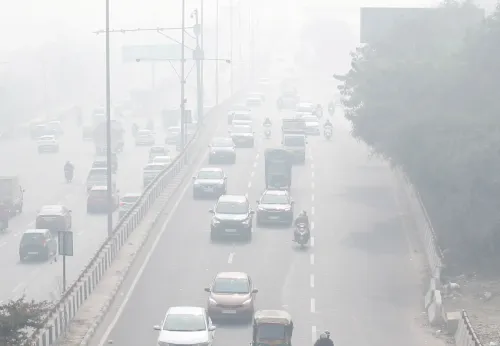
India's vehicle fleet spans a wide emissions spectrum, from near-zero-emission BS-VI vehicles to heavily polluting pre-BS-IV stock still in circulation. The proposed tiered PUCC framework attempts to rationalise compliance by aligning testing frequency with actual pollution risk — a departure from the current one-size-fits-all approach. Notably, this comes amid growing pressure on Indian cities to meet air quality standards, with vehicular emissions consistently identified as a primary contributor to urban pollution.
The draft notification is open for public comment before any final rules are notified. Industry stakeholders and environmental groups are expected to weigh in on both the relief offered to BS-VI owners and the enforcement capacity required to implement quarterly checks on the oldest vehicle categories.
Point of View
But its credibility hinges entirely on enforcement — an area where India's transport compliance machinery has historically struggled. Quarterly checks on BS-I to BS-III vehicles sound rigorous on paper, but without digitised testing infrastructure and real-time verification, they risk becoming a paperwork exercise. The relief for BS-VI owners is well-founded given their vehicles' demonstrably lower emissions, yet the draft says nothing about how the Centre plans to phase out or restrict the oldest, most polluting stock. Easing compliance for new vehicles while merely testing older ones more often is not a pollution strategy — it is half of one.
NationPress
27 Jul 2026
Frequently Asked Questions
What is the proposed new PUCC validity for BS-VI private vehicles?
Under MoRTH's draft notification, BS-VI private vehicles up to 6 years old would receive a PUCC validity of 3 years, extended from the current 1-year requirement. Vehicles between 6 and 10 years old would need annual renewal, and those above 10 years would require renewal every 6 months.
How do the new PUCC rules affect BS-IV vehicle owners?
BS-IV vehicle owners would face stricter compliance under the proposed rules, with PUCC renewal required every 6 months instead of the current one year. This reflects the higher emission levels of BS-IV vehicles compared to the newer BS-VI standard.
What happens to BS-I, BS-II, and BS-III vehicles under the draft rules?
Vehicles conforming to BS-I, BS-II, or BS-III emission standards would be required to renew their Pollution Under Control Certificate every 3 months. MoRTH has proposed this frequency to strictly monitor the significantly higher tailpipe emissions from these older vehicles.
What is the difference between BS-IV and BS-VI fuel?
BS-VI fuel has a maximum sulphur content of 10 parts per million (ppm), compared to 50 ppm in BS-IV fuel. India moved directly from BS-IV to BS-VI in April 2020, skipping BS-V, to accelerate vehicular pollution control.
Are these PUCC changes final or still under review?
The new PUCC validity rules are currently at the draft notification stage and are not yet final. The draft is open for public and stakeholder comment before MoRTH notifies the rules officially.