CM Fadnavis Chairs Rajya Marathi Vikas Sanstha Meet in Mumbai
Synopsis
Maharashtra Chief Minister Devendra Fadnavis chaired the Rajya Marathi Vikas Sanstha governing body meeting in Mumbai on 20 July 2026, directing a concrete action plan for Marathi language promotion, dialect preservation, school reading initiatives, Modi Script digitisation, and expediting the London Global Marathi Centre named after Chhatrapati Shivaji Maharaj.
Key Takeaways
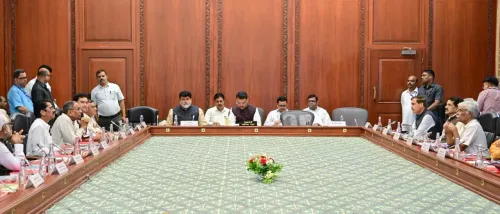
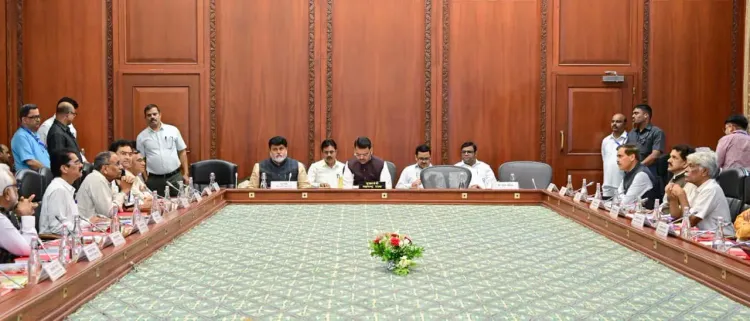
CM Devendra Fadnavis chaired the Rajya Marathi Vikas Sanstha Governing Body meeting at Sahyadri Guest House, Mumbai on 20 July 2026 .
Directed preparation of an effective action plan and advance scheduling of all statutory meetings for transparency and continuity.
Members proposed expanding Pustakanche Gaon and Peti Vachanalaya to tribal and border-area schools, and a theatre complex in Gadchiroli–Wadsa for Zadiboli dialect and Eastern Vidarbha theatre preservation.
Digitisation of nearly 15 lakh historical Modi Script documents from Thanjavur was reviewed and progress noted.
Fadnavis directed that work on the Global Marathi Centre in London , named after Chhatrapati Shivaji Maharaj , be expedited.
Pending employee issues of the Sanstha were assured to be resolved with a positive approach.
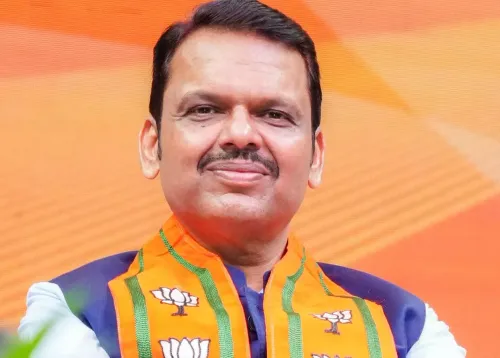
Maharashtra Chief Minister Devendra Fadnavis chaired a meeting of the Governing Body of the Rajya Marathi Vikas Sanstha at Sahyadri Guest House in Mumbai on Monday, 20 July 2026, directing the organisation to finalise an effective action plan and ensure continuity, transparency, and accountability in its functioning.
Context
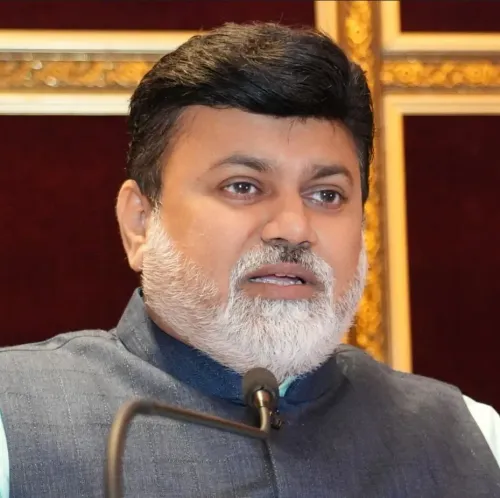
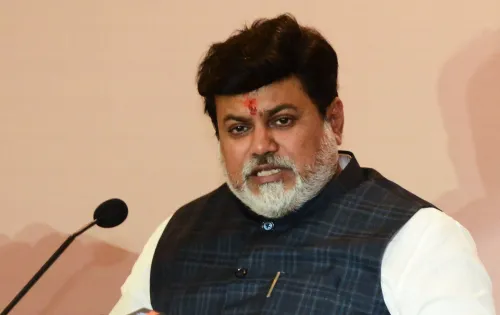
The Rajya Marathi Vikas Sanstha is the Maharashtra government's statutory body responsible for the development, research, and promotion of the Marathi language and its literary traditions. The meeting brought together Minister Uday Samant, President of the Maharashtra Rajya Sahitya and Sankruti Mandal, veteran litterateur Prof. Sadanand More, Director of the Sanstha Dr. Shamkant Devare, and senior officials. Fadnavis stressed that the schedule for all statutory meetings must be finalised in advance to prevent lapses in governance of the body.
The Chief Minister also assured that pending issues concerning the Sanstha's employees would be resolved with a 'positive approach', signalling attention to the organisation's internal administrative health alongside its cultural mandate.
Policy Backdrop
Maharashtra was formed in 1960 with Marathi as its sole official language, embedding a long-standing state commitment to linguistic preservation. Successive governments have pursued regional-language promotion through statutory bodies, school programmes, and heritage-digitisation projects. The current administration's emphasis continues this pattern while extending it to international projection of Marathi identity.
Among the concrete proposals discussed, members suggested expanding initiatives like 'Pustakanche Gaon' (Village of Books) and 'Peti Vachanalaya' (Box Libraries) to schools in tribal and border areas. Preservation of the Zadiboli dialect and Eastern Vidarbha's theatre tradition through a proposed theatre complex in Gadchiroli–Wadsa was also raised, along with protecting Marathi heritage through folk forms such as Bharud, Gondhal, and Powada, and promoting children's literature and libraries. Fadnavis assured that all these suggestions would be considered positively.
The meeting also reviewed progress on the digitisation of nearly 15 lakh historical documents written in the Modi Script held at Thanjavur in Tamil Nadu — a repository of significant archival value to Marathi literary history. The Chief Minister emphasised that work on the proposed Global Marathi Centre in London, to be named after Chhatrapati Shivaji Maharaj, must be expedited.
Stakeholders and Impact
The decisions and directions from this meeting are likely to affect a wide range of stakeholders: the Marathi literary community, researchers working on historical scripts and dialects, students in tribal and border-area schools, and the Marathi diaspora abroad. Proposals to bring reading initiatives into schools in underserved regions address both linguistic outreach and educational equity.
The proposed theatre complex in Gadchiroli — a district historically associated with socio-economic challenges — would serve as both a cultural infrastructure investment and a recognition of the region's distinct theatrical heritage. Preservation of dialects such as Zadiboli reflects a broader acknowledgement that Marathi's vitality depends on sustaining its regional variants, not just its standardised form.
What's Next
The immediate priority, as directed by the Chief Minister, is the preparation and implementation of a formal action plan by the Rajya Marathi Vikas Sanstha, with statutory meeting schedules to be locked in advance. The progress of the 15-lakh-document Modi Script digitisation project and any state budget allocations or cabinet approvals for the London Global Marathi Centre will be key developments to watch. The resolution of employee-related pending issues within the Sanstha is also expected to be addressed in the near term, potentially improving the body's operational capacity for the cultural agenda ahead.
Point of View
Not merely a bureaucratic routine. The twin emphasis on domestic dialect preservation — particularly in tribal and border districts — and an overseas cultural centre in London reflects a dual-track strategy of consolidating the linguistic base at home while projecting Marathi identity globally. Coming ahead of potential budget cycles, the directive to finalise action plans and statutory schedules suggests the administration wants institutional accountability in place before committing fresh funds. The focus on folk forms like Bharud, Gondhal, and Powada also positions the government as a guardian of intangible cultural heritage, a politically resonant posture in a state where Marathi pride is a significant electoral and civic force.
NationPress
21 Jul 2026
Frequently Asked Questions
What is the Rajya Marathi Vikas Sanstha?
The Rajya Marathi Vikas Sanstha is a Maharashtra government statutory body established to develop, research, and promote the Marathi language and its literary traditions. It operates under the state's cultural and language policy framework and holds regular governing body meetings to oversee its programmes.
What is the Global Marathi Centre in London?
The Global Marathi Centre is a proposed cultural institution in London to be named after Chhatrapati Shivaji Maharaj , the 17th-century founder of the Maratha Empire. It is intended to promote Marathi language and culture among the diaspora and internationally. CM Fadnavis directed that work on the centre be expedited at the 20 July 2026 meeting.
What are the Modi Script documents from Thanjavur?
Thanjavur in Tamil Nadu holds a large collection of historical Marathi documents written in the Modi Script, an older cursive script used for Marathi before the Devanagari script became standard. Nearly 15 lakh such documents are being digitised as part of a Maharashtra government heritage preservation initiative reviewed at the meeting.
What is Pustakanche Gaon and Peti Vachanalaya?
'Pustakanche Gaon' means 'Village of Books' and 'Peti Vachanalaya' refers to 'Box Libraries' — both are Marathi reading promotion initiatives. Members at the Rajya Marathi Vikas Sanstha meeting suggested expanding these schemes to schools in tribal and border areas of Maharashtra to widen access to Marathi literature.
What is the Zadiboli dialect and why is it significant?
Zadiboli is a dialect of Marathi spoken in the forested and tribal regions of Eastern Vidarbha, particularly around Gadchiroli. It is considered a distinct and endangered variant of Marathi. The meeting discussed preserving it through a proposed theatre complex in Gadchiroli–Wadsa that would also support the region's traditional theatrical heritage.