CM Fadnavis visits tribal heritage exhibition in Gadchiroli
Synopsis
On Janjatiya Gaurav Diwas, Maharashtra CM Devendra Fadnavis visited a special exhibition in Gadchiroli showcasing Adivasi religious, social, and cultural traditions, underscoring the state's commitment to tribal heritage recognition.
Key Takeaways
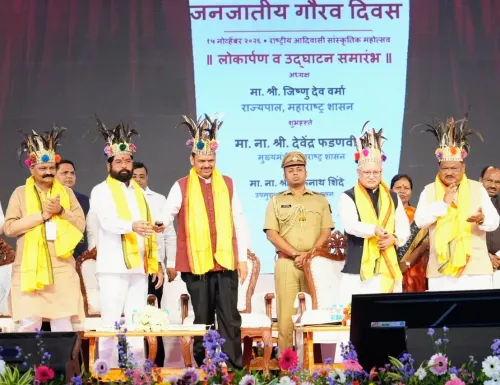
CM Devendra Fadnavis visited a tribal heritage exhibition in Gadchiroli on 15 November 2026 .
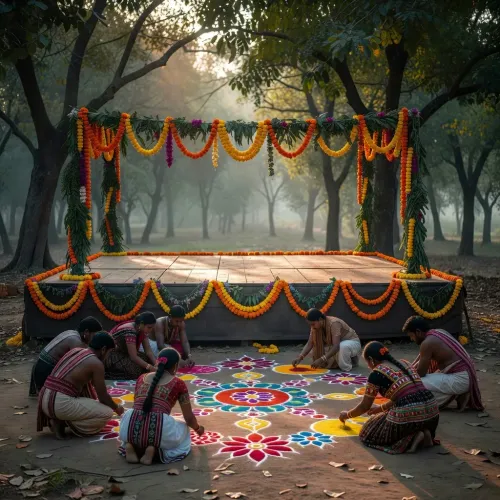
The exhibition displayed Adivasi artworks, traditional artefacts, religious beliefs, and cultural customs.
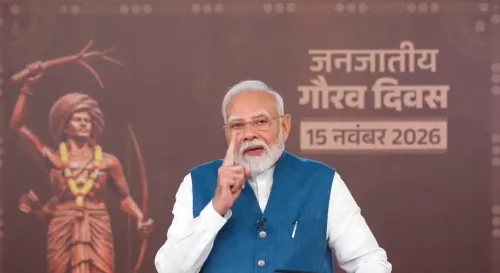
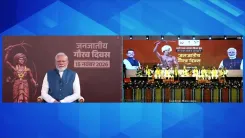
Janjatiya Gaurav Diwas , observed on 15 November , commemorates the birth anniversary of tribal leader Birsa Munda .
The national observance was instituted by the Government of India in 2021 to honour indigenous heritage.
Gadchiroli is one of Maharashtra's most significant Adivasi-majority districts in the eastern region.
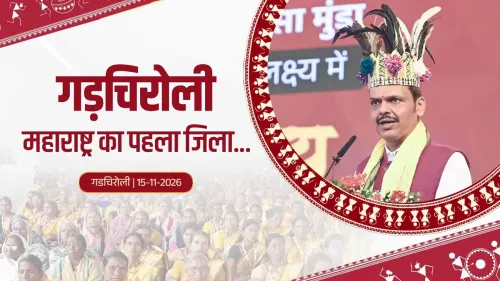
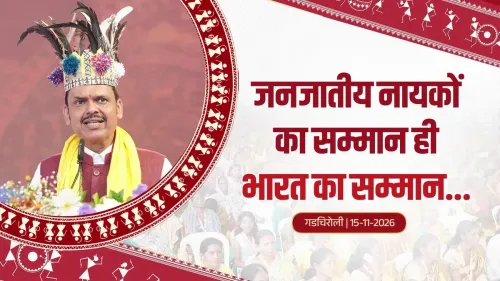
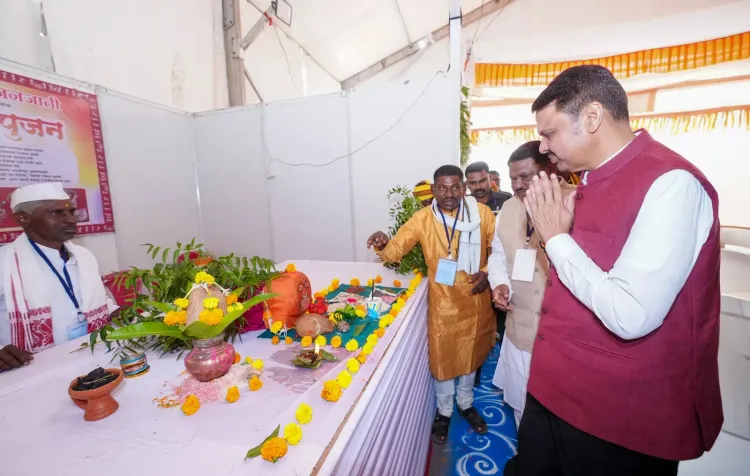
On Janjatiya Gaurav Diwas, 15 November 2026, Maharashtra Chief Minister Devendra Fadnavis travelled to Gadchiroli — the eastern district that sits at the heartland of the state's Adivasi communities — to walk through a special exhibition honouring the religious, social, and cultural traditions of tribal society. The visit, announced by the Chief Minister's Office of Maharashtra, placed the state's highest office squarely inside a living celebration of indigenous heritage on the day India honours Birsa Munda.
What Fadnavis saw on the exhibition floor
The CM spent time studying an array of artworks, traditional artefacts, and objects tied to Adivasi religious beliefs, customs, and cultural identity. The post noted that he took detailed information — 'विविध कलाकृती, पारंपरिक वस्तू' ('diverse artworks and traditional objects') — reflecting an engagement beyond a ceremonial walkthrough. Gadchiroli, with one of Maharashtra's highest concentrations of tribal population, provides a natural backdrop for such a showcase.
Janjatiya Gaurav Diwas and the Birsa Munda legacy
Janjatiya Gaurav Diwas was instituted by the Government of India in 2021 as a national observance each 15 November, the birth anniversary of the revered Adivasi leader Birsa Munda. The day is designed to bring national attention to tribal contributions to India's history, freedom struggle, and living cultural fabric. Maharashtra, with its sizable tribal belt running through districts like Gadchiroli, Nandurbar, and Nashik, has consistently organised or supported cultural events tied to the commemoration.
Gadchiroli as a stage for tribal documentation
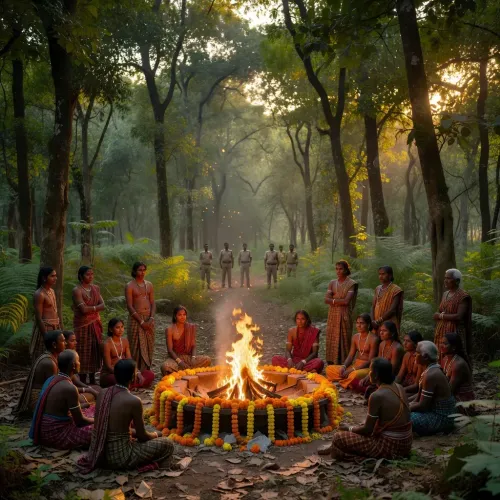
Gadchiroli district in eastern Maharashtra has long been central to conversations about Adivasi identity — a region where communities such as the Gond, Madia, and Halba have preserved centuries-old traditions. State governments have periodically mounted exhibitions and documentation projects here to record and display those practices, creating an archive of living culture. Fadnavis's presence on this specific date ties the state administration's symbolic calendar directly to the national tribal recognition framework.
Point of View
A CM's presence at a cultural showcase also carries a governance subtext: demonstrating normalisation and state investment in community identity. With tribal belt constituencies carrying electoral weight across Maharashtra's eastern flank, the optics of senior leadership engaging with Adivasi heritage on its most prominent national day are unlikely to be coincidental.
NationPress
15 Nov 2026
Frequently Asked Questions
What is Janjatiya Gaurav Diwas and when is it celebrated?
Janjatiya Gaurav Diwas is a national observance held every year on 15 November , the birth anniversary of tribal leader Birsa Munda . It was instituted by the Government of India in 2021 to honour tribal contributions to India's history and culture.
Why did CM Devendra Fadnavis visit Gadchiroli?
CM Devendra Fadnavis visited Gadchiroli on 15 November 2026 to attend a special exhibition showcasing the religious, social, and cultural traditions of the Adivasi community, as part of Janjatiya Gaurav Diwas celebrations.
What is the significance of Gadchiroli for tribal communities?
Gadchiroli is an eastern Maharashtra district with one of the state's highest concentrations of tribal population, home to communities such as the Gond and Madia, and has long been a centre for Adivasi cultural preservation.
Who was Birsa Munda?
Birsa Munda was a revered Adivasi leader and freedom fighter whose birth anniversary on 15 November is commemorated as Janjatiya Gaurav Diwas across India to recognise tribal contributions to the nation's heritage.
What did CM Fadnavis see at the Gadchiroli exhibition?
CM Fadnavis viewed diverse artworks, traditional objects, and displays related to Adivasi religious beliefs, customs, and cultural characteristics at the special exhibition held in Gadchiroli .