CM Fadnavis: Govt, Industry, Civil Society Unite for Drought Farmers
Synopsis
Chief Minister Devendra Fadnavis has called on government, industry, and civil society to jointly support drought-hit farmers in Maharashtra, with Chhatrapati Sambhajinagar in the Marathwada region at the centre of the relief effort.
Key Takeaways
CM Devendra Fadnavis announced a three-pillar — government, industry, civil society — coalition to aid drought-affected farmers in Maharashtra.
The announcement was centred on Chhatrapati Sambhajinagar (formerly Aurangabad) in the historically drought-prone Marathwada region.
Fadnavis has prior form on structural drought response, having launched the Jalyukt Shivar Abhiyan watershed programme in 2015 .
Maharashtra's approach combines corporate CSR, NGO delivery, and state machinery to reach distressed farming communities.
Specific relief packages, participating entities, and disbursement timelines are yet to be officially detailed.
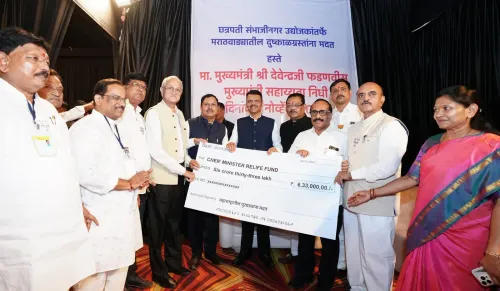
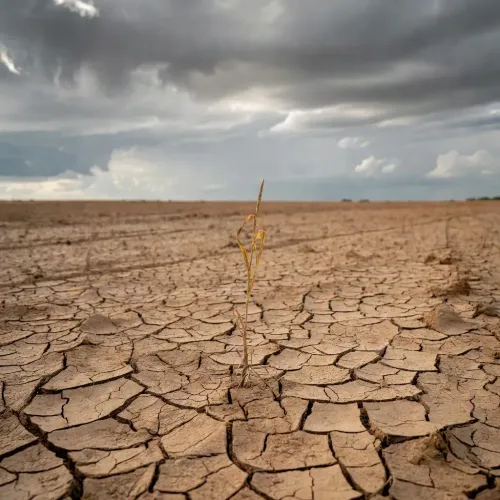
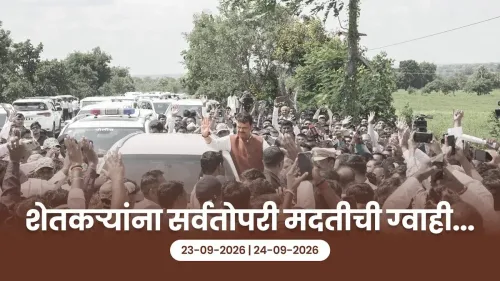
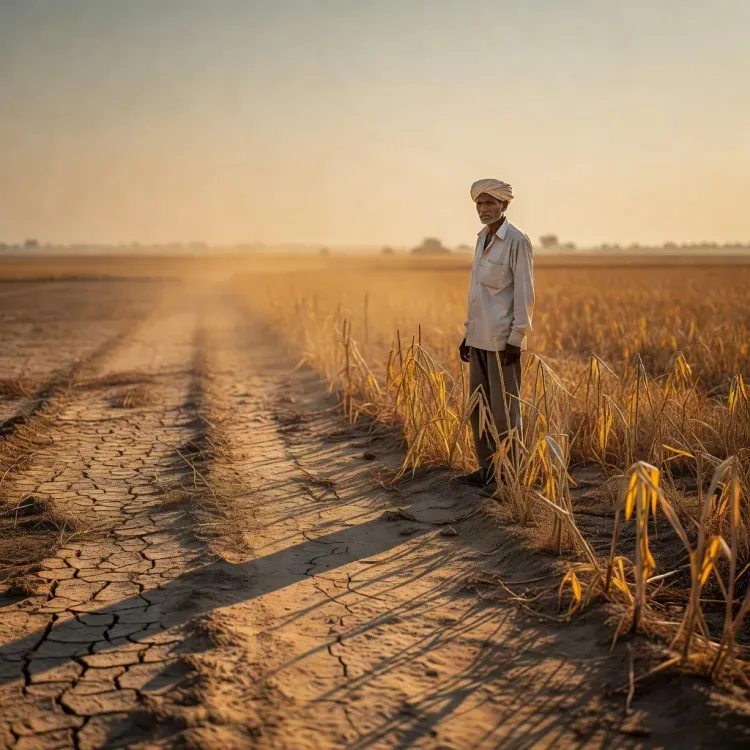
When drought tightens its grip on Marathwada, the fields around Chhatrapati Sambhajinagar are usually the first to crack — and this time, Chief Minister Devendra Fadnavis is signalling that Maharashtra will not leave its farmers to face the crisis alone. On Monday, 2 November 2026, the Chief Minister's Office of Maharashtra posted that government, industry, and civil society are joining hands to support drought-hit farmers across the state.
A three-pillar response takes shape in Marathwada
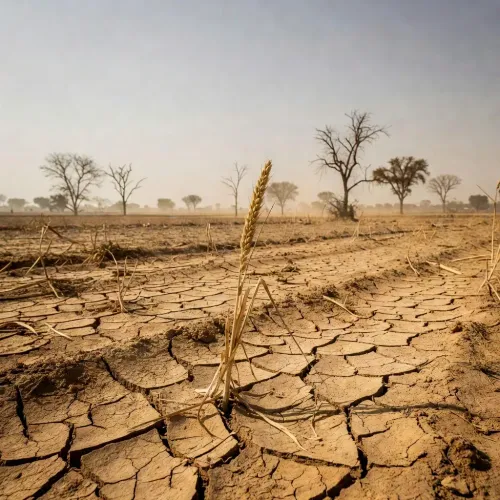
Chhatrapati Sambhajinagar — formerly Aurangabad, the historic heart of the Marathwada region — has been a byword for agrarian distress for decades. The district and the belt surrounding it see erratic monsoons, depleted groundwater, and repeated crop failures that push farmers toward debt. Fadnavis's announcement frames the current response around a convergence rarely attempted at scale: state machinery, corporate resources, and civil-society networks working in concert rather than in parallel silos.
The model is not entirely new for Maharashtra. Back in 2015, Fadnavis had launched the Jalyukt Shivar Abhiyan (watershed and water-conservation mission) specifically to blunt the recurrence of drought in Marathwada and Vidarbha. That programme treated the crisis as a structural problem — not just a seasonal emergency. The current multi-stakeholder call echoes that long-view instinct, even as it likely layers in immediate relief.
Why the industry and civil-society angle matters
Maharashtra has precedent for corporate social responsibility flowing into drought relief — companies channelling funds toward seed kits, fodder banks, and drinking-water tankers in distressed talukas. Civil-society organisations, meanwhile, have historically handled last-mile delivery in villages where state agencies struggle to reach. The explicit naming of all three pillars by the Chief Minister's Office signals an attempt to coordinate these streams rather than let them operate ad hoc.
What remains to be detailed: the specific relief package on the table, which companies or NGOs have committed, and the timeline for disbursement and monitoring. Those specifics will determine whether the announcement translates into measurable relief before the next sowing season.
Fadnavis's long bet on multi-stakeholder drought management
Devendra Fadnavis has consistently pitched Maharashtra's response to agrarian distress as a governance project, not merely a welfare handout — combining immediate input support with irrigation investment and crop diversification. The Marathwada region, which accounts for a disproportionate share of the state's farmer suicides during bad crop years, is the sharpest test of that thesis. A coordinated government-industry-civil-society framework, if it holds, could set a template other drought-prone states watch closely.
Point of View
Shielding the administration from sole accountability if delivery falls short. At the same time, it signals a more mature governance model than cheque-and-announce relief, building on the institutional memory of the Jalyukt Shivar era. Marathwada's chronic drought vulnerability is a litmus test for Maharashtra's rural coalition and a pressure point that has historically shaped state electoral outcomes. How quickly the announced coalition converts into verifiable farmer support will be the real measure of this initiative.
NationPress
2 Nov 2026
Frequently Asked Questions
What has CM Devendra Fadnavis announced for drought-hit farmers in Maharashtra?
CM Fadnavis announced on 2 November 2026 that the Maharashtra government, industry, and civil society are joining hands to provide support to farmers affected by drought, with a focus on the Marathwada region including Chhatrapati Sambhajinagar.
Which region of Maharashtra is most affected by drought in 2026?
The Marathwada region, particularly around Chhatrapati Sambhajinagar (formerly Aurangabad), is the most historically drought-prone area of Maharashtra and is at the centre of the current relief effort.
What was the Jalyukt Shivar Abhiyan launched by Fadnavis?
Jalyukt Shivar Abhiyan was a watershed development and water-conservation programme launched by Devendra Fadnavis in 2015 to structurally address recurring droughts in Marathwada and Vidarbha by improving local water storage and management.
How does Maharashtra involve the private sector in drought relief?
Maharashtra has a precedent of channelling corporate social responsibility funds into drought relief measures such as seed kits, fodder banks, and drinking-water supply, coordinated alongside state agencies and civil-society organisations for last-mile delivery.
What details are still awaited about Maharashtra's drought relief package?
The specific relief amounts, the names of participating companies and NGOs, and the disbursement timeline and monitoring mechanisms announced by the state government are yet to be officially confirmed.