CM Sukhu backs Rahul Gandhi's Delhi rally against SIR
Synopsis
HP CM Sukhvinder Singh Sukhu praised Rahul Gandhi's leadership of a massive New Delhi rally opposing alleged irregularities in the Special Intensive Revision of electoral rolls, noting thousands from Himachal Pradesh joined the protest.
Key Takeaways
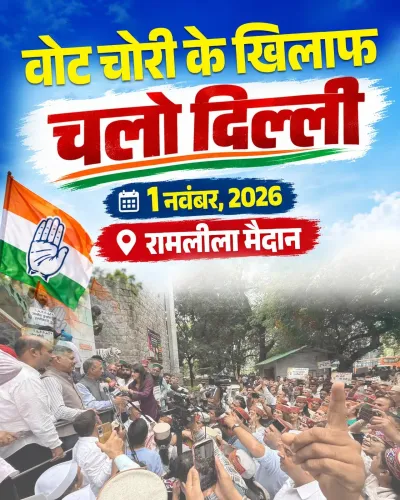
HP Chief Minister Sukhvinder Singh Sukhu publicly backed a large Congress-led rally held in New Delhi on November 1, 2026 .
The rally was directed against alleged rigging through the Special Intensive Revision (SIR) of electoral rolls.
Sukhu credited Rahul Gandhi with leading the charge against the alleged irregularities and said the public has endorsed that fight.
Lakhs of people reportedly attended the Delhi rally, with thousands travelling from Himachal Pradesh specifically.
Sukhu framed opposition protests as a constitutional democratic duty, not mere political activity.
Congress's SIR campaign follows the organisational model of the Bharat Jodo Yatra (2022–2023) , with Gandhi again as the public face.
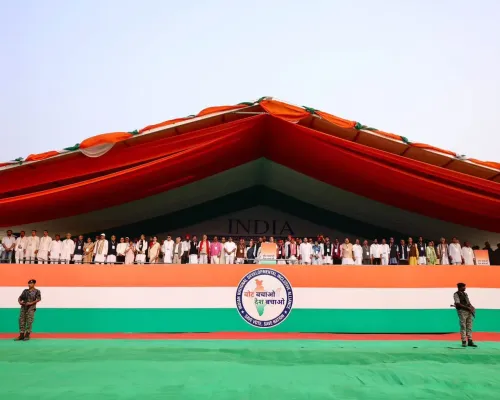
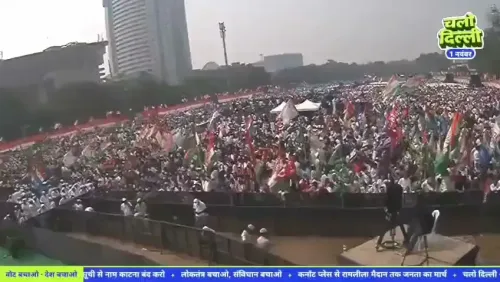
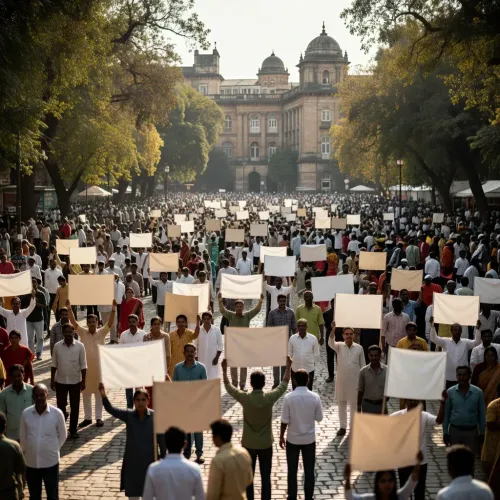
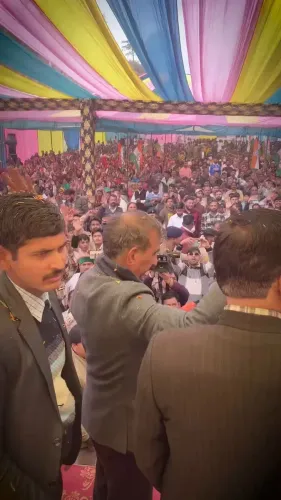
Hundreds of thousands of voices echoed through New Delhi on Sunday, November 1, 2026 — and Himachal Pradesh Chief Minister Sukhvinder Singh Sukhu wants the country to hear every one of them. Sukhu credited Congress leader Rahul Gandhi with spearheading opposition to what he called irregularities being carried out through the Special Intensive Revision (SIR) process, saying the public's endorsement of that fight was a source of pride.
Posting in Hindi on November 2, 2026, Sukhu wrote: 'हमारे माननीय नेता राहुल गांधी जी SIR के माध्यम से हो रही धांधली को रोकने की कोशिश कर रहे हैं' — 'Our respected leader Rahul Gandhi is trying to stop the rigging being carried out through SIR.' He added that the opposition's core job is to amplify the people's voice, and that rallies and movements are the democratic instrument for exactly that purpose.
A rally in New Delhi, thousands from Himachal Pradesh
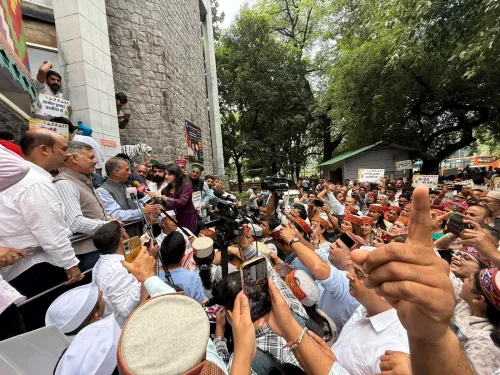
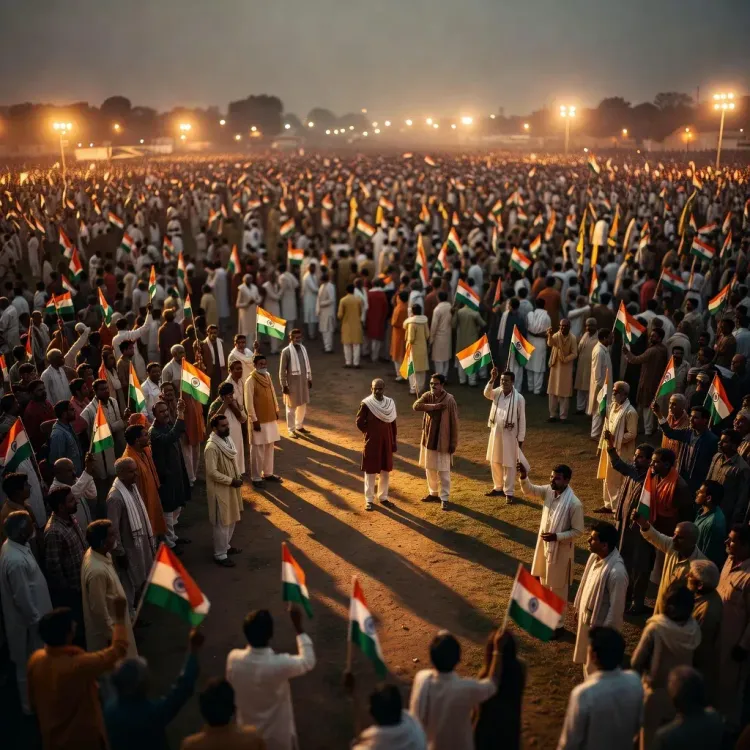
Sukhu described the New Delhi event as 'bahut badi rally' — a very large rally — drawing lakhs of participants in total. He specifically highlighted that thousands of people from Himachal Pradesh made the journey to the national capital to join the demonstration, signalling that the movement had significant grassroots mobilisation beyond Delhi's own Congress base.
The participation figure from a hill state that regularly sees difficult travel conditions underscores the organisational reach the party is projecting. Himachal Pradesh has been under Congress rule since December 2022, with Sukhu at the helm — making his public endorsement of a national-level protest both a party signal and a governing statement.
Rahul Gandhi, the Bharat Jodo inheritance, and the SIR dispute
Rahul Gandhi's positioning as the face of the protest fits a pattern established by the Bharat Jodo Yatra of 2022–2023, a cross-country march that framed democratic health and social harmony as existential concerns. That campaign built Gandhi's image as an on-the-ground opposition leader willing to invest personal political capital in street-level mobilisation. The current SIR controversy follows the same script: Congress alleges the Special Intensive Revision of electoral rolls is being used to manipulate voter lists ahead of upcoming elections, a charge the party has brought to both parliamentary forums and now the streets.
Indian opposition parties have long used mass Delhi rallies as a dual-purpose tool — simultaneously applying pressure on the ruling establishment and energising state-level cadre before electoral cycles. The 2026 edition, with Sukhu's amplification from a Congress-governed state, is the latest chapter in that tradition.
What this moment signals for Congress's electoral strategy
Sukhu's framing is deliberate: by tying the rally to the health of democracy itself — 'yahi loktantra ki visheshta hai', 'this is the very essence of democracy' — Congress is working to elevate a procedural dispute over voter rolls into a first-principles argument. Whether parliamentary follow-up and state-level protests sustain that narrative in the coming weeks will determine whether the rally becomes a turning point or a single news cycle.
The streets have spoken loudly. The question now is whether Parliament echoes them.
Point of View
Congress is attempting to nationalise a technical voter-roll controversy. The emphasis on Himachal Pradesh's participation is also a message to state cadres that the ruling party in Shimla is aligned with the national opposition line. With election cycles perpetually on the horizon in India's multi-state calendar, the SIR fight could serve as the connective tissue between Congress's 2022–2023 Bharat Jodo narrative and its next major electoral push. The durability of this issue will depend entirely on whether parliamentary interventions and sustained street presence keep it in the public eye.
NationPress
2 Nov 2026
Frequently Asked Questions
What is SIR and why is Congress protesting it?
SIR stands for Special Intensive Revision, a process to update electoral rolls. Congress alleges it is being used to manipulate voter lists and is demanding it be stopped or reviewed.
What did CM Sukhu say about the New Delhi rally?
CM Sukhu said the New Delhi rally was very large, drawing lakhs of participants, and praised Rahul Gandhi for leading the fight against alleged SIR irregularities. He also noted that thousands from Himachal Pradesh attended.
How many people attended the Congress rally in Delhi on November 1, 2026?
CM Sukhu stated that 'lakhs' of people attended. An independent verification of the exact figure is not available.
What is Rahul Gandhi's history of leading public protests?
Rahul Gandhi led the Bharat Jodo Yatra in 2022–2023, a cross-country march highlighting concerns about social harmony and democratic erosion, which established his profile as a street-level opposition leader.
Is Himachal Pradesh a Congress-ruled state?
Yes. The Indian National Congress has governed Himachal Pradesh since December 2022, with Sukhvinder Singh Sukhu serving as Chief Minister.