CM Fadnavis Hails ₹62,370 Cr Rabi Fertiliser Subsidy for Farmers
Synopsis
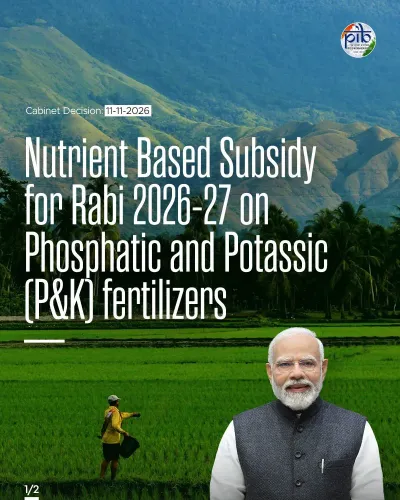
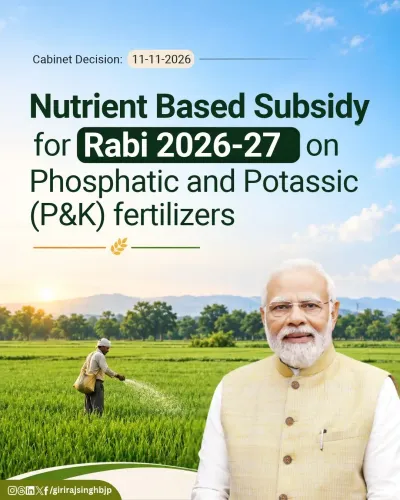
Maharashtra CM Devendra Fadnavis welcomed the central cabinet's approval of ₹62,370.02 crore in Nutrient Based Subsidy for rabi 2026-27, shielding farmers from global fertiliser price spikes on DAP and NPKS compounds.
Key Takeaways
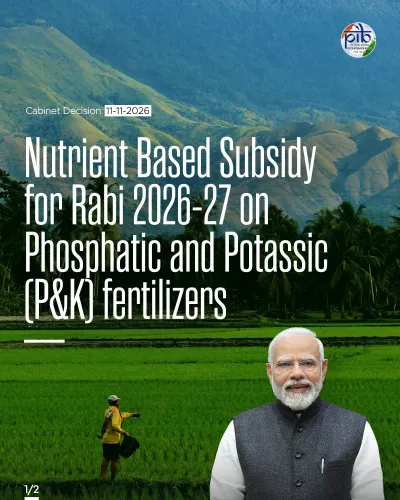
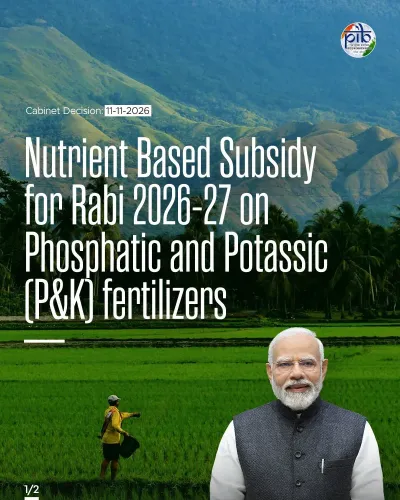
The Union Cabinet approved approximately ₹62,370.02 crore in Nutrient Based Subsidy (NBS) for the rabi 2026-27 season.
The subsidy covers all P&K fertilisers, including DAP and NPKS , ensuring affordable prices for farmers despite global price rises.
The NBS scheme has been operational since April 2010 , replacing an older concession regime for decontrolled phosphorus and potassium fertilisers.
Maharashtra CM Devendra Fadnavis publicly credited PM Narendra Modi for the decision and highlighted its benefit for state farmers.
The announcement is timed ahead of the peak rabi sowing window (October–December), when farmers commit to input purchases.
Key watch-point: ground-level distribution of subsidised stocks before the sowing deadline and any mid-season revisions if global prices shift further.
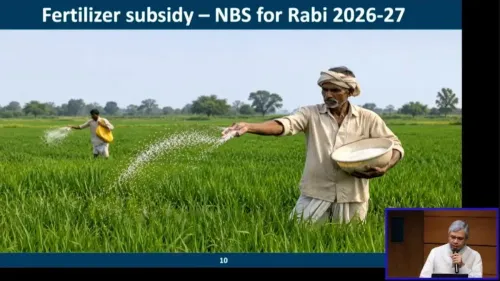
When global fertiliser markets spike, it is usually the Indian farmer who quietly absorbs the blow. Not this rabi season. Maharashtra Chief Minister Devendra Fadnavis on Wednesday, November 11, 2026, welcomed a landmark central cabinet decision to approve approximately ₹62,370.02 crore in Nutrient Based Subsidy (NBS) for the rabi 2026-27 sowing season — a move explicitly designed to ensure that surging international fertiliser prices do not reach the farm gate.
What the ₹62,370 Crore Cabinet Call Actually Does
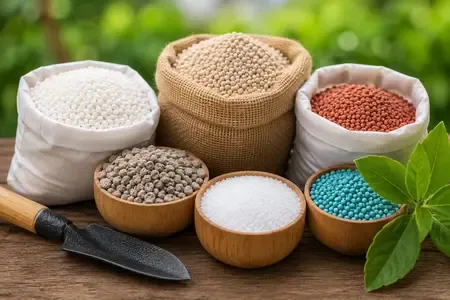
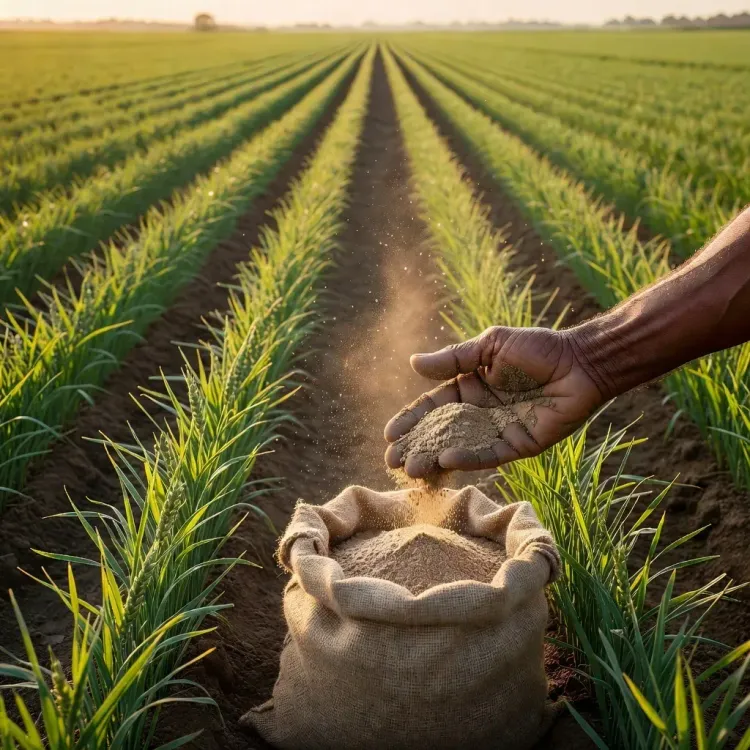
The NBS framework subsidises phosphorus (P) and potassium (K) fertilisers — including the widely used DAP (Di-Ammonium Phosphate) and NPKS compounds — which were decontrolled from the older concession regime when the scheme was first introduced in April 2010. Under NBS, the government fixes a per-nutrient subsidy rate each season, and manufacturers sell to farmers at prices significantly below the open-market cost.
This season's approval, cleared under Prime Minister Narendra Modi's cabinet, ensures that all P&K fertilisers remain 'at extremely affordable and reasonable prices,' as CM Fadnavis put it in Marathi: 'अत्यंत परवडणाऱ्या व रास्त दरांत' — meaning 'at very affordable and fair rates'. The scale of the outlay signals that the Centre is absorbing a substantial share of the global price spike rather than passing it downstream.
Why Global Markets Made This Decision Urgent
International fertiliser prices have been volatile for several years, rattled by supply-chain disruptions and geopolitical pressures on key exporter nations. For a country where rabi crops — wheat, mustard, chickpea — are sown between October and December and cover tens of millions of hectares, the timing of a subsidy announcement matters enormously. Farmers commit to their input purchases precisely during this window.
Successive governments have leaned on the NBS mechanism as a buffer, but the quantum approved for rabi 2026-27 underscores how acute the current global pricing pressure is. The NBS model also carries a secondary goal: by pegging subsidies to nutrients rather than to specific products, it nudges farmers toward balanced fertilisation rather than over-reliance on urea alone.
Maharashtra's Stake in the Rabi Subsidy
As Chief Minister of one of India's largest agricultural states, Fadnavis framed the announcement squarely through the lens of farmer welfare — a politically resonant theme in Maharashtra, where agrarian distress has historically shaped electoral outcomes. By amplifying the cabinet decision on X and tagging @narendramodi, he was both crediting the Centre and signalling to the state's farming communities that relief is arriving before sowing peaks.
The immediate watch-point is distribution: whether subsidised DAP and NPKS stocks reach retailers in rural Maharashtra — and across other rabi-growing states — before the sowing window closes. Any mid-season revision if global prices shift further will be the next policy signal to track.
Half a trillion rupees standing between Indian farmers and a global price shock. That is the bet the cabinet has placed — and the rabi harvest will be the verdict.
Point of View
However, is notably large, reflecting the severity of current global fertiliser price volatility. For CM Fadnavis, amplifying the decision serves a dual purpose: it burnishes his government's farmer-welfare credentials in Maharashtra and reinforces the BJP's broader 'Modi guarantees for agriculture' narrative ahead of any state-level political contests. The structural question the NBS mechanism still leaves open is whether targeted, nutrient-linked subsidies are nudging actual farm behaviour toward balanced fertilisation, or whether the fiscal weight is simply being reshuffled without changing the urea-dependency on the ground.
NationPress
11 Nov 2026
Frequently Asked Questions
What is the Nutrient Based Subsidy (NBS) scheme?
The Nutrient Based Subsidy scheme, introduced in April 2010, provides government subsidies on phosphorus and potassium (P&K) fertilisers such as DAP and NPKS. It replaced the earlier concession regime and links the subsidy to specific nutrients rather than to product brands, aiming to encourage balanced fertilisation.
How much subsidy did the cabinet approve for rabi 2026-27?
The Union Cabinet approved approximately ₹62,370.02 crore in Nutrient Based Subsidy for the rabi 2026-27 season, as highlighted by Maharashtra CM Devendra Fadnavis on November 11, 2026.
Which fertilisers are covered under this subsidy?
All P&K (phosphorus and potassium) fertilisers are covered, including DAP (Di-Ammonium Phosphate) and NPKS compounds. Urea is handled under a separate pricing mechanism and is not part of the NBS scheme.
Why is rabi season fertiliser subsidy announced in November?
Rabi crops — wheat, mustard, chickpea — are sown between October and December. Farmers commit to purchasing inputs during this window, so a timely subsidy announcement ensures affordable fertiliser is available precisely when demand peaks.
What impact does this subsidy have on Maharashtra farmers?
The subsidy ensures that DAP and NPKS fertilisers are available at affordable prices in Maharashtra despite global price increases. CM Fadnavis welcomed the decision as a direct relief measure for the state's farming communities ahead of the rabi 2026-27 sowing season.